

Samsung Acquires Xealth To Merge Hospital Records With Data From Wearables
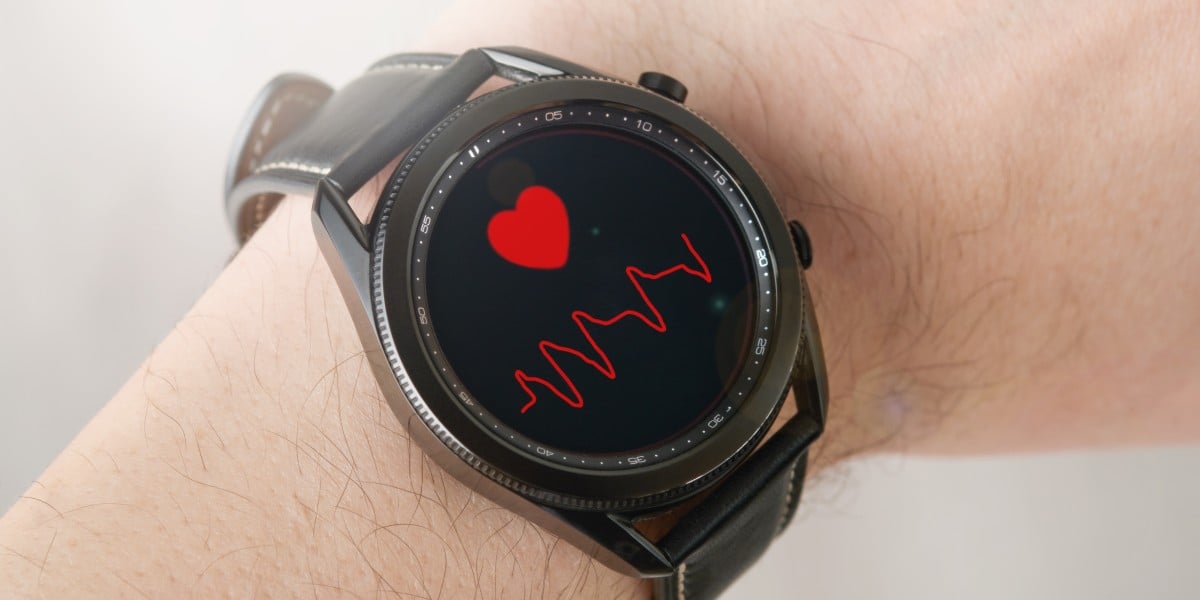
Samsung has acquired US company Xealth to combine data drawn from its wearable devices and hospital records.
Xealth promises to make life easier for medicos by providing a platform that lets them access patient information from multiple systems in a single electronic health record. The Seattle company launched in 2017.
Samsung’s announcement of the acquisition laments the fact that “customer health data measured on wellness tools, which keep track of one’s wellness journey every day, and clinical records at hospitals are managed separately, leading to missed insights and delayed care.”
The Korean giant also notes that it has packed its wearables full of sensors that measure users’ health, and suggests “synergy between Samsung’s advanced wearable technology and Xealth’s digital health platform can create a link between home health monitoring and clinical decision-making.”
Neither party to the deal has discussed how much money will change hands to make it happen, but both are excited that the combined companies can deliver useful health services.
A canned quote from Xealth CEO Mike McSherry states “Customer health data from wearables can fill in context that is missing to hospitals and bring more data analysis possibilities that were not available just with clinical records.”
Samsung’s announcement states the combined companies “will provide a seamless experience across wellness and medical care and bring hyper-personalized, preventative care to people.”
- Samsung predicts profit slump as its HBM3e apparently continues to underwhelm Nvidia
- China’s trying to slim down, which will fatten the smartwatch market
- Sergey Brin promises next generation of Glassholes will be much less conspicuous
- Samsung admits Galaxy devices can leak passwords through clipboard wormhole
Samsung didn’t mention how it will ensure privacy or security once its wearables exchange data with Xealth, but earlier this week did announce enhanced security for AI apps on its Galaxy smartphones, including automatically signing users out of their Samsung accounts if analysis suggests a device has become a source of unusually high risk. If Samsung can bring that functionality to its wearables, perhaps users will be more comfortable having their heartbeats sent to hospital.
Manufacturers of wearables have tried to have health authorities certify their products as medical devices that can do things like monitor blood pressure, without much success. They’ve done so because if their machines become part of a healthcare ecosystem there’s the chance millions more will acquire their wearables. Samsung buying Xealth is another expression of that ambition.
Samsung expects the deal to close in 2025. Then comes the wait to see what products the combo spawns. ®
From Chip War To Cloud War: The Next Frontier In Global Tech Competition
The global chip war, characterized by intense competition among nations and corporations for supremacy in semiconductor ... Read more
The High Stakes Of Tech Regulation: Security Risks And Market Dynamics
The influence of tech giants in the global economy continues to grow, raising crucial questions about how to balance sec... Read more
The Tyranny Of Instagram Interiors: Why It's Time To Break Free From Algorithm-Driven Aesthetics
Instagram has become a dominant force in shaping interior design trends, offering a seemingly endless stream of inspirat... Read more
The Data Crunch In AI: Strategies For Sustainability
Exploring solutions to the imminent exhaustion of internet data for AI training.As the artificial intelligence (AI) indu... Read more
Google Abandons Four-Year Effort To Remove Cookies From Chrome Browser
After four years of dedicated effort, Google has decided to abandon its plan to remove third-party cookies from its Chro... Read more
LinkedIn Embraces AI And Gamification To Drive User Engagement And Revenue
In an effort to tackle slowing revenue growth and enhance user engagement, LinkedIn is turning to artificial intelligenc... Read more