

'Cyber Security' Behind Decision To End Defense Satellite Sharing Of Hurricane Data
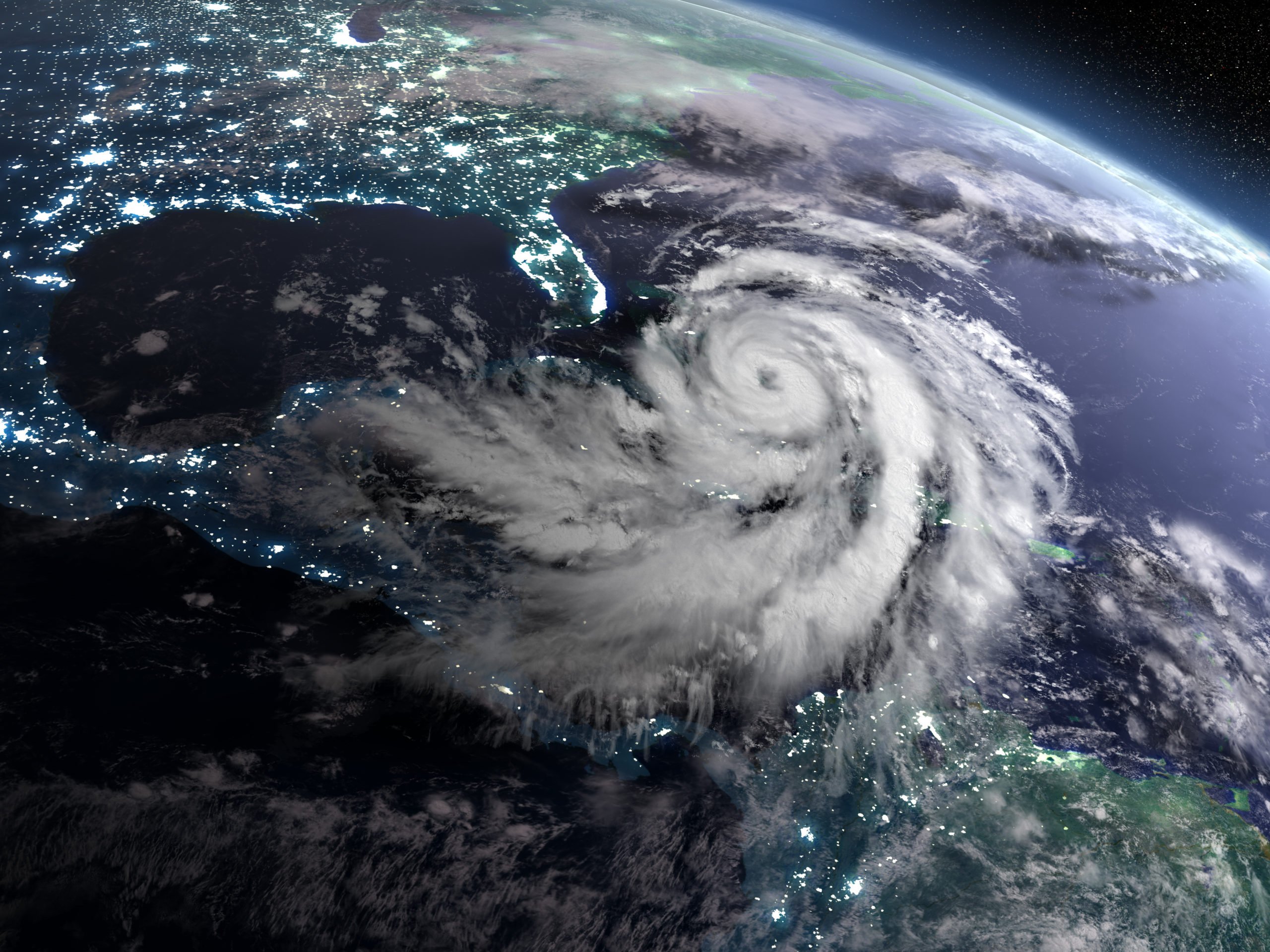
The US defense department satellite service that's cutting off the flow of data used for hurricane forecasting is doing so "to mitigate a significant cybersecurity risk" to government "high performance computing environments."
That's according to the US National Oceanic and Atmospheric Administration (NOAA), which announced on 30 June that it plans to terminate the service no later than the end of July, following a request a request from Karen St Germain, division director of the Earth Science Division.
The service, from the US Defence Meteorological Satellite Program (DMSP), was initially going to be shut off at the end of June, but weather forecasters received a last-minute reprieve.
As well as the decision to postpone the removal and to continue processing and distributing DMSP data until July 31st, the NOAA said the decision was made to end the service "to mitigate a significant cybersecurity risk to the High-Performance Computing environment."
The administration provided no further details.
The decision to end the service was ultimately made by the US Department of Defense (DoD) and affects data collected by the Special Sensor Microwave Imager Sounder (SSMIS) instrument as well as other Near-Earth Space Weather instruments on three of the US Air Force DMSP satellites: F-16, F-17, and F-18.
A fourth satellite, F-19, was also part of the fleet, but failed in 2016. The other three are long past their expected lifespans, yet have continued collecting data.
Some observers had previously suggested that security concerns may have prompted the decision, while others said a general antipathy toward climate science in the current US administration might be behind it.
- US Department of Defense will stop sending critical hurricane satellite data
- Ship abandoned off Alaska after electric cars on board catch fire
- Microsoft-backed AI out-forecasts hurricane experts without crunching the physics
- Los Angeles wildfires force tens of thousands to evacuate, NASA JPL closed
An alternative Weather System Follow-on Microwave (WSF-M) satellite was launched on a SpaceX Falcon 9 in 2024. However, hurricane specialist and storm surge expert Michael Lowry said the data from this system is not currently available to forecasters, and there are as yet no plans to share it.
It is expected that the discontinuation of data from three defense weather satellites will severely impact hurricane forecasts this season and beyond.
The Atlantic hurricane season typically begins in June and lasts until the end of November.
Meanwhile, NOAA's National Hurricane Center (NHC), Google DeepMind, and Google Research have agreed to explore how a new artificial intelligence weather forecast model can be used to improve the forecasting of hurricanes and other hazardous tropical weather. ®
From Chip War To Cloud War: The Next Frontier In Global Tech Competition
The global chip war, characterized by intense competition among nations and corporations for supremacy in semiconductor ... Read more
The High Stakes Of Tech Regulation: Security Risks And Market Dynamics
The influence of tech giants in the global economy continues to grow, raising crucial questions about how to balance sec... Read more
The Tyranny Of Instagram Interiors: Why It's Time To Break Free From Algorithm-Driven Aesthetics
Instagram has become a dominant force in shaping interior design trends, offering a seemingly endless stream of inspirat... Read more
The Data Crunch In AI: Strategies For Sustainability
Exploring solutions to the imminent exhaustion of internet data for AI training.As the artificial intelligence (AI) indu... Read more
Google Abandons Four-Year Effort To Remove Cookies From Chrome Browser
After four years of dedicated effort, Google has decided to abandon its plan to remove third-party cookies from its Chro... Read more
LinkedIn Embraces AI And Gamification To Drive User Engagement And Revenue
In an effort to tackle slowing revenue growth and enhance user engagement, LinkedIn is turning to artificial intelligenc... Read more