

CoreWeave's $9B Core Scientific Acquisition Is A Bid For More Power
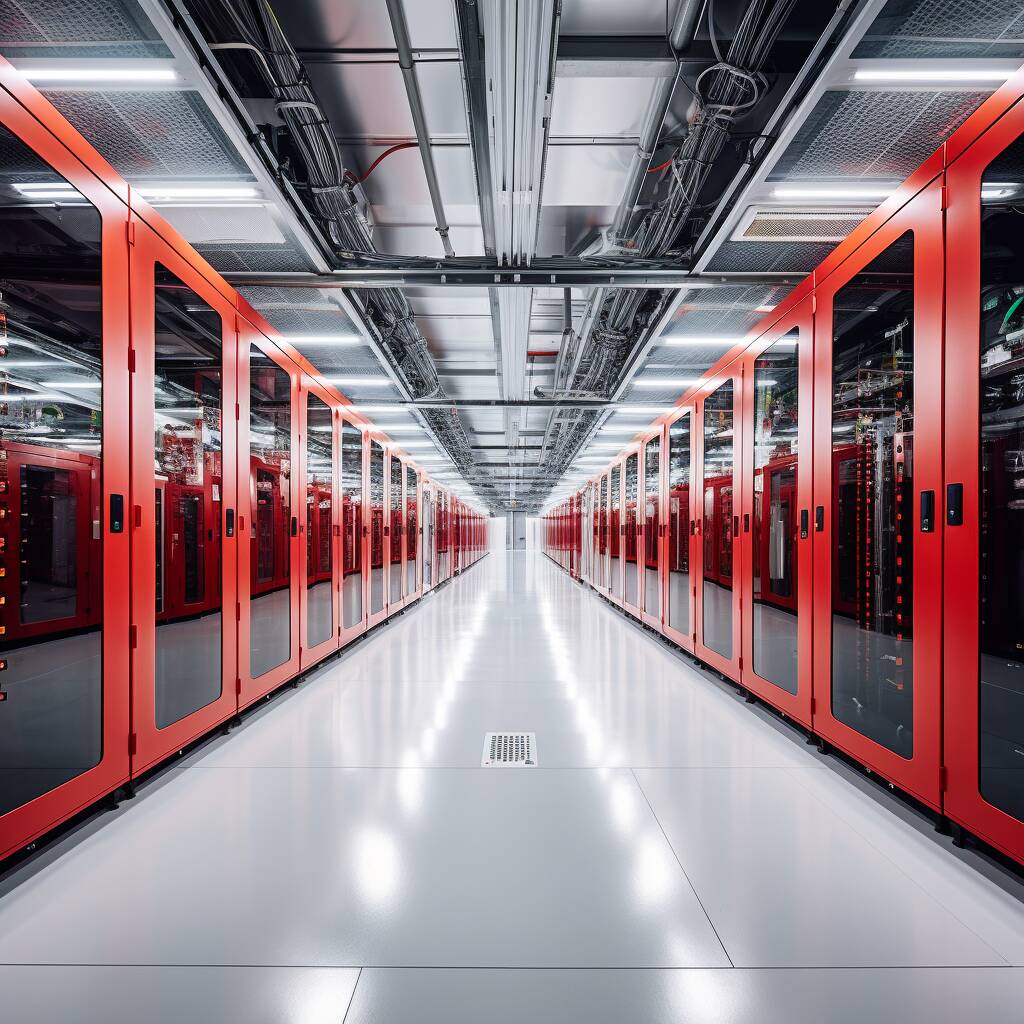
CoreWeave just added 1.3 gigawatts of datacenter capacity to its rent-a-GPU scheme with the $9 billion acquisition of crypto-mining outfit Core Scientific, the companies announced Monday.
Power has become a major constraint for datacenter operators looking to capitalize on the ongoing AI boom. By absorbing Core Scientific, CoreWeave sidesteps this headache while also curbing its reliance on colocation partners.
CoreWeave's business model revolves around leasing massive quantities of Nvidia GPUs acquired in large part through debt financing. However, without datacenters to house all those servers and adequate power to run them, the whole enterprise grinds to a halt.
Core Scientific is a bitcoin mining outfit that's been moonlighting as a high-density colocation provider for a while now. The company has ten datacenters across Alabama, Georgia, Kentucky, North Carolina, North Dakota, Oklahoma, and Texas in various stages of operation and development. Combined, the company boasts 1.3 gigawatts of capacity.
About 500 megawatts of that capacity are currently eaten up by mining rigs. Much of the remaining capacity, meanwhile, was already earmarked for CoreWeave anyway.
As we learned back in February, CoreWeave is one of Core Scientific's largest customers, with leases totaling roughly 590 megawatts — roughly two-thirds of the colo's datacenter capacity.
It remains to be seen whether CoreWeave, which got out of the crypto game in 2022, will repurpose some or all of Core Scientific's capacity dedicated to mining operations for AI datacenters, or divest that portion of the business entirely. Both options are apparently on the table in the "medium-term."
By owning the land and facilities where it parks its GPUs, CoreWeave sees an opportunity to improve its profit margins by eliminating lease overheads. By acquiring the crypto miner, CoreWeave has effectively traded around 10 percent equity in the company for a $10.2 billion discount on its hosting fees and access to an additional gigawatt of future capacity.
- Move over bit barns, here come Japan's floating bit barges
- Amazon built a massive AI supercluster for Anthropic called Project Rainier – here's what we know so far
- With OpenAI, there are no allegiances - just compute at all costs
- CoreWeave may have built a house of (graphics) cards
CoreWeave also argues owning the land under its GPUs opens the door to new forms of financing. As we've previously discussed, CoreWeave's business up to this point has relied on using its fleet of GPUs as collateral for new rounds of debt financing — usually tied to a long-term commitment from the likes of OpenAI, Google, Microsoft and others.
The problem is GPUs aren't exactly an appreciating asset, especially now that their primary source has moved to a yearly release cadence. Real estate by comparison is (usually) an appreciating asset, and it seems CoreWeave intends to leverage that asset to drive down the interest paid on all those loans.
As things stand, CoreWeave expects to plow between $20 and $23 billion into AI datacenters by the end of the 2025 fiscal year to meet growing demand for model builders, cloud providers, and hyperscalers.
In case you're wondering, under the all-stock deal, shareholders will receive 0.1235 Class A shares in CoreWeave for each share of Core Scientific common stock currently held, making for a total transaction price of about $9 billion. ®
From Chip War To Cloud War: The Next Frontier In Global Tech Competition
The global chip war, characterized by intense competition among nations and corporations for supremacy in semiconductor ... Read more
The High Stakes Of Tech Regulation: Security Risks And Market Dynamics
The influence of tech giants in the global economy continues to grow, raising crucial questions about how to balance sec... Read more
The Tyranny Of Instagram Interiors: Why It's Time To Break Free From Algorithm-Driven Aesthetics
Instagram has become a dominant force in shaping interior design trends, offering a seemingly endless stream of inspirat... Read more
The Data Crunch In AI: Strategies For Sustainability
Exploring solutions to the imminent exhaustion of internet data for AI training.As the artificial intelligence (AI) indu... Read more
Google Abandons Four-Year Effort To Remove Cookies From Chrome Browser
After four years of dedicated effort, Google has decided to abandon its plan to remove third-party cookies from its Chro... Read more
LinkedIn Embraces AI And Gamification To Drive User Engagement And Revenue
In an effort to tackle slowing revenue growth and enhance user engagement, LinkedIn is turning to artificial intelligenc... Read more