

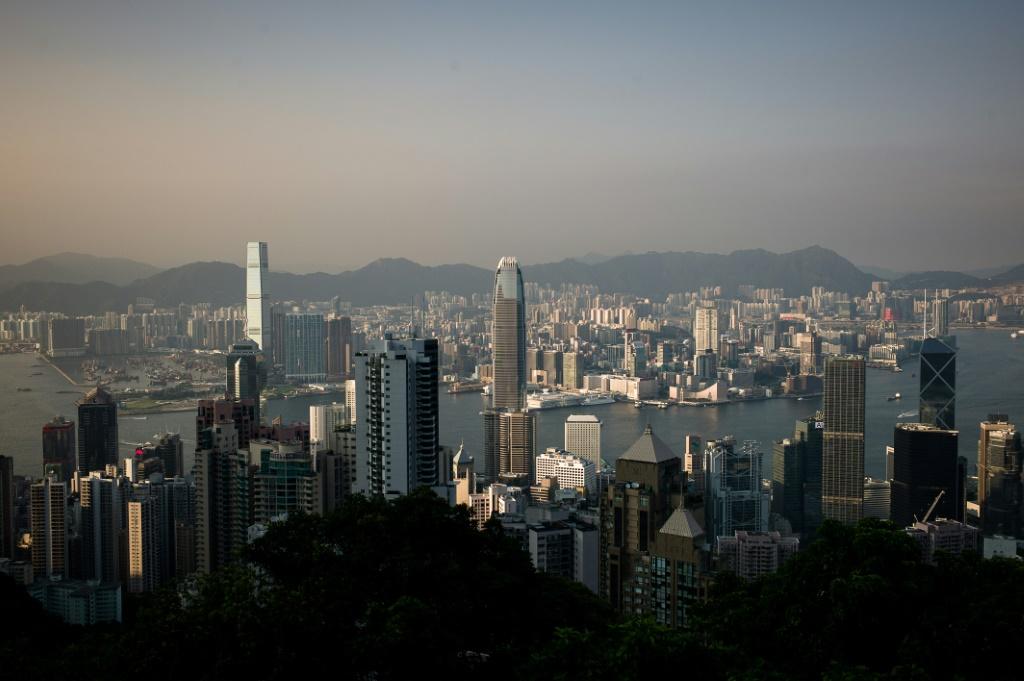
Travel, tourism and property stocks tumbled in Hong Kong on Wednesday as panicked investors fretted over the economic impact of the virus in China that has now killed at least 132 and infected more people than SARS on the mainland.
Dealers returned to trading floors for the first time after the Lunar New Year break and instantly began to sell, joining a global retreat that has wiped more than a trillion dollars off valuations.
The crisis comes just as the city was trying to recover from the impact of the China-US trade war and months of sometimes violent protests that drained confidence in the local economy.
At the end of the morning session, the Hang Seng Index was down more than two percent, though that was an improvement on the first few minutes -- which saw it lose more than three percent -- as traders took heart from a strong lead by Wall Street and Europe.
The outbreak carries echoes of the SARS crisis of 17 years ago, which paralysed regional travel and battered local economies. Chinese tourist numbers then fell by around a third.
The latest outbreak is expected to deal a massive blow to China's already-fragile economy, coming during the Lunar New Year holidays when millions criss-cross the country and spend billions of dollars. It also comes just as data indicated some sort of stability in the economy after a long-running slowdown.
Firms linked to travel and tourism took a beating as big-spending Chinese tourists stayed at home with Beijing clamping down on people's movement.
Macau casino operators, which derive most of their cash from mainland gamblers, tanked.
Sands China dropped almost six percent, while Wynn Macau and Galaxy Entertainment dropped almost five percent apiece.
Among property firms, New World Development retreated almost four percent and Henderson Land was more than two percent lower.
Cathay Pacific Airways, which has its main hub at Hong Kong International Airport, lost close to three percent. The carrier has said it would be "progressively reducing" flights to and from mainland China by at least half from January 30 to the end of March. Air China was also off three percent.
Chinese conglomerate Fosun, which has interests in global travel firms including France's Club Med, lost more than five percent.
"The unpredictability part is the key source of stress in the market," Tommy Xie, at Oversea-Chinese Banking Corp, said: "The next few days to early February will be critical. If we are able to keep cases outside Hubei province low, this means the city lockdown works and may help alleviate the concern."
Energy firms were sharply lower on a drop in oil prices caused by worries that the virus could hit demand in the world's biggest crude consumer.
CNOOC dived 4.5 percent, PetroChina sank 3.8 percent and Sinopec was down 3.4 percent.
- Bloomberg News contributed to this story -
Copyright AFP. All rights reserved.