

 ADVERTISEMENT
A hot start to summer in Europe along with escalating overtourism protests have brought sustainable travel into focus.
Italy has been particularly hard hit with excessive heat and overcrowding in popular destinations like Venice and Lake Como.
According to UN Tourism, Italy hosted more than 63 million international tourists in 2019, making it one of the most visited countries on the planet. Tourism accounts for about 13 per cent of Italy’s GDP, a not insignificant chunk of the country’s national economy.
As awareness grows, many tourists are focusing on how they can have a positive impact on the environment, economy and society while supporting local culture and traditions.
“Slow tourism travels fast,” says Italy’s Ministry of Tourism. “Promoting it means taking care of the present and, above all, the future of the sector. This segment is not merely a growing trend but has also become a strategic pillar of tourism development for Italy.”
In response to the growing interest in sustainable tourism, the Ministry of Tourism earmarked funding to support it. They set aside €19 million for walking trails, €42 million for sustainable tourism, and an additional €33 million for open-air tourism.
Travel Italy sustainably - the slow way
From idyllic coastal towns to mountainous regions, Roman ruins, Venice canals, museums full of classic artwork, inviting vineyards, and regional cuisine at restaurants, Italy overwhelms tourists with an abundance of destination options.
Some overambitious travellers try to experience everything in a limited amount of time, which significantly increases their carbon footprint as they jet all over the country in a frantic attempt to check another spot off their must-see list before they return home.
Making a few adjustments can help you explore Italy in a more eco-friendly way.
Try to use public transport such as trains, buses and ferries instead of planes or rental cars to travel between areas of Italy. FS Treni Turistici Italiani, a slow tourism spinoff of the country's national state-owned railway, has designed a range of train services specifically designed for tourists wanting to see Italy in a greener way.
Active travellers can also venture out on two wheels.
“During my recent trip to Italy, I was determined to explore popular tourist spots more sustainably,” says Bella Bucchiotti, travel blogger at xoxoBella.
“Opting for cycling along the Amalfi Coast and using public transportation in Tuscany not only lessened my environmental impact but also led to unexpected discoveries off the beaten path.”
If you're strapped for time, focus on exploring your region of choice, embracing meaningful, quality experiences over quantity.
Experience Italy from a local's perspective
Along the way, keep your hunger and emissions in check by eating local cuisine. Travelling to Italy and grabbing lunch at McDonald’s or Subway will not support sustainable tourism.
As well as seeking out local restaurants and markets, support the local economy and the livelihood of permanent residents by signing up for community-based tours.
Where you stay also has an impact. The Italian Touring Club awards an Ospitalità Italiana certification to hotels that meet or exceed strict sustainability criteria regarding waste management, energy efficiency and the use of regional products.
“Choosing farm stays in the countryside and supporting local organic markets allowed me to connect with the authentic essence of Italy that I might have missed otherwise,” says Bella.
ADVERTISEMENTHow is Italy promoting sustainable tourism?
Tour company Walks of Italy reports Italy has 55 UNESCO World Heritage Sites, including Rome’s Colosseum and the entire Amalfi Coast. Tourist travel to these sites and other locations in Italy accounts for 5 per cent of Italy’s greenhouse gas emissions, according to the European Environment Agency.
This led to an exploration of more sustainable tourism options to protect the country’s historic sites and natural wonders for future generations.
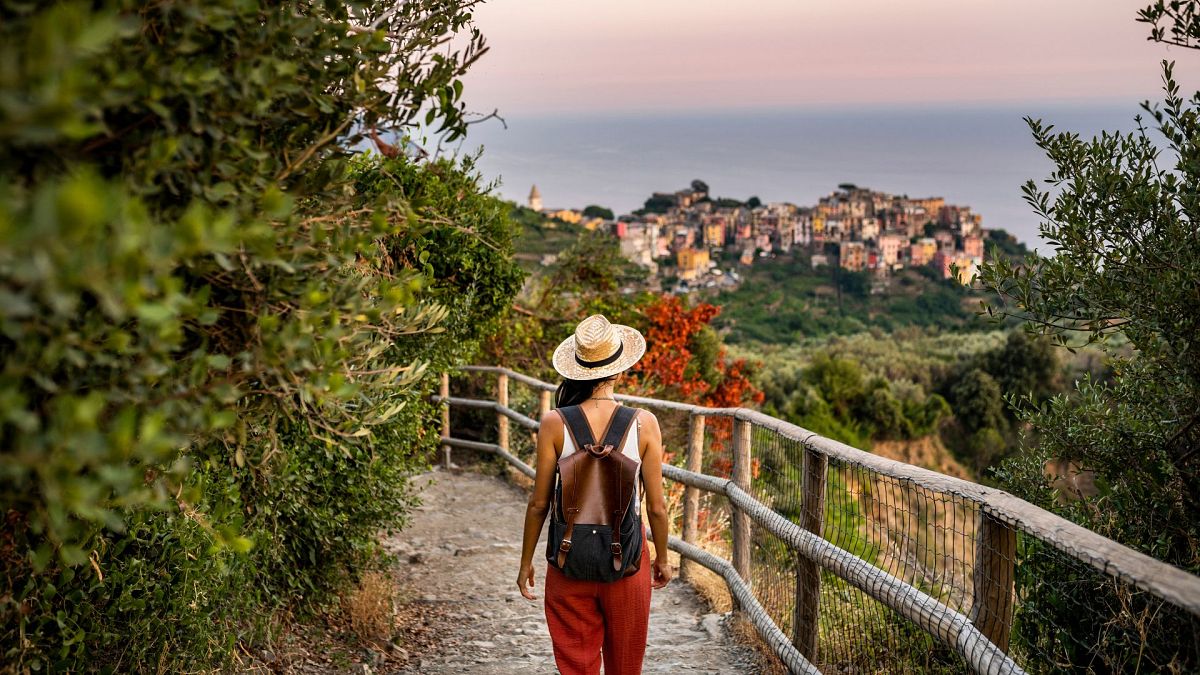
The Italy Green Travel initiative encourages visitors to literally take the road less travelled and explore tucked-away corners of the country. Observe wildlife and Italy’s natural beauty via bicycle or hiking.
Foodies can find plenty of ways to eat their way around Italy sustainably, too. Carlo Petrini started the nonprofit Slow Food organisation in 1989 to promote regional culinary traditions and quality foods. Visitors can seek out Slow Food-approved restaurants.
You can also tour sustainable wineries in Italian cities such as Rome, Venice and Florence that have adopted practices such as water conservation and energy efficiency.
ADVERTISEMENT