

 ADVERTISEMENT
Pensioners in Spain are being given a bonus that many can only dream of.
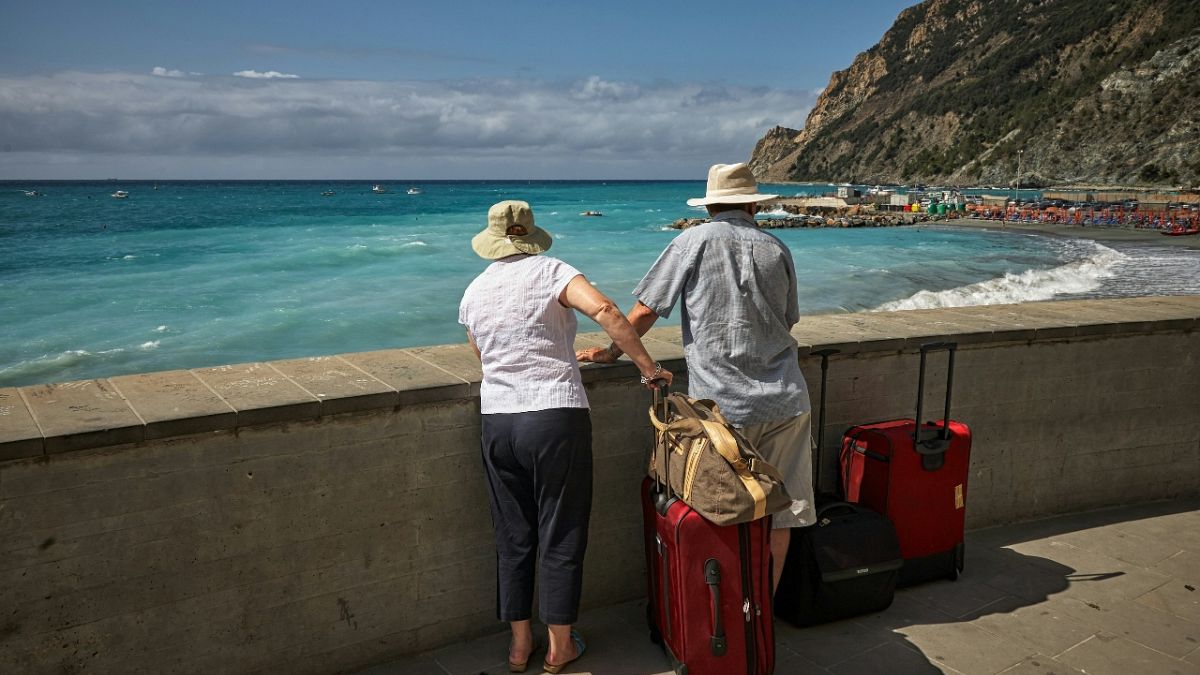
Millions of older adults - both Spanish and foreigners living in Spain - are eligible for heavily subsidised trips, costing as little as €115 for short breaks and €455 for longer holidays.
Launched in 2021 by the Spanish government, it’s been steadily growing in popularity since the post-COVID uptick in travel.
Here’s everything you need to know about the scheme.
What is Spain’s IMSERSO subsidised holidays scheme?
The Institute for the Elderly and Social Services (IMSERSO) is a government agency responsible for managing social services.
One of its top objectives is to facilitate affordable holidays for the elderly in Spain.
The idea is that by helping pensioners to take affordable holidays, their health and quality of life will improve which is, of course, better for social care budgets. It’s hoped their self-sufficiency will increase, too.
The scheme also benefits the economy and the tourism industry. A majority of the subsidised trips are to be taken in the low season - usually between October and June - meaning that more people will be employed in the sector for longer periods of time.
Who is eligible for Spain’s subsidised holidays - and are expats included?
The good news for members of Spain’s large expat community - one of the biggest in Europe - is that it is not just Spanish people who can take advantage of the trips - legal residents can, too.
The following are eligible to apply to the scheme, whether you are a Spanish native or expat:
• Retired and receiving a Spanish public pension
• Aged 55 and older and receiving a widow or widower’s pension
• Aged 60 or older a person and receiving unemployment benefits or subsidies
• Aged 60 or older and a holder or beneficiary of Spain’s Social Security System
Applying, though, is not a guarantee of acceptance. The government prioritises older people, those with fewer financial means, people with a disability and those from large families.
First time applicants are also given priority, as are people who are more willing to travel in low season (October-June).
If accepted, you can travel either alone or with a spouse, common law partner or disabled child, even if they don’t meet the requirements.
What kind of holidays does the scheme offer?
Most of the trips are within Spain, with a small amount across the border in Portugal.
ADVERTISEMENTFor short trips, costing around €115, holidaymakers will likely end up in a typical ‘mini break’ location in the inland provinces of the country for an average of four days.
The €455 holidays are usually 10 days long and allow beneficiaries to visit coastal areas or Spain’s islands - including the Canaries and Balearics.
Prices can be even lower for people on particularly low incomes.
All transport, accommodation and meals are typically included - as well as access to a group insurance policy and a socio-cultural programme.
For the 2023/4 season, a total of 886,269 places are up for grabs - that’s 70,000 more than last year.
ADVERTISEMENTThe number of provinces included in the scheme has increased and there are now ten new cultural circuits, 19 new nature routes and an increase in the number of places in single-occupancy rooms. That’s gone up from 2% to 10%.
Those travelling to areas of special cultural interest can expect itineraries packed with literary, musical, theatrical or gastronomic cultural themes.
How do I apply to the IMERSO low cost holiday scheme?
Participants can book their trips to destinations through the official website - www.turismosocial.com - with their ID card.
There is also the possibility of booking at IMSERSO Tourism Programme-authorised travel agencies with just an ID card.
While there’s no guarantee of a place, the 2023/4 season has a significantly larger budget of €300 million, meaning more people will be able to access these holidays.
ADVERTISEMENTCould the scheme be extended to the rest of Europe?
Trips outside of Spain are currently offered to Portugal by IMSERSO - but Spanish tourism authorities are hoping to extend the scheme Europe-wide.
Spanish tourism authorities have suggested that all the other European countries consider implementing it, with Spain’s Secretary of State for Tourism, Fernando Valdés, previously saying that if other countries would set up a similar venture, millions of European pensioners would be able to benefit from a similar set-up.
In 2022, Valdés visited Dijon in France and made a presentation, explaining that senior citizens constitute some 21 per cent of the total population of the EU.
He added that they spend, on average, around 5.6 per cent of their income on tourism, suggesting that this figure could be significantly increased with government subsidies across the bloc.
Until then, the Spanish government is continuing to extend their own scheme. One recent addition is a hydrotherapy IMSERSO programme, allowing pensioners access to spas around the country - which are often prohibitively expensive for those on low incomes - with similarly low prices.
ADVERTISEMENT