

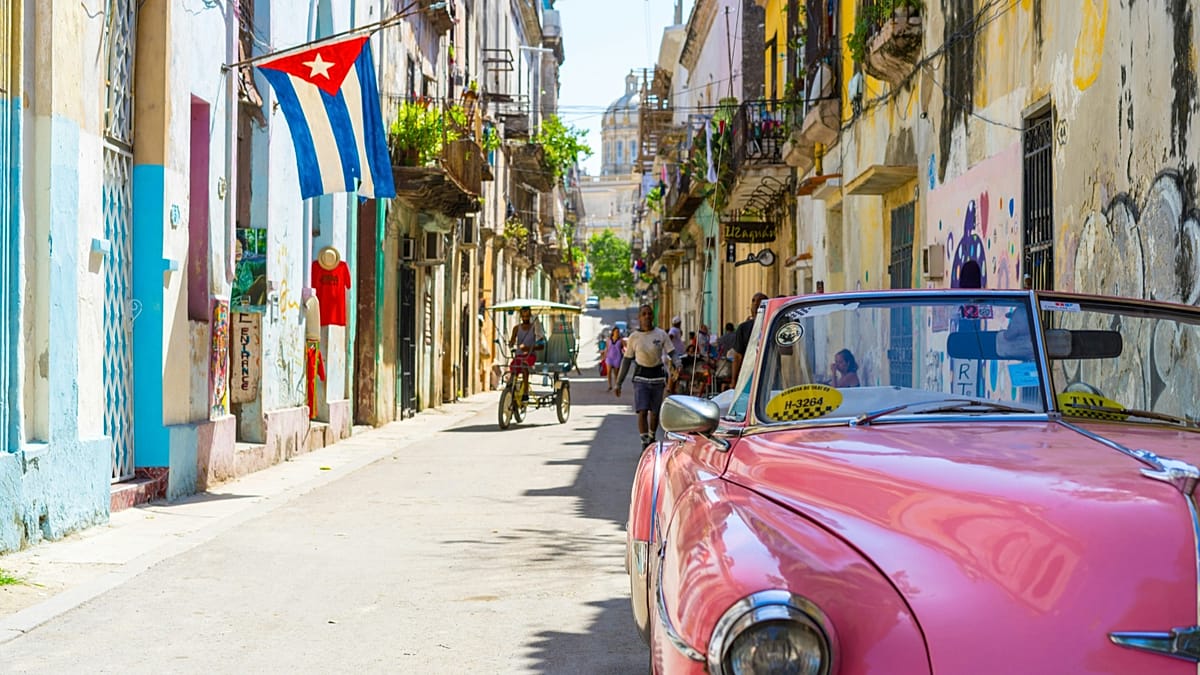
Cuba’s tourism sector has been brought to "almost total paralysis" by US sanctions and fuel shortages, Prime Minister Manuel Marrero said, with nearly three-quarters of hotels now closed.
 ADVERTISEMENT
ADVERTISEMENT
ADVERTISEMENT
Detailing the scale of the tourism crisis for the first time, Marrero said seven international chains, responsible for about half of all hotel rooms, had now left the island.
Tourism had been Cuba's second-largest source of foreign currency earnings, employing more than 300,000 people before the crisis deepened this year.
Today, Old Havana's streets, once clogged with tourists seeking sun, salsa and stirred cocktails, are quiet. Some 73% of hotels have been closed, Marrero said, and about 25,000 workers have been left "in a vulnerable situation".
Following Havana's announcement in February of an aviation fuel shortage, Canadian, Russian and European airlines suspended flights to the island.
The sector's troubles accelerated after Washington imposed sanctions in May on the military-run conglomerate GAESA, prompting several international operators to end hotel management agreements to avoid US penalties.
The decline in tourism in 2026 has been “severe”, said media outlet CiberCuba. Between January and June 2026, Cuba received only 360,000 international visitors – 58% down compared with the same period a year earlier.
This decrease follows an “already catastrophic 2025” for Cuba’s tourism sector. Last year the island received 1.81 million international tourists, “the worst figure since 2002 and far below the official target of 2.6 million”.
Hotel groups leave after three decades
Seven international hotel chains have now ceased operations on the island – this accounts for 46% of the rooms managed under that model.
Although Spanish groups Meliá and Iberostar continued operating hotels in partnership with Cuba's Tourism Ministry, Washington widened its sanctions in July.
Meliá Hotels International informed the Spanish National Securities Market Commission (CNMV) that it would cease operations at its 34 hotels on the island on 24 July, while Iberostar and Barceló confirmed that they no longer operate hotels in the country.
The decision culminates a withdrawal process that began last June and marks the end of more than three decades of prominence of the main Spanish companies in the Cuban tourism sector, one of the pillars of the island's economy.
Meliá explained that the decision stems from the operational, legal, economic, and financial difficulties that have persistently affected Cuba.