

 ADVERTISEMENT
Germany has long been known as one of the most conservative countries in Europe, but that perception could be shifting.
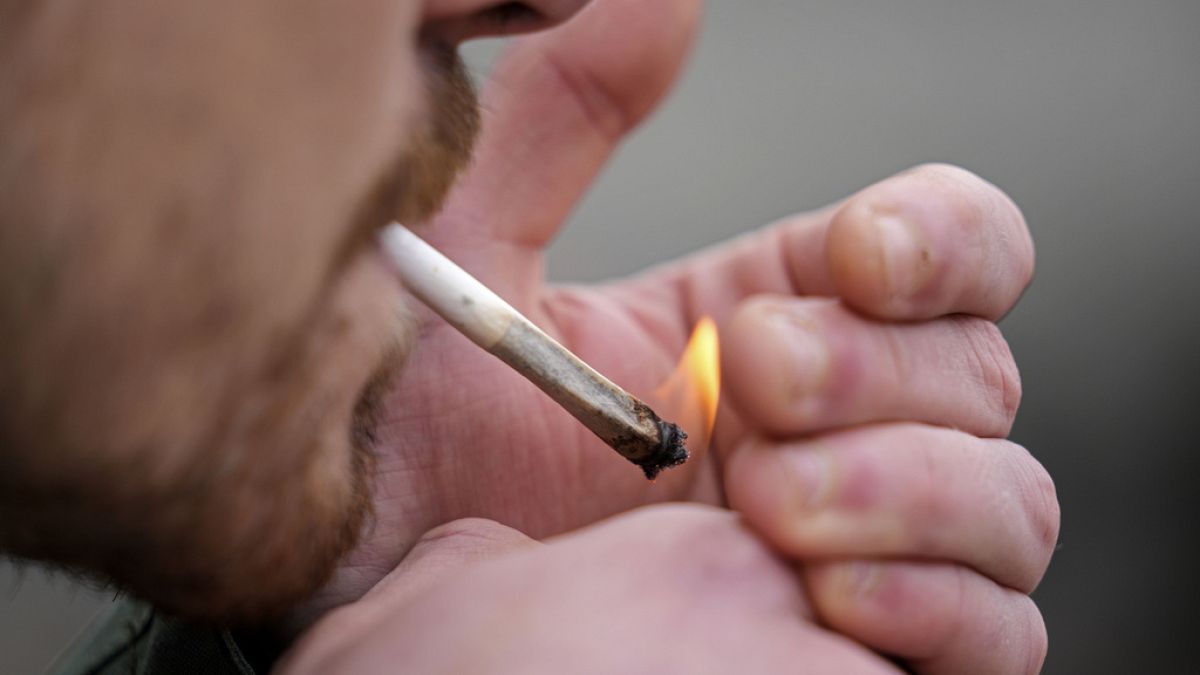
This week, it became the largest EU country to legalise recreational cannabis - despite fierce opposition from politicians and various medical associations.
Those over 18 are now allowed to carry 25 grams of dried cannabis as well as cultivating up to three marijuana plants at home.
The change means Germany now has some of the most liberal cannabis laws in Europe, similar to those in Malta and Luxembourg. Those nations legalised recreational use in 2021 and 2023, respectively.
In Europe, the Netherlands has been famous for its seemingly relaxed attitude to the drug - but, recently, has been taking a stricter approach to counter cannabis tourism. People hoping to travel to take the drug won’t find it so easy, even in Holland or neighbouring Germany.
What does the law change mean for cannabis use in Germany?
Despite the law change in Germany, getting hold of cannabis is not straightforward.
Initial plans for cannabis to be sold via licensed shops were ditched due to EU opposition, although officials hope there will soon be pilot schemes to trial selling the drug in some shops.
The German government hopes that legalisation will help to contain the growing black market for the substance.
From 1 July, the next stage of legal reform, people will be able to obtain cannabis through so-called ‘cannabis clubs’.
Each regulated association will be allowed to have up to 500 members each, who will each be able to purchase up to 50 grams of cannabis per month. It’s not yet clear whether membership will be open to foreign nationals or tourists.
While some health groups have raised concerns that legalisation could lead to an increase in use among young people, who could face severe health risks in some cases, the government has a solution.
They’ve promised a widespread information campaign to raise awareness of potential downsides and have also stressed that cannabis will remain banned for under-18s and within 100 metres of schools, kindergartens and playgrounds.
The law has also led to criticism from police, who have openly said they are fearful of increased conflict with citizens under the influence.
They’re concerned it will be difficult to enforce, which suggests Germany is unlikely to become a ‘weed tourism’ hotspot any time soon.
Which are Europe’s biggest destinations for ‘weed tourism’?
Cannabis is, in fact, legal in a number of European countries. For the most part, though, it’s only available for medical use or decriminalised for personal use. That means it’s not readily available for tourists to buy in most nations.
It’s a very different situation in Malta, though. The island nation currently has the most tolerant laws in the entire EU concerning the cultivation, consumption and possession of cannabis.
Adults are permitted to carry up to 7g of cannabis as well as growing up to four plants at home since legislation passed in 2021.
While smoking marijuana in public is still prohibited, the streets of Malta are lined with shops selling joints and edibles, alongside paraphernalia.
ADVERTISEMENTThe Netherlands is often seen as relaxed on marijuana - but the cultivation, sale and possession of drugs is actually illegal.
Officially, its sale is “tolerated” in the country’s famous ‘coffee shops’ and the possession of no more than 5g of cannabis is decriminalised.
Similarly in Spain, personal use of cannabis has been decriminalised. Regulations tend to vary between municipalities but cannabis social clubs are hugely popular, with over 1,000 in action, including in tourist hotspots like Barcelona. Despite occasional crackdowns, most law enforcement turns a blind eye to the clubs, which are known to push the limits of the Spanish decriminalisation law.
The majority of other European nations still have fines or other punishments in place for the use or possession of even small amounts of the drug.
It’s likely more liberal countries will be keeping an eye on how Germany’s new law pans out, though. Belgium especially is one to watch, where possession of up to 3g of cannabis or the cultivation of one plant has been considered “low prosecution priority” in individuals over the age of 18 since 2003.
ADVERTISEMENTLast year, the Deputy Prime Minister, Pierre-Yves Dermagne, told Flemish news publication De Morgen, that the country should “consider the legalisation of cannabis”, suggesting that Belgium could be another country heading for legalisation sooner rather than later.