

Markets In Turmoil: Trump's Trade Threats Shake Global Confidence
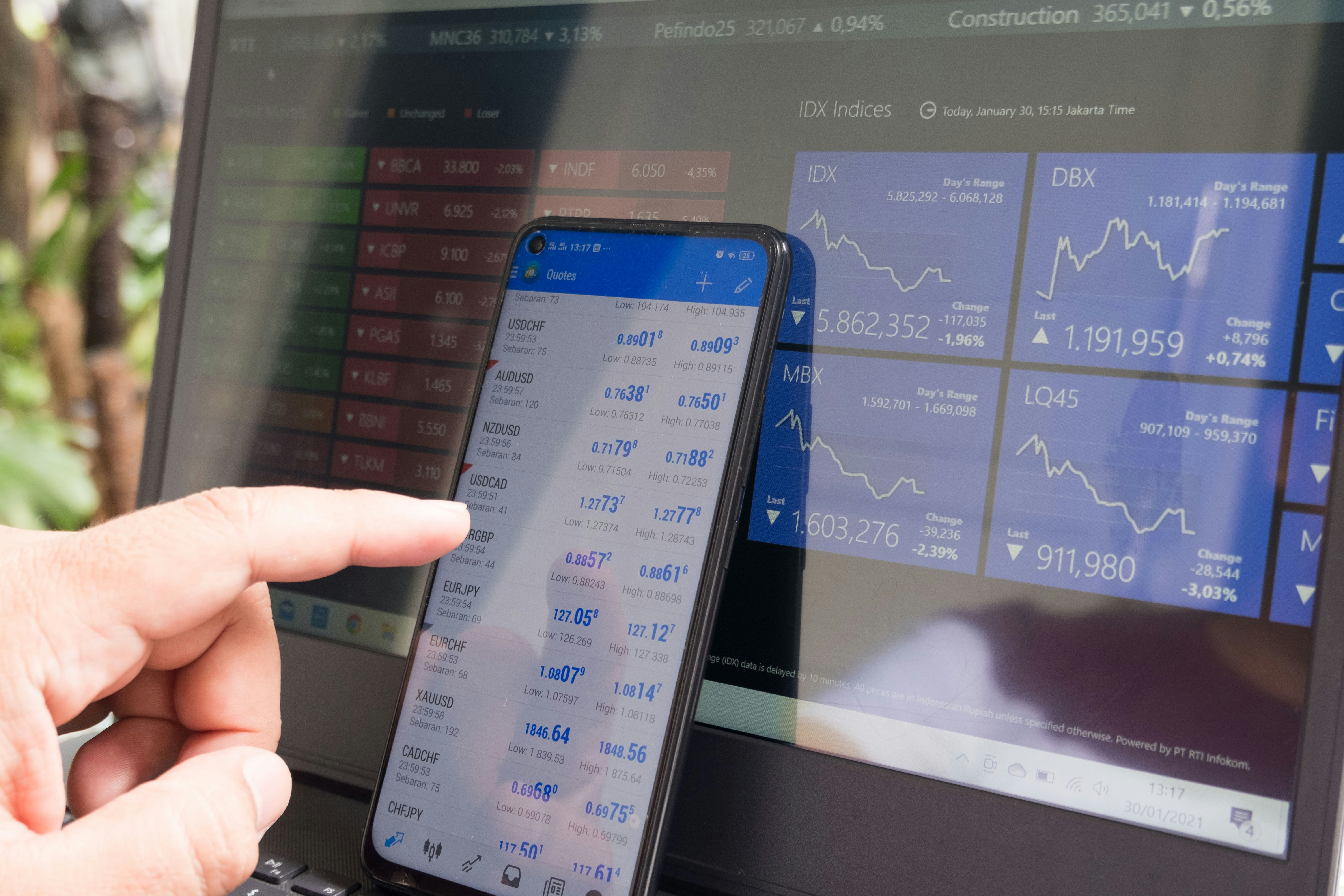
President Trump’s aggressive trade threats have once again sent shockwaves through global markets. Stocks, commodities, and currencies have all experienced significant volatility as investors grapple with the implications of the US president’s unpredictable approach to trade. This article examines the immediate market reactions and explores the broader consequences for global economic stability.
Overview of Trump’s Trade Threats
Recent trade-related statements from Trump’s administration have escalated tensions with key trading partners, including China and the European Union. The targeted industries range from automotive and technology to agriculture, with tariffs proposed as a means to correct trade imbalances and protect American jobs. These threats are part of a broader strategy to reshape global trade in favor of the United States but have created significant uncertainty for international markets.
Immediate Impact on Markets
Stock Market Reactions The announcement of new tariffs and trade threats led to sharp declines in major stock indices. The S&P 500 and Dow Jones fell amid fears of disrupted global supply chains and reduced corporate earnings. International markets followed suit, with Asian and European indices also experiencing notable drops. Technology and manufacturing sectors were hit hardest, reflecting their vulnerability to trade disruptions.
Commodities Commodity markets have also been impacted by the trade tensions. Prices for raw materials such as steel and aluminum, which are often the subject of tariffs, have fluctuated dramatically. Meanwhile, agricultural products, particularly soybeans and pork, have seen price declines due to reduced demand from key importing countries like China.
Currency Markets Currency markets have reacted with notable volatility. Safe-haven currencies such as the Japanese yen and Swiss franc appreciated as investors sought stability. Conversely, currencies in countries targeted by US tariffs, such as the Chinese yuan, depreciated. This dynamic has further complicated international trade and investment.
Currency Turmoil and Its Implications
Trump’s trade threats have intensified currency market fluctuations, creating ripple effects across the global economy. The increased demand for safe-haven currencies highlights the uncertainty faced by investors. Meanwhile, the devaluation of targeted currencies has made exports from these countries cheaper, but at the cost of increased tensions with trading partners.
These currency movements have broader implications for global trade and investment. Importers and exporters face higher costs due to exchange rate volatility, while businesses grapple with the challenge of managing cross-border transactions in an unpredictable environment.
Global Confidence and Economic Stability
Impact on Investor Confidence The heightened trade tensions have eroded investor confidence, leading to increased market volatility. Risk-averse investors have shifted capital to safer assets such as government bonds and gold. This trend reflects broader concerns about the stability of global markets.
Broader Economic Implications Prolonged trade tensions could slow global economic growth. Disrupted supply chains, reduced trade volumes, and diminished business confidence are all potential outcomes of ongoing instability. The ripple effects of these challenges could extend beyond the immediate markets to affect global financial systems and long-term economic planning.
Reactions from Key Stakeholders
Governments Governments affected by US trade threats have responded with a mix of retaliatory tariffs and diplomatic measures. Countries like China and the European Union have implemented countermeasures to protect their own economies, further escalating tensions.
Businesses Corporations are adjusting their strategies to mitigate the risks of trade disruptions. Many are exploring alternative supply chains, diversifying production, or shifting operations to minimize exposure to tariffs. However, these adjustments often come with increased costs and reduced efficiency.
Financial Markets Central banks have also been drawn into the fray, with some intervening to stabilize currencies. These measures, while helpful in the short term, may not fully offset the broader uncertainty created by the trade threats.
Long-term Outlook
The long-term effects of Trump’s trade threats remain uncertain. Scenarios range from a full-blown trade war to a negotiated resolution that restores stability. If trade tensions persist, markets are likely to experience prolonged volatility, with significant implications for global economic dynamics. On the other hand, a resolution could pave the way for renewed growth and confidence.
Conclusion
Trump’s trade threats have introduced significant instability into global markets, highlighting the far-reaching consequences of aggressive trade policies. While these actions aim to reshape global trade in favor of the United States, the risks to economic stability and investor confidence are undeniable. Moving forward, the need for measured and strategic trade policies will be critical to ensuring long-term global market stability.
Author: Brett Hurll
Gyrostat September Retirement Portfolio Resilience Assessment
September Retirement Portfolio Resilience Assessment Markets have fallen. The price of risk has risen. ... Read more
Does The West Have A Problem With Government Bonds
If you have been following the financial pages over the past few weeks, one theme has begun to stand out from the usual ... Read more
August Retirement Portfolio Resilience Assessment
Markets Are Higher. The Price of Risk Is Lower. Retirement invest... Read more
When The Wave Turns
Why Retirement Investing Is Moving Towards Resilience Jeremy Grantham’s latest market warnings have revived an old tru... Read more
Gyrostat Capital Management: July Retirement Portfolio Resilience Assessment
The Market Is Currently Presenting an Opportunity to Strengthen Retirement Portfolio Resilienc... Read more
The Invisible Risk That Decides Your Retirement
Why how investors behave matters more than what markets do and what disciplined port... Read more