

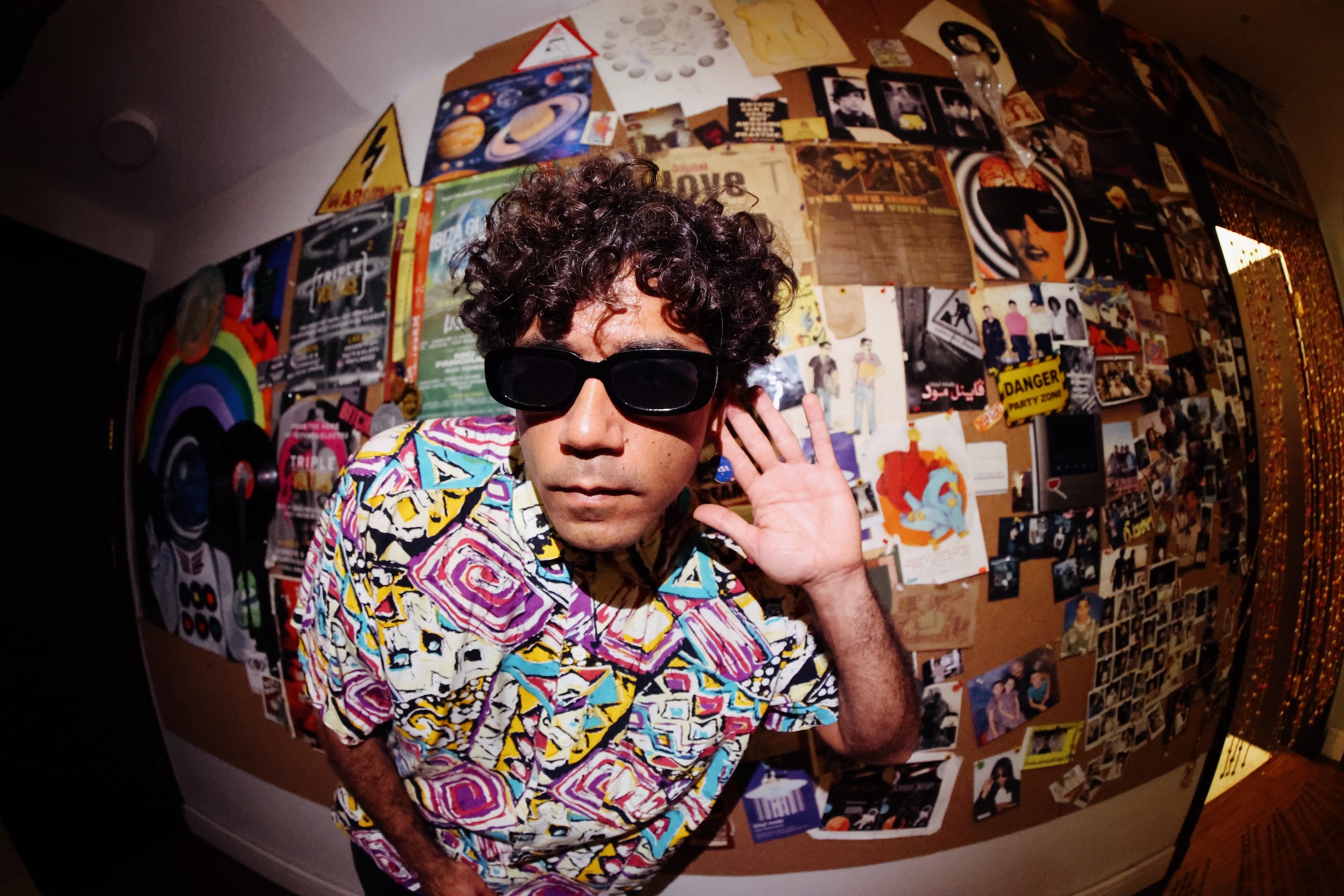
DUBAI: Saudi DJ and producer Vinyl Mode, a pioneer of the ‘Hejazi House’ sound, is taking it south with his new single “Seedboya,” out Oct. 22, which sets the dialect of the Kingdom’s southwestern Jazan region to a house beat.
“I don’t want to follow any trend. I want to make my own trend,” the artist, whose real name is Muhanned Nassar, tells Arab News. “I want to export my own language to the world.”
Hejazi House pairs Chicago and Detroit house influences with the slang of Saudi Arabia’s west coast. What makes a Hejazi House track, Nassar says, apart from the slang, is “rhythm and the attitude.”
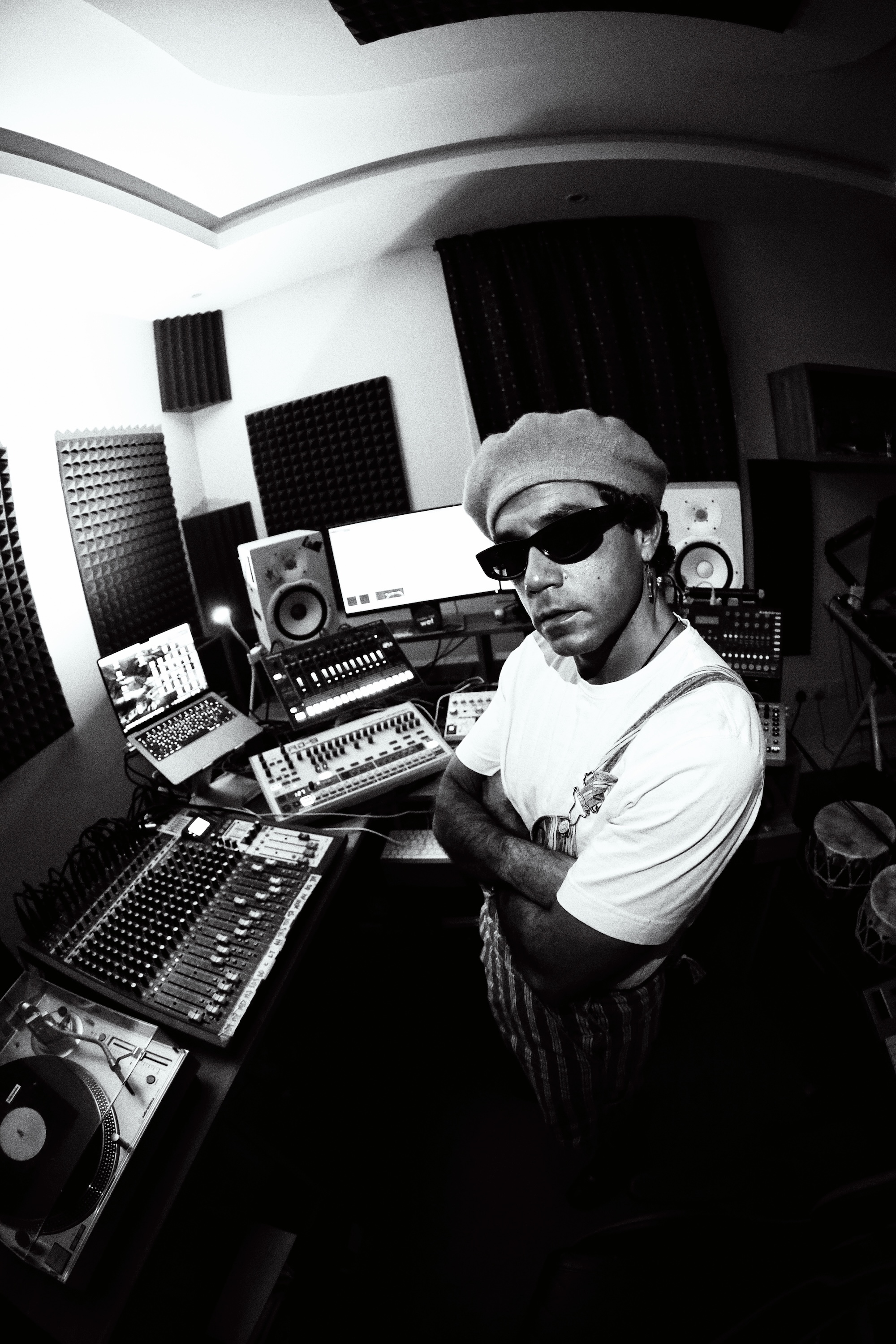
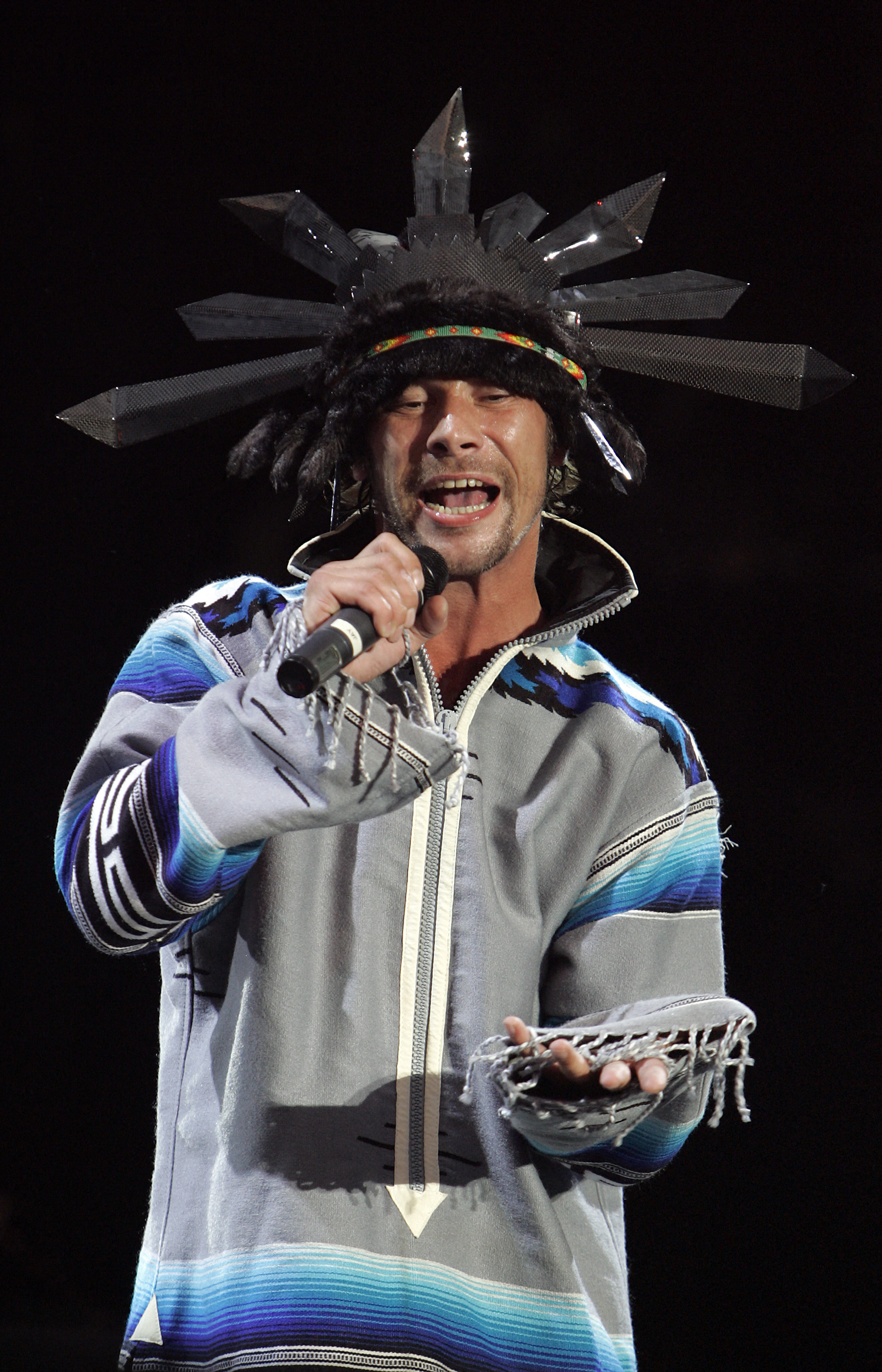
Nassar’s journey began with the radio. Growing up in Jeddah without reliable internet, he says he used to listen to recorded cassettes of weekly chart shows, and singles out British band Jamiroquai as a lasting influence.
In the early 2000s, he saved up to buy his first pair of speakers. As he loaded them into his car, Haitham Al-Hefni, a veteran of the Jeddah music scene known as DJ Millennium, made a prediction.
“He was like, ‘Yo, Mo, you’re gonna be a successful DJ,’” Nassar says. “He gave me this older-brother, proud look. I’ll never forget it. Sometimes it brings tears to my eyes.” When Nassar asked him why he thought that, Al-Hefni had a simple answer: “Because you got the charisma.”
Nassar began to get heavily into electronic music around 2008, through deep house artists such as The Timewriter and Maceo Plex. A year later, while working at the King Abdullah University of Science and Technology, he met Harris, a DJ who was then doing his PhD at the university. Nassar practiced on Harris’ turntables during lunch breaks, and the pair began playing invitation-only parties together, at a time when the Kingdom had no official live music scene.
They played deep house and tech house, which Nassar claims helped educate audiences. “We achieved a lot,” he says. “People go now to a party, they ask who’s playing, they know the type of music.”
The name Vinyl Mode was inspired by Lauryn Hill’s “Doo Wop (That Thing)” music video, in which New York City spins like a record, and by the “vinyl mode” setting on DJ decks.
“The shape of life is the circle, because everything goes in circles and rotates, even energy,” Nassar says. “What you give is what you get. So it’s all vinyl mode for me.”
For years, music was his “night shift” alongside corporate jobs, including five years at Nestle, where he told his managers from the start that he was a DJ. “I wanted to be myself. I didn’t want to keep hiding,” he says.
Around 2015, while collaborating with Saudi poet and actor Sarah Taibah, Nassar realized he had a distinct sound. They were later selected for an art residency in Paris, where they performed their music live to audiences who responded more strongly than to his DJ sets.
He returned from the six-month residency determined to leave the corporate world, and joined music company MDLBEAST as it launched.
The conception of “Seedboya” began in Ramadan 2023, when Nassar met Jazan-born rapper Dehmez. “I told him, ‘You really need to be real when you write something. You have to feel it from your heart,’” Nassar says. “I asked him, ‘Where do you come from? Why don’t you try to write something in Jazani?’”
The pair researched “Eino Ramany,” an old Jazani song popularized by Saudi singer Etab, and reworked parts of it — adding new verses. The track took three years to finish. “I like to take my time. I don’t like to rush with music,” Nassar says.
Nassar is currently working with artists from Jordan and Egypt on tracks built around their local street slang, and hopes to explore Tunisian and Moroccan culture in his future work.
His music has also traveled. He recalls playing one of his tracks on his phone to European DJ Senc at a private party, who then asked for the file and played it in his set that night. “People went crazy,” he says.
His music translates across borders easily, Nassar believes.
“We all tune in to one frequency. We dance to one beat,” he says. “But when I play in my country and in my city, it’s an even better feeling, because people sing along. People are proud of this sound.”