

Skepticism Surrounds Trump's Dollar Devaluation Proposal
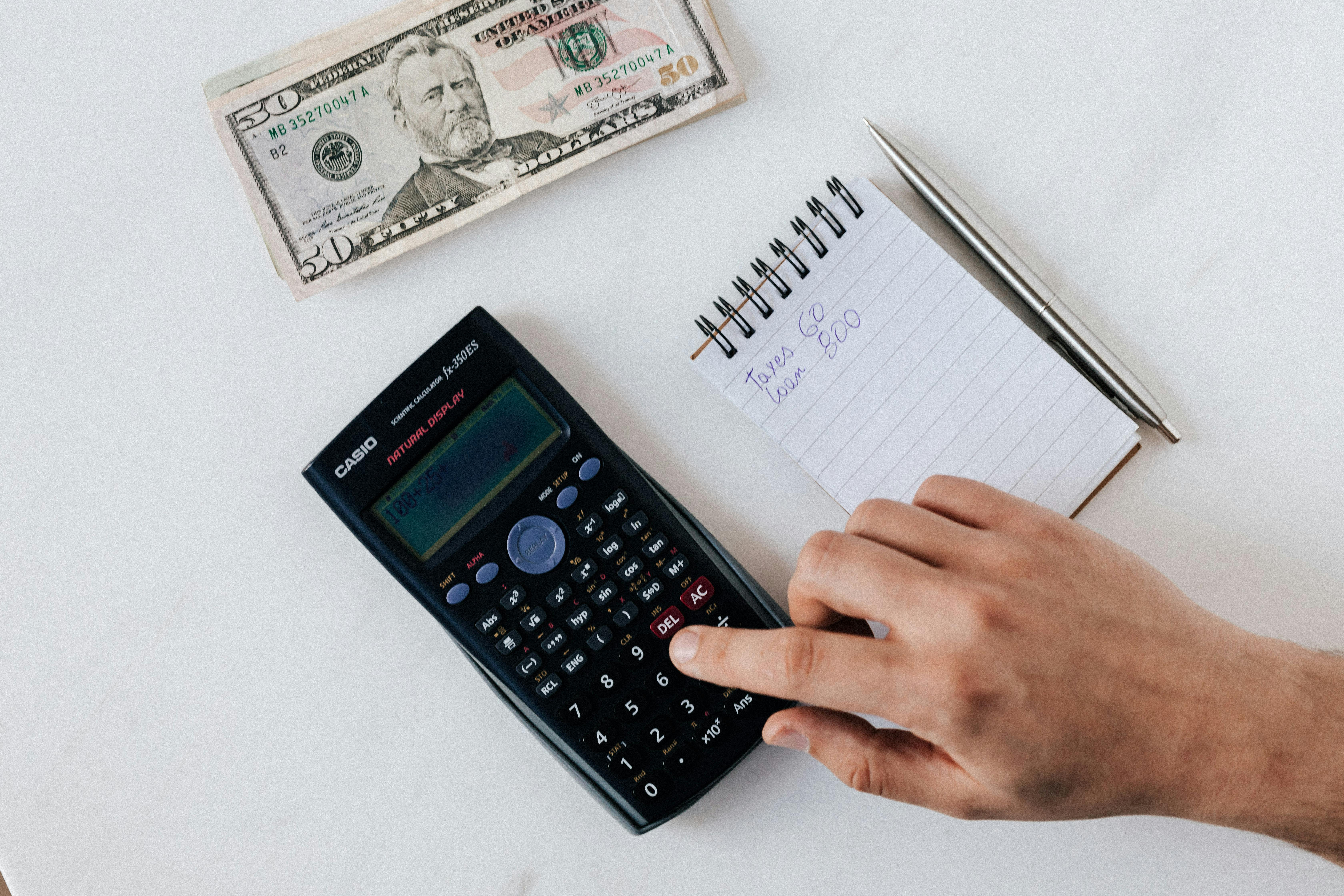
Investors and analysts remain skeptical of former President Trump's dollar devaluation plan, citing tax cuts and tariffs as factors likely to support the US currency.
Former President Donald Trump's proposal to devalue the dollar has drawn skepticism from investors and analysts. Trump's plan, aimed at making US exports more competitive globally, faces significant hurdles. Experts argue that the economic policies he advocates, such as tax cuts and tariffs, are likely to support the dollar rather than weaken it.
Objectives of Trump's Proposal
Trump's proposal to devalue the dollar is intended to boost US exports by making them cheaper and more attractive in the global market. This strategy aims to stimulate domestic manufacturing and reduce the trade deficit. The proposal comes at a time when the global economy is experiencing volatility, and Trump believes that a weaker dollar could provide a competitive edge for American products.
Economic Policies Supporting the Dollar
The economic policies favored by Trump, particularly tax cuts and tariffs, are seen by many analysts as supportive of a strong dollar. Tax cuts typically lead to increased consumer spending and business investment, which can strengthen the economy and, consequently, the dollar. Tariffs on foreign goods reduce imports, which can also support the domestic currency by improving the trade balance.
The Role of the Federal Reserve
The Federal Reserve's monetary policy plays a crucial role in determining the value of the dollar. The Fed's primary objectives are to control inflation and ensure economic stability. Any efforts to devalue the dollar artificially may be met with resistance from the Fed, as such actions could conflict with its monetary policy goals. The Fed's focus on maintaining a stable and predictable economic environment means that significant currency manipulation could be counteracted by monetary policy adjustments.
Risks of Currency Manipulation
Currency manipulation carries several risks, including the potential to provoke international trade tensions. Other countries may view deliberate devaluation as an unfair trade practice, leading to retaliatory measures and trade wars. These actions could harm the global economy and create instability, undermining the potential benefits of a weaker dollar.
Investor and Analyst Perspectives
Investors and analysts express significant doubts about the feasibility and practicality of Trump's plan. They argue that the combination of tax cuts and tariffs is more likely to support the US currency. Historical examples of similar devaluation attempts often resulted in increased market volatility and limited success. Analysts warn that these economic policies could lead to unintended consequences, such as higher inflation and reduced investor confidence.
Conclusion
In summary, former President Trump's proposal to devalue the dollar to boost export competitiveness faces considerable skepticism from investors and analysts. Economic policies like tax cuts and tariffs are expected to support the US currency, making devaluation efforts unlikely to succeed. The Federal Reserve's focus on maintaining economic stability and the risks associated with currency manipulation further complicate the feasibility of the plan. As a result, the outlook for the dollar's value remains strong, with broader economic implications that must be carefully considered.
Author: Ricardo Goulart
Gyrostat September Retirement Portfolio Resilience Assessment
September Retirement Portfolio Resilience Assessment Markets have fallen. The price of risk has risen. ... Read more
Does The West Have A Problem With Government Bonds
If you have been following the financial pages over the past few weeks, one theme has begun to stand out from the usual ... Read more
August Retirement Portfolio Resilience Assessment
Markets Are Higher. The Price of Risk Is Lower. Retirement invest... Read more
When The Wave Turns
Why Retirement Investing Is Moving Towards Resilience Jeremy Grantham’s latest market warnings have revived an old tru... Read more
Gyrostat Capital Management: July Retirement Portfolio Resilience Assessment
The Market Is Currently Presenting an Opportunity to Strengthen Retirement Portfolio Resilienc... Read more
The Invisible Risk That Decides Your Retirement
Why how investors behave matters more than what markets do and what disciplined port... Read more