

Fed's 2025 Forecast And Dollar Dynamics: What The Two-Year High Means For The Economy
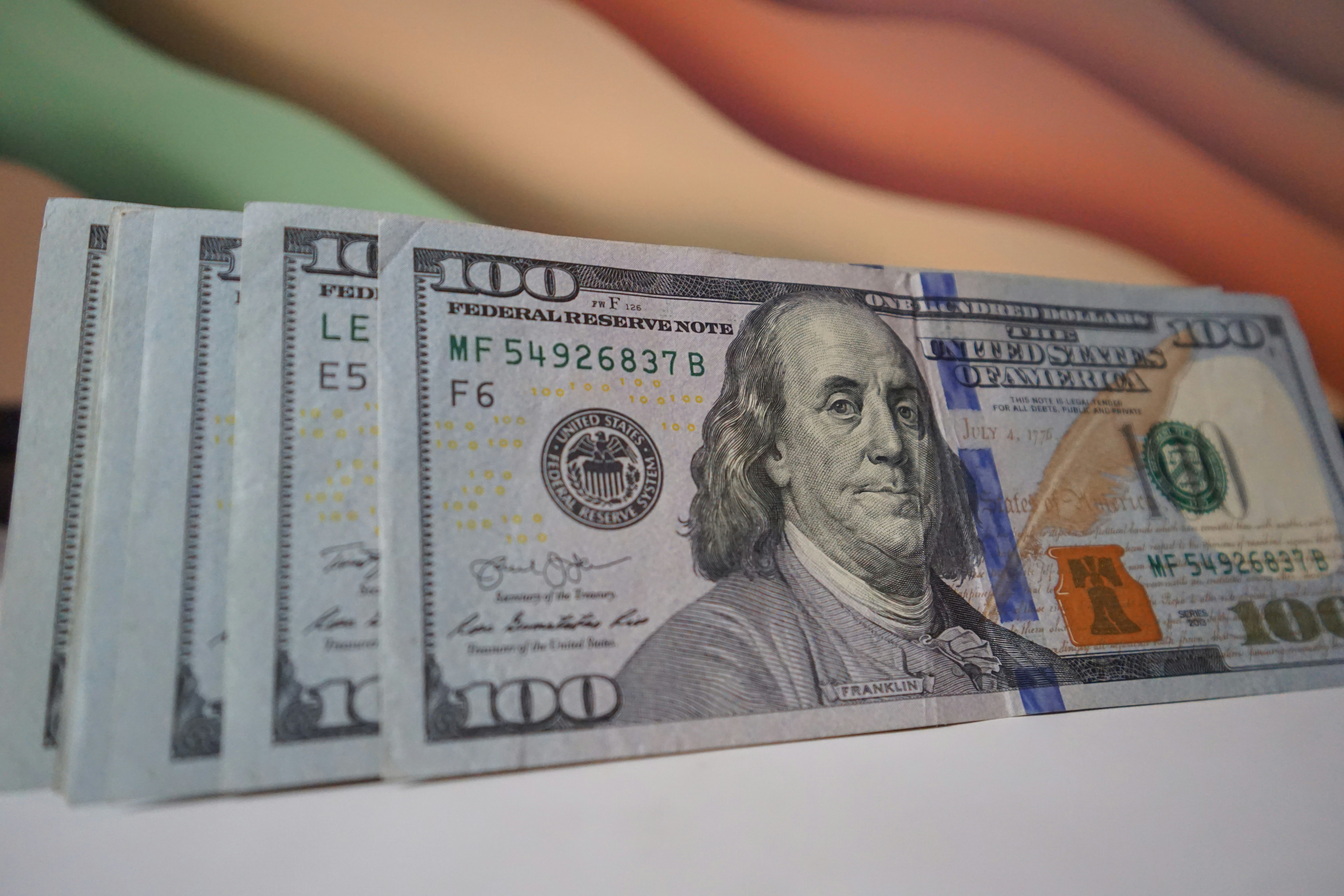
The U.S. dollar has surged to its strongest level in two years following the Federal Reserve’s announcement of a cautious outlook for interest rate reductions. With only a half-percentage point cut forecasted for 2025, the central bank’s restrained approach has bolstered confidence in the dollar, driving its value upward. This article explores the implications of a strong dollar for the U.S. economy, businesses, consumers, and the global financial system.
Background on the Federal Reserve’s 2025 Projections
The Federal Reserve recently signaled a modest rate reduction plan, forecasting only a 0.5% decrease in interest rates for 2025. While rate cuts typically suggest a dovish stance, the Fed maintained a hawkish tone, citing persistent inflation concerns and the need to ensure economic stability. The restrained forecast has reassured investors about the resilience of the U.S. economy, contributing to the dollar’s strength.
The Rise of the U.S. Dollar
The U.S. dollar’s performance in global currency markets has been remarkable, climbing to its highest level in two years. Several factors have fueled this rise, including higher U.S. bond yields, increased demand for safe-haven assets, and global investor confidence in the Federal Reserve’s policy direction. Compared to other major currencies, such as the euro and yen, the dollar has demonstrated resilience and stability, making it an attractive choice for investors.
Implications of a Strong Dollar on the U.S. Economy
Trade and Exports
A strong dollar makes U.S. goods more expensive for foreign buyers, posing challenges for exporters. This could widen the trade deficit and reduce the competitiveness of American products in global markets. Industries reliant on exports, such as manufacturing and agriculture, are likely to feel the pinch.
Corporate Earnings
Multinational corporations face pressure as a strong dollar reduces the value of revenue earned overseas when converted back into U.S. currency. Sectors like technology and pharmaceuticals, which derive a significant portion of their earnings from international markets, may experience declines in profitability.
Consumer Benefits
On the flip side, U.S. consumers benefit from cheaper imports, as a stronger dollar lowers the cost of goods produced abroad. Additionally, Americans traveling internationally can enjoy more favorable exchange rates, increasing their purchasing power overseas.
Global Repercussions of a Strong U.S. Dollar
Impact on Emerging Markets
Emerging economies with significant dollar-denominated debt are particularly vulnerable to a strong dollar. Higher debt servicing costs can strain government finances and destabilize economies already grappling with inflation and slowing growth. Countries heavily reliant on dollar-based trade may face increased economic pressure.
Global Trade Dynamics
The dollar’s surge creates challenges for other central banks, forcing them to reassess their monetary policies to maintain currency stability. This dynamic increases the risk of global financial market volatility, as nations adjust to shifting capital flows and fluctuating exchange rates.
Expert Opinions and Predictions
Economists and market analysts have differing views on the sustainability of the dollar’s strength. Some argue that the Fed’s cautious approach reflects sound economic judgment, while others warn that prolonged dollar strength could exacerbate trade imbalances and hinder growth in emerging markets. Looking ahead, many experts predict continued volatility in currency markets as central banks grapple with inflation and economic uncertainties.
Conclusion
The U.S. dollar’s recent surge, driven by the Federal Reserve’s hawkish 2025 forecast, highlights the central bank’s influence on global currency dynamics. While the strong dollar brings advantages for consumers and investors, it poses challenges for exporters, multinational corporations, and emerging markets. Balancing economic stability with market competitiveness will remain a key focus for policymakers as they navigate the complex interplay of monetary policy and global financial trends.
Author: Ricardo Goulart
Gyrostat September Retirement Portfolio Resilience Assessment
September Retirement Portfolio Resilience Assessment Markets have fallen. The price of risk has risen. ... Read more
Does The West Have A Problem With Government Bonds
If you have been following the financial pages over the past few weeks, one theme has begun to stand out from the usual ... Read more
August Retirement Portfolio Resilience Assessment
Markets Are Higher. The Price of Risk Is Lower. Retirement invest... Read more
When The Wave Turns
Why Retirement Investing Is Moving Towards Resilience Jeremy Grantham’s latest market warnings have revived an old tru... Read more
Gyrostat Capital Management: July Retirement Portfolio Resilience Assessment
The Market Is Currently Presenting an Opportunity to Strengthen Retirement Portfolio Resilienc... Read more
The Invisible Risk That Decides Your Retirement
Why how investors behave matters more than what markets do and what disciplined port... Read more