

Dollar Weakens As Hopes For Federal Reserve Rate Cuts Rise
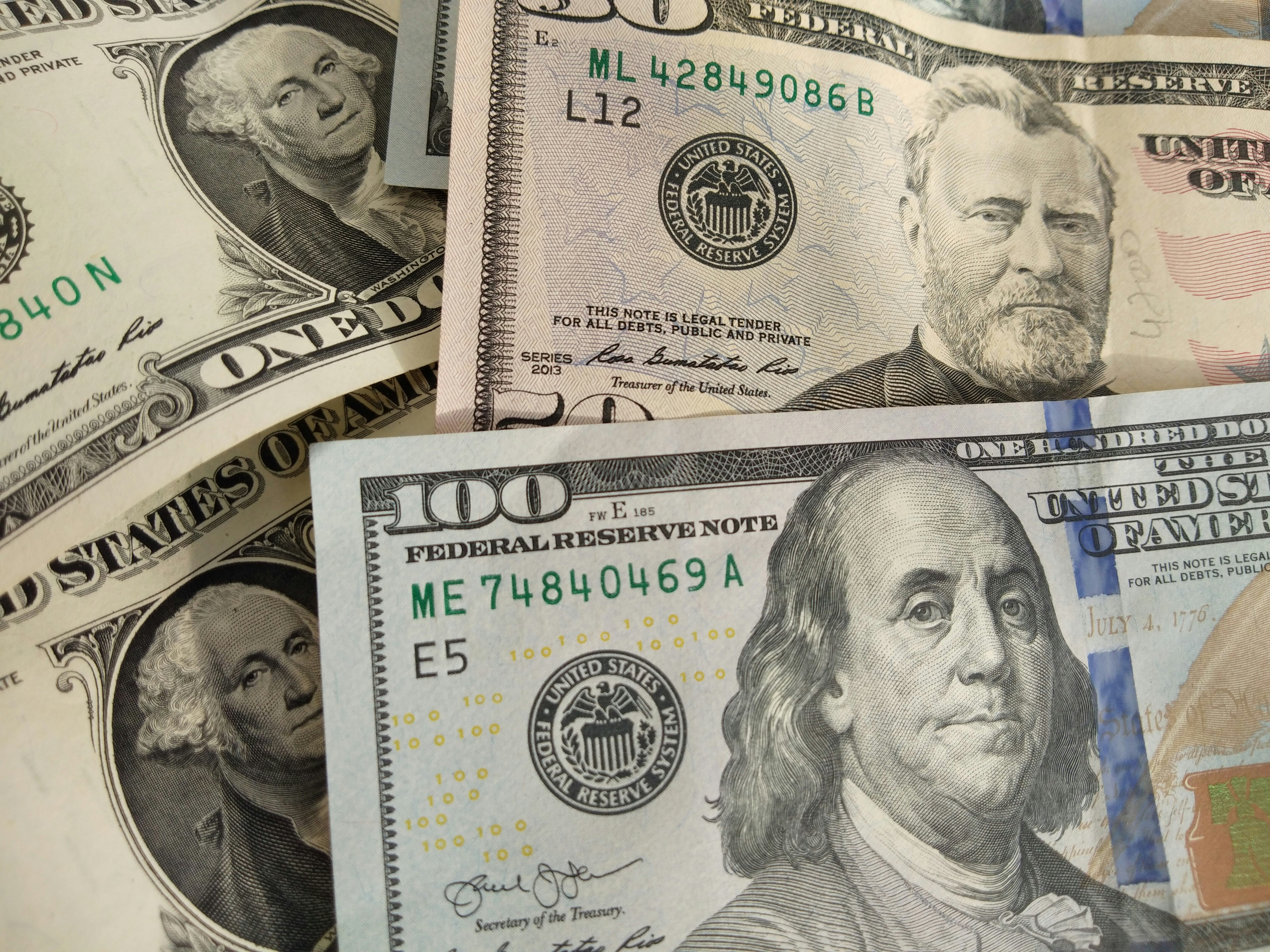
The strength of the US dollar is showing signs of weakening as hopes for Federal Reserve rate cuts rise in response to falling inflation. The recent Consumer Price Index (CPI) data has undershot forecasts, leading to increased speculation that the central bank might pivot towards a more accommodative monetary policy.
Recent Inflation Data
The latest Consumer Price Index (CPI) data has indicated a notable decline in inflation, coming in below market expectations. This marks a significant shift from previous months, where inflation readings consistently exceeded forecasts. The drop in inflation has sparked a reevaluation of the economic outlook, as investors and analysts adjust their expectations for future monetary policy.
Market Reactions
In response to the new inflation data, markets have reacted swiftly, leading to a weakening of the US dollar. Investors are increasingly speculating that the Federal Reserve may consider cutting interest rates sooner than previously anticipated. This shift in sentiment has resulted in the dollar's value declining relative to other major currencies. The prospect of lower interest rates, which reduce the appeal of the dollar to yield-seeking investors, has been a key driver of this market reaction.
Federal Reserve Policy Expectations
The falling inflation has fueled speculation that the Federal Reserve might ease its monetary policy. Historically, the Fed has been on a path of aggressive rate hikes to combat high inflation. However, with the recent CPI data indicating a slowdown in inflationary pressures, there is growing anticipation that the central bank may adopt a more dovish stance.
Analysts are considering several potential scenarios, including a pause in rate hikes or even a series of rate cuts if the inflation trend continues downward. The upcoming Federal Reserve meetings will be closely watched for any signals of a shift in policy direction.
Implications for the Dollar
Potential rate cuts by the Federal Reserve could further weaken the dollar's value. Lower interest rates typically diminish the return on investments denominated in dollars, making the currency less attractive to international investors. This dynamic could lead to a sustained period of dollar depreciation if the Fed follows through with rate cuts.
The weakening dollar could also have broader implications for international trade and investment. US exports might become more competitive due to the lower currency value, while imports could become more expensive, potentially impacting inflation dynamics in the future.
Expert Opinions
Economists and financial analysts have weighed in on the situation, offering a range of insights and predictions. Many experts agree that the Federal Reserve is likely to take a cautious approach, carefully monitoring inflation trends before making any decisive moves. Some analysts predict that the Fed could signal a readiness to cut rates if economic conditions warrant it, while others believe that the central bank might maintain a wait-and-see approach until there is clearer evidence of sustained low inflation.
Long-term, the implications for the US economy and the dollar will depend on how effectively the Federal Reserve can balance its monetary policy to support growth while keeping inflation in check. The current environment presents a complex challenge for policymakers, as they navigate the dual mandates of promoting employment and maintaining price stability.
Conclusion
The recent weakening of the US dollar amidst rising hopes for Federal Reserve rate cuts highlights the significant impact of inflation trends on currency markets. As the Federal Reserve's upcoming decisions come under closer scrutiny, the future trajectory of the US dollar remains uncertain. The central bank's ability to respond to evolving economic conditions will be crucial in shaping the dollar's performance in the months ahead. Investors and market participants will be closely monitoring the Fed's actions and communications for any indications of a shift in monetary policy direction.
Author: Brett Hurll
Gyrostat September Retirement Portfolio Resilience Assessment
September Retirement Portfolio Resilience Assessment Markets have fallen. The price of risk has risen. ... Read more
Does The West Have A Problem With Government Bonds
If you have been following the financial pages over the past few weeks, one theme has begun to stand out from the usual ... Read more
August Retirement Portfolio Resilience Assessment
Markets Are Higher. The Price of Risk Is Lower. Retirement invest... Read more
When The Wave Turns
Why Retirement Investing Is Moving Towards Resilience Jeremy Grantham’s latest market warnings have revived an old tru... Read more
Gyrostat Capital Management: July Retirement Portfolio Resilience Assessment
The Market Is Currently Presenting an Opportunity to Strengthen Retirement Portfolio Resilienc... Read more
The Invisible Risk That Decides Your Retirement
Why how investors behave matters more than what markets do and what disciplined port... Read more