

Tesla Offers Insurance Subsidy In China To Boost Slowing Global Sales
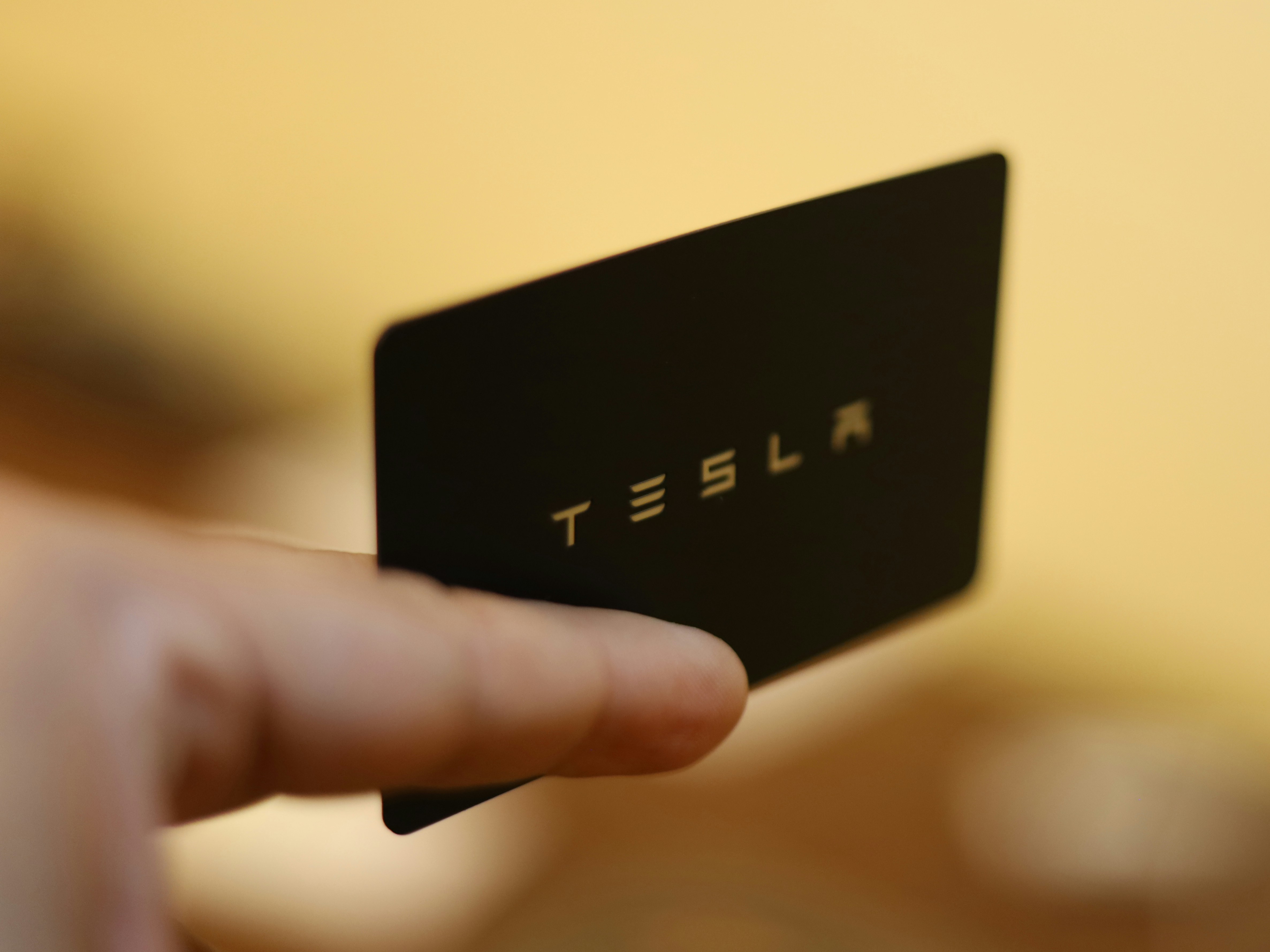
Tesla is rolling out an insurance subsidy in China in an attempt to counter slowing global sales, as the company faces mounting competition and operational hurdles across key markets. The U.S.-based electric vehicle (EV) manufacturer announced that buyers of its Model 3 vehicles in China will receive an 8,000 yuan ($1,101.90) insurance incentive if they finalize their purchase before March 17.
This move follows a sharp decline in Tesla’s sales in several major markets, most notably in Germany, where deliveries plunged by 76% last month. Analysts attribute the company’s struggles to multiple factors, including increasing competition from local EV manufacturers, production slowdowns due to factory upgrades, and CEO Elon Musk’s controversial public statements, which have alienated some consumers.
The Insurance Subsidy: Details and Objectives
Tesla’s latest incentive is designed to attract buyers without resorting to direct price cuts, which could further erode margins. The 8,000 yuan insurance subsidy applies exclusively to Model 3 buyers in China and is valid for purchases made before March 17.
This strategy allows Tesla to make its vehicles more attractive to price-sensitive customers while maintaining a level of price stability. It also signals the company’s urgency in stimulating demand, particularly in China, one of its most crucial markets.
Tesla’s Sales Struggles in Key Markets
Tesla’s decision to introduce financial incentives comes amid a broader decline in its global sales. In Germany, one of its key European markets, Tesla suffered a drastic 76% drop in sales last month. The company has also seen weakening demand in China, where it previously implemented price cuts to boost sales, but with limited success.
Despite Tesla’s long-standing dominance in the EV market, these figures highlight a growing challenge: the brand is losing ground to competitors that offer more affordable or technologically advanced alternatives. The company is now trying to reverse this trend with targeted incentives, starting with China.
Factors Behind Tesla’s Challenges
Several factors have contributed to Tesla’s current struggles:
Increased Competition: Tesla is facing intense competition from domestic EV manufacturers in China, including BYD, Nio, and XPeng. These companies have gained market share by offering lower-cost models with advanced features tailored to Chinese consumers. BYD, in particular, recently overtook Tesla in global EV sales, signaling a shift in the industry.
Consumer Perception Issues: Tesla’s brand image has taken a hit due to CEO Elon Musk’s political endorsements and controversial statements. While Musk retains a loyal following, his polarizing views have alienated certain consumer segments, particularly in international markets where political considerations influence purchasing decisions.
Operational Disruptions: Tesla has also faced temporary production slowdowns due to factory upgrades and supply chain challenges. While these improvements are intended to enhance long-term efficiency, they have caused short-term declines in output and deliveries.
Broader Market Implications
Tesla’s latest move raises several questions about the broader EV market. If incentives such as the insurance subsidy succeed in boosting sales, competitors may be forced to respond with similar or more aggressive offers. This could trigger a price war, putting additional pressure on profit margins across the industry.
Additionally, Tesla’s struggles highlight a potential shift in consumer preferences. With new EV makers gaining traction, established players like Tesla must continuously adapt to maintain their market share. Investors will be closely watching whether these incentives translate into improved sales figures and whether Tesla can sustain its competitive edge.
Conclusion
Tesla’s insurance subsidy in China is a calculated attempt to revive slowing demand without engaging in direct price cuts. However, the company’s broader challenges—including rising competition, operational disruptions, and consumer sentiment—pose significant hurdles.
The coming months will be crucial in determining whether Tesla’s strategy will be enough to regain momentum or if further measures, such as deeper discounts or new model releases, will be necessary. In the rapidly evolving EV landscape, Tesla must navigate these challenges carefully to maintain its position as a global leader.
Author: Ricardo Goulart
People Power: Building The Future Of Insurance One Career At A Time
The insurance industry is at a pivotal point. As emerging technologies reshape underwriting, claims processing, and cust... Read more
Private Equity's Great Divide: Is The Future Insurance-Funded Or Fee-Driven?
A fundamental shift is taking place at the top of the private equity industry. While firms like Blackstone remain commit... Read more
Japan's Next Battleground: The Insurance Sector Under Activist Pressure
Farallon’s push at T&D Holdings marks a shift in focus for activist capital targeting Japan’s untapped insurance... Read more
Cover And Conflict: Tensions Rise Between Insurers And Litigation Funders
Burford’s clash with Chubb signals a deeper rift in the legal-financial ecosystem A high-profile dispute between li... Read more
Underwater And Uninsured: How Climate Risk Is Reshaping The US Mortgage Market
As climate change intensifies, its effects are no longer confined to coastlines or news reports on extreme weather. In t... Read more
When The Raters Get Rated: What The Fitch–Kroll Feud Says About Oversight And Accountability
In a rare and unusually public confrontation between two of America’s credit rating agencies, a recent feud between Fi... Read more