

Weak Yen, Strong Headache: Kato Warns Inflation Masking Japan's Deflation Battle
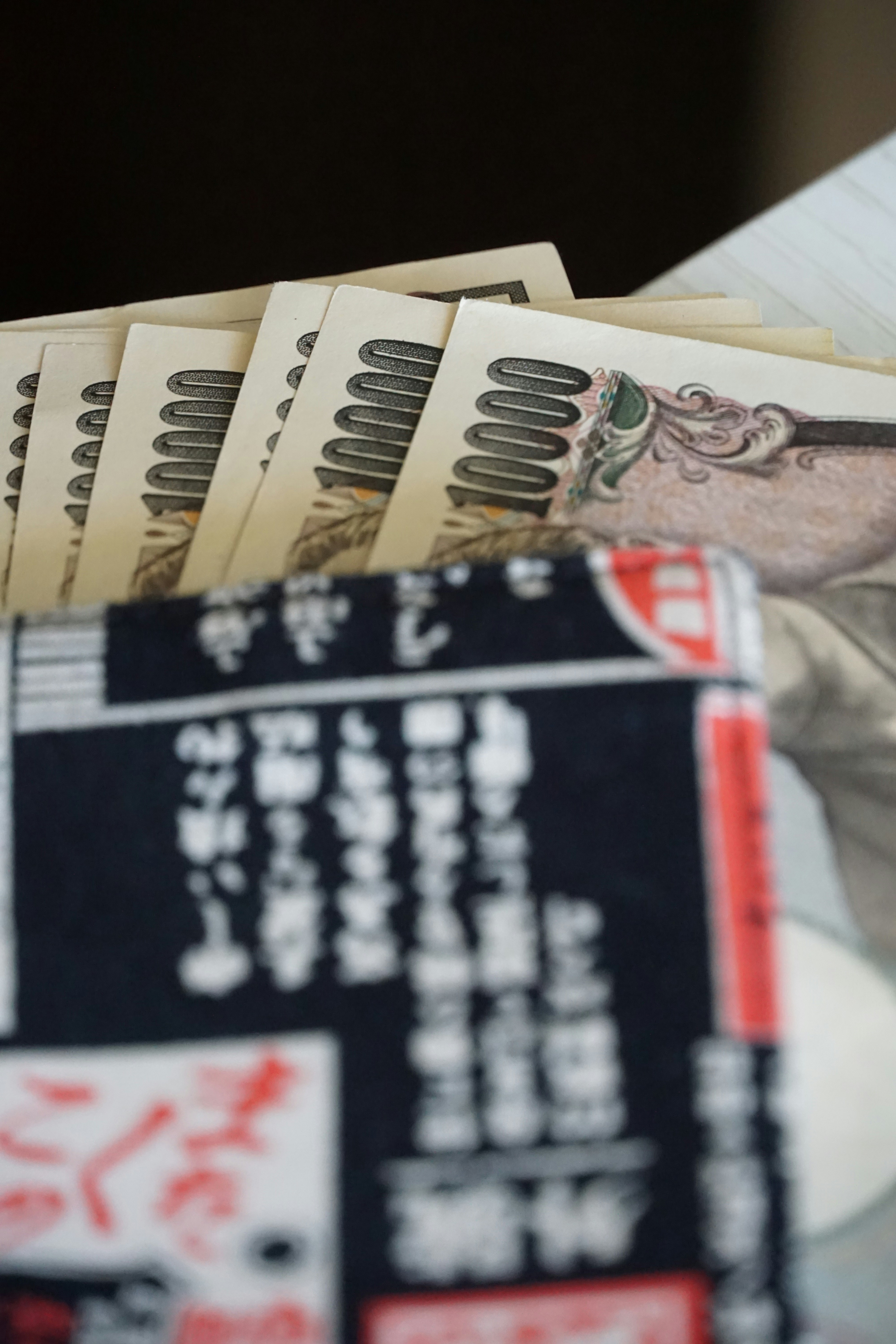
TOKYO — Japan’s Finance Minister Katsunobu Kato has issued a stark warning that the country’s inflation figures are more smoke than fire. Speaking amid growing attention to Japan’s modest price increases, Kato cautioned that the recent uptick in inflation is driven not by a robust economy, but by external forces—primarily a weakening yen and surging import costs.
In other words, Japan may look like it's heating up, but the stove isn’t even plugged in.
The Illusion of Inflation
Headline inflation in Japan has crept upward, hovering around 2–3% in recent quarters. But beneath that surface, much of the increase has been imported—literally. Energy costs, food imports, and other dollar-denominated goods have surged due to the yen’s depreciation, skewing the inflation metrics.
Kato emphasized that this is not a sign of a healthy, demand-driven recovery. Instead, it's a case of "bad inflation," where consumers feel the pain of rising prices without the offsetting benefits of wage growth or domestic investment. “Price increases driven by currency and commodity pressures cannot be mistaken for overcoming deflation,” he said.
In short, if this inflation were a meal, it’s overcooked and underseasoned.
The Yen’s Role in the Equation
The Japanese yen has dropped sharply against the U.S. dollar over the past two years, recently touching levels not seen since the early 1990s. This decline has raised the cost of imports, especially for energy and raw materials—a painful twist for a country heavily reliant on imported fuel.
While a weaker yen theoretically boosts exports by making Japanese goods cheaper abroad, the real-world impact has been muted. Export volumes have stagnated, and companies remain reluctant to invest or raise wages substantially, leaving the domestic economy sluggish.
The result? Japan is paying more at the checkout, not because it’s thriving, but because its currency is doing the economic equivalent of falling down the stairs.
Deflation Still Lurks
Japan’s underlying economic conditions remain stubbornly deflationary. Wages are flat, consumer spending is cautious, and corporate investment is tepid at best. These are the familiar symptoms of Japan’s "lost decades"—an era marked by persistent deflation and economic stagnation that began in the 1990s and has never fully lifted.
Despite years of ultra-loose monetary policy, including negative interest rates and aggressive bond-buying, the Bank of Japan (BOJ) has struggled to generate sustained inflation. The recent rise in prices, driven by global commodity shocks and currency movements, is more of a distortion than a breakthrough.
Kato’s remarks serve as a reminder: Japan’s deflation problem has not been solved—it’s simply been papered over with expensive imports.
Policy and Political Pressure
Kato’s warning also underscores the difficult position facing Japanese policymakers. The BOJ has been under increasing pressure to normalize monetary policy, especially as central banks in the U.S. and Europe have raised interest rates. Yet doing so too aggressively could trigger further yen depreciation or stall an already fragile recovery.
At the same time, the Kishida government faces rising political pressure over the cost of living. Public frustration with stagnant wages and higher household expenses could weigh heavily on the ruling party in the lead-up to future elections. Kato’s comments may also be read as a nudge—or a veiled warning—to the central bank to proceed with caution.
Conclusion
The headline inflation may look promising, but it’s a mirage. Japan remains entangled in the very deflationary forces that have defined its economic identity for decades. Kato’s remarks are less about alarmism and more about realism: without genuine domestic demand and wage growth, inflation driven by external shocks is not a sign of recovery—it’s a symptom of imbalance.
Japan, in short, is not out of the woods. It's just being charged more for firewood.
Author: Ricardo Goulart
EToro Eyes The Banks
Why a Trading Platform is Looking Beyond the TradeThere is a particular moment in the life of any ambitious company when... Read more
Excent Capital: Supporting The Growth Of LATAM Advisors
The wealth management industry in Latin America is expanding rapidly due to stronger economies and a growing number of... Read more
Parallel Banking: Stablecoins Are Now Global
Parallel Banking: How Stablecoins Are Building a New Global Payments SystemStablecoins—digital currencies pegged to tr... Read more
Industry Responses: Strategies For Overcoming Regulatory Challenges In US Bitcoin ETF Approval
The journey towards the approval of Bitcoin Exchange-Traded Funds (ETFs) in the United States has been fraught with regu... Read more
Navigating Market Volatility: Assessing The Impact Of A Strengthening Dollar On US Stocks
In recent months, US stock markets have experienced a notable rally, with indices reaching new highs. However, amidst th... Read more
Forex Today: Risk Sentiment Recovers As Trump Touts Iran Deal Again - 19 May 2026
Trump Announces 2/3 Day Pause in Iran Attack for Deal Chance; Equities Mixed; Crude Oil Prices, US Dollar Ease; US Treas... Read more