

 ADVERTISEMENT
Southern Europe is rumbling again. Popular holiday destinations around the Mediterranean, including Crete, Santorini, Sicily and Turkey, have all been affected by earthquakes or volcanic eruptions in the last month.
While the chances of being caught in a natural disaster still remain low, a recent spike in seismic activity has left many travellers questioning whether they should go ahead with their holiday or cancel.
The answer, experts say, depends on the fine print.
Here’s what to know before you book – or cancel – your summer holiday.
Are natural disasters covered by standard travel insurance?
In short: not usually.
Most basic travel insurance policies do not include coverage for natural disasters like earthquakes, volcanic eruptions, floods or wildfires.
“Travellers must be aware that most travel insurance policies won’t cover earthquakes as standard, or any other natural disaster outside of anyone’s control,” says Ernesto Suarez, founder of insurance provider Gigasure.
“While AI and data analytics are helping insurers measure the risk of these events happening more accurately, anything outside of an individual’s control is very difficult to underwrite.”
But you won’t necessarily have to eat the costs. Many insurers offer add-ons that can provide protection if your holiday is disrupted or cancelled by a natural disaster.
“We have a range of different policies that cover unforeseen events that stop you going away, disrupt your holiday or force you to cut short your trip due to natural disasters like earthquakes, floods, hurricanes and wildfires,” says Simon McCulloch, commercial director at Staysure.
“It’s important to understand that this typically applies when your trip is directly affected and if your holiday is non-refundable,” he adds.
Suarez says Gigasure’s add-on includes coverage for additional accommodation, transport costs, pet sitter fees and a daily allowance for up to 10 extra days abroad.
What if an earthquake strikes while you’re abroad?
If an earthquake or eruption disrupts your trip while you’re overseas, help may be available, especially if you’ve purchased extended coverage. But McCulloch advises keeping your priorities in order before worrying about reimbursement.
“In cases where you’re already abroad and a natural disaster strikes in your location, the most important thing is to get yourself to safety and follow the advice of local or national authorities,” he says.
Once safe, he recommends reaching out to the airline, tour operator or travel provider you booked your trip with to determine your next steps. “They will be able to help bring you home early or move you to safe accommodation,” he says.
Those with additional protection may be able to claim for unused parts of their trip or extra costs due to delays.
“Our first priority is always to help support our customers who are currently in the affected area,” says Suarez. “For those that need it, we extend our policy duration for up to 30 days or until they can return home safely.”
Can I cancel my trip out of caution?
If you’re feeling uneasy about a destination but it remains open to tourists, your insurance is unlikely to help.
“Earthquakes and other natural disasters can understandably make travellers nervous about trips they have booked and paid for, though whether you’ll be covered by your travel insurance depends on the specific details of your policy and official guidance at the time of travel,” says McCulloch.
“Before any trip, it’s worth keeping an eye on updates from [national authorities such as] the Foreign, Commonwealth and Development Office,” he explains, referencing the UK’s ministry of foreign affairs.
“If it hasn’t advised against travel (or all but essential travel) to a destination following a seismic event – as was the case recently in Crete – then cancelling your trip purely out of caution is unlikely to be covered by your travel insurance.”
Suarez agrees. “If someone chooses to cancel their trip because of a recent earthquake, it’s unlikely that their travel insurance will cover them.”
Seismic activity shakes summer travel plans
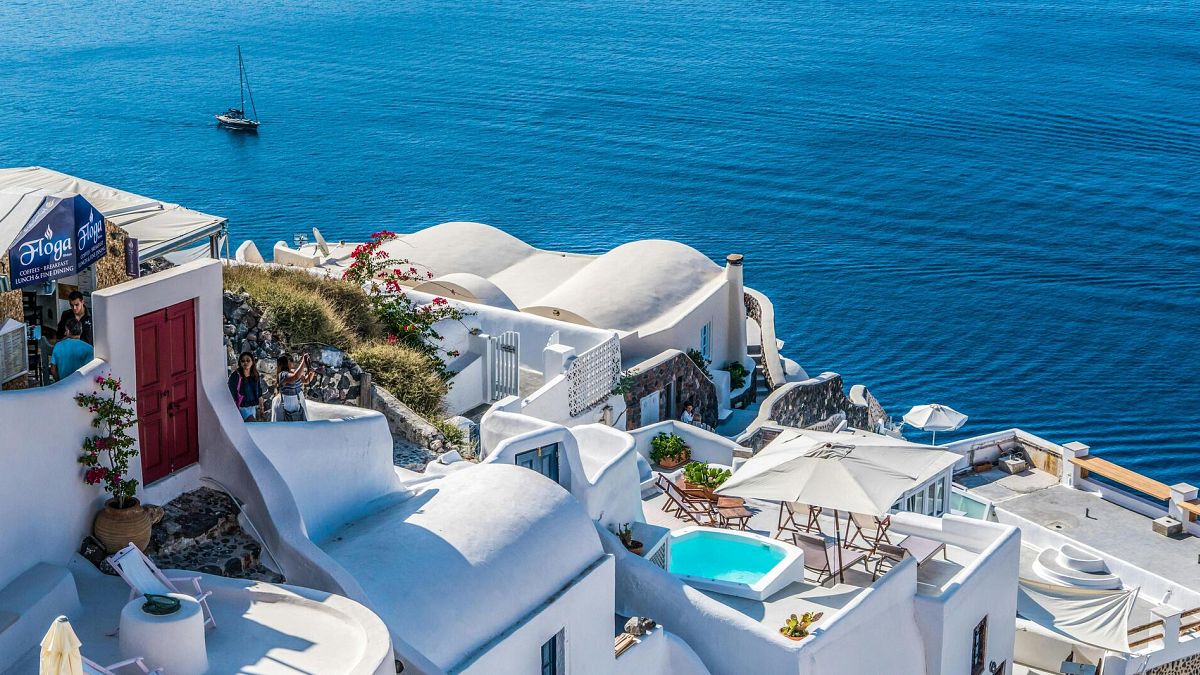
Recent tremors in Turkey, the Greek islands and Italy have already caused concern among travellers. In Santorini, one of Greece’s most visited destinations, local tourism officials estimate that arrivals could fall by as much as 25 per cent this year.
But many destinations will be as safe as they always are. The best approach to forecasting your summer travel is to stay informed, say McCulloch and Suarez.
Review your policy before travelling, speak to your insurer about what’s included and monitor official advisories. If the worst does happen, the right insurance could help you recover your losses or get home safely.
“Natural disasters are unpredictable, but your insurance shouldn’t be – as long as you take steps to make sure you’re properly informed of the protection it provides,” McCulloch says.