

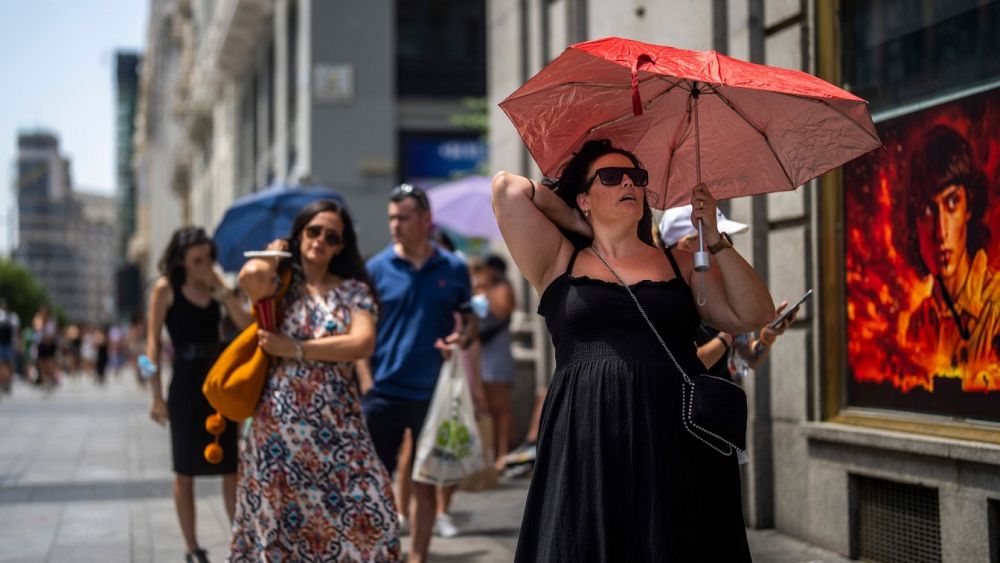
Extreme weather is changing the face of Europe’s top holiday destinations.
Last summer, drought and heat waves led to dried-up lakes, water rationing and deadly avalanches.
Winter brought little respite. In the face of historically low rainfall and warm weather, ski resorts were shuttered and famous canals ran dry.
For those who rely on tourist footfall for a living, it has been nothing short of devastating. And for travellers, it has given an alarming glimpse of what’s in store for our warming planet.
So are last year’s heat waves likely to return this summer and how could extreme weather impact your holidays?
How has Europe’s warm winter impacted holidaymakers?
Europe’s ski resorts are emerging from winter on the back foot. From France to Switzerland, snow sport destinations were forced to close as their slopes lay bare.
France ended 2022 with some of the highest temperatures in 25 years. In January - usually high season - French ski resort Ax 3 Domaines shut completely. Le Gets and Morzine, in the popular Portes de Soleil area, closed all but two runs.
Belarus, the Czech Republic, Denmark, Germany, Latvia, Lithuania, Poland, the Netherlands, Spain and Switzerland also welcomed the new year with record-high temperatures.
“I have never seen a forecast like this. Ever,” tweeted NASA climate scientist Ryan Stauffer, adding
“The climate implications are hard to ignore.”
Areas of the Czech Republic saw 19C, a temperature usually only reached in spring, while northern Spain basked in nearly 25C.
Destinations famed for winter sports are pivoting to retain visitor numbers. With climate change set to eliminate skiing in the low-altitude French ski resort of Métabief by 2035, new off-snow activities like a toboggan run, winter mountain biking, caving and guided horse rides have been introduced.
Warm weather continuing into 2023 has, in some cases, sparked off-season tourism.
Due to drought-induced low water levels, the islet of San Biagio in Italy’s Lake Garda became accessible via a narrow path. Walkers and cyclists rushed to take advantage of the phenomenon - though continued drought could negatively impact the lake as it moves into high season.
Elsewhere, low water levels have had a negative impact on tourism. Low tides and lack of rainfall have contributed to dry canals in Venice.
Although an annual occurrence, a prolonged period of high pressure has caused the phenomenon to drag on. As a result, gondola rides may not be as readily available and tourists are having to brush up on local tips for navigating the low waters.
Will your summer break be hit by more heat waves?
In summer 2022, extremely high temperatures hit Northern and western Europe. At best, this made life extremely uncomfortable - both for locals and tourists.
At worst, it caused devastating fatalities, with many countries facing drought, wildfires and crop failures.
These were dangerous conditions for travellers. Record-high July temperatures sparked an avalanche in the Italian Dolomites, killing 11 mountaineers and injuring eight more.
In other cases, the extreme weather birthed new attractions. Curiosities, from viking weapons in Norway to hunger stones in Germany, lured tourists to Europe’s dried-up rivers.
2023 is expected to get even hotter.
This is partly because a cooling weather pattern known as La Niña that has been in place for three years will come to an end. It is also due to greenhouse gas emissions pushing up temperatures, according to the UK’s Met Office.
How to plan your holiday around extreme weather
If you’re planning a trip this summer, check ahead for heat wave and drought warnings in your destination. Focusing your holiday budget on a spring getaway may help you avoid the most extreme temperatures.
Remember that swimming pools, fountains and lakes may be impacted in water-starved destinations. Also bear in mind that souvenirs that rely on rain for their production may be priced higher or less readily available.
You can help preserve your favourite holiday destinations by travelling more sustainably.
Consider taking the train instead of a plane to reduce climate-heating emissions. Ski resort Morzine has teamed up with Montagne Verte to provide discounts for anyone who arrives by train; these include reduced prices for ski passes, food, drinks and shopping.
Stay, shop and eat with local businesses, rather than global brands, to ensure your money benefits your destination.
Try visiting lesser-known destinations that are less strained by overtourism.