

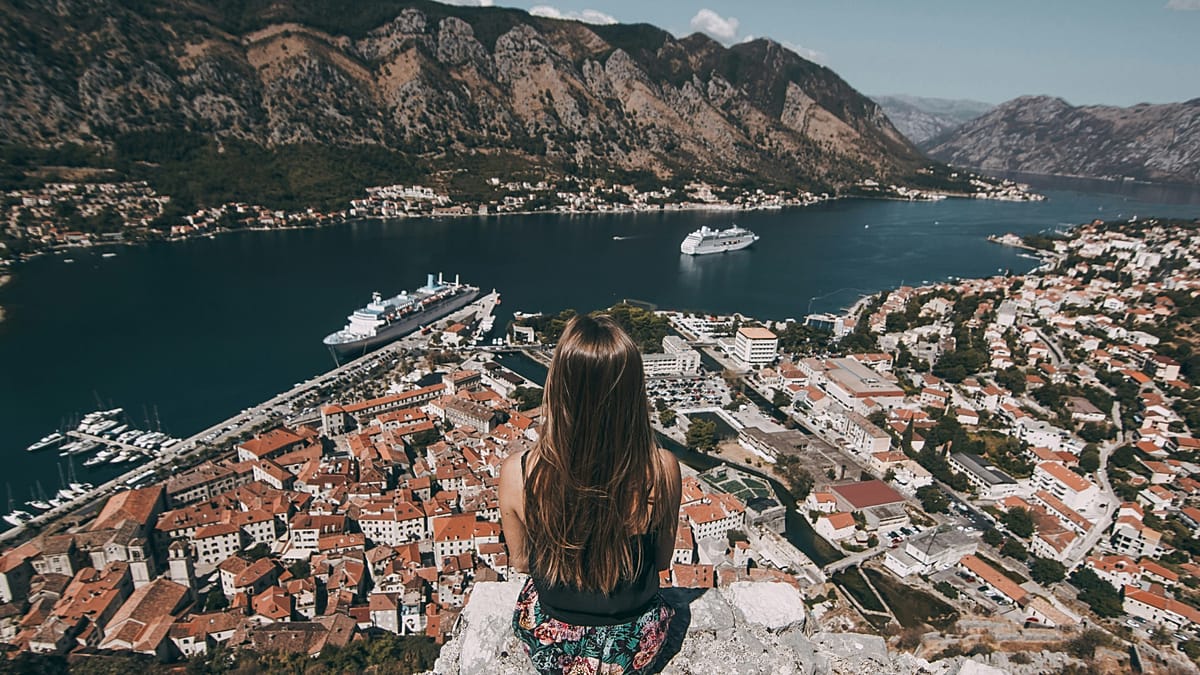
Kotor has quietly become one of Europe’s smartest summer escapes - but it remains very much under the radar.
 ADVERTISEMENT
ADVERTISEMENT
ADVERTISEMENT
Wedged between Montenegro’s dramatic mountains and the Adriatic coast, the medieval town offers the kind of scenery, history and waterfront charm travellers usually associate with far pricier Mediterranean hotspots, but without the eye-watering costs.
Now, it’s topped fintech company Zable’s list of the best value destinations for this summer, thanks to its relatively low travel costs and cost of living alongside a wide range of attractions.
Flights from major European hubs average €91, and high-season accommodation sits at around €975 for a week - a far more affordable figure than in many European destinations.
Tourist tax is relatively low, too, at about €4.60 per person for the entire stay, while Zable data reveals that a grocery shop is affordable, at around €36.50 for a full basket.
Aside from its affordability, there’s also plenty to do in Kotor, with nearly 200 highly-rated attractions on offer.
The spot boasts a UNESCO-listed Old Town, rich history, cobbled streets and stunning coastal scenery which rival better-known – and pricier – destinations.
Here’s everything you need to know about Kotor if you’re planning a visit.
Things to see and do
Kotor’s Old Town remains the main attraction, packed with winding stone alleyways, medieval churches, including the Romanesque cathedral, and lively squares. There’s also the fascinating Maritime Museum, which explores local seafaring history.
Be sure to climb the 1,300-plus steps to San Giovanni Fortress for sweeping views across the Bay of Kotor, especially at sunset.
For even more breathtaking views, take a ride on the Kotor cable car. It transports visitors from the sea-level Dub station up to Mount Lovćen in just 11 minutes, covering a 3.9km distance and climbing more than 1,300 metres. You’ll be rewarded with panoramic views of the Bay of Boka and the Adriatic coast beyond.
Boat trips to the tiny island church of Our Lady of the Rocks are hugely popular, and you can also take a ferry to nearby Perast, which offers elegant Venetian-style architecture and waterfront restaurants.
What to eat and drink in Kotor
Zable’s research found that the average cost of a meal at an inexpensive restaurant, a draft beer and a soft drink totals just over €15, making it remarkably affordable.
Seafood dominates menus in Kotor, with grilled squid, black risotto, octopus salad and fresh Adriatic fish appearing in most waterfront restaurants. Don’t miss the typical dish of “buzara”, mussels in a garlic and wine broth.
Montenegrin cuisine also leans heavily into cured meats, local cheeses and hearty Balkan dishes. Try Njeguški pršut, Montenegro’s famous smoked ham, often served with cheese and olives.
Burek pastries – layered filo filled with minced meat, cheese, or spinach – make a cheap and filling snack, while local wines, like Krstač, made from a rare, native white grape native to the Podgorica region, pair well with long seafood lunches overlooking the bay.
Strong Balkan coffee culture is everywhere too, with cafés spilling into Kotor’s old stone squares, and krempita – or custard pie – is a favourite option for pudding.
Where to stay in Kotor
Most visitors stay either inside Kotor’s Old Town or along the waterfront surrounding the bay. Boutique hotels set within converted stone palaces and mansions offer plenty of character, often with views over terracotta rooftops or the water.
For quieter stays, nearby Perast provides a more relaxed atmosphere, while Dobrota offers seafront apartments within walking distance of the Old Town. Luxury-loving travellers increasingly head to Porto Montenegro in nearby Tivat, home to stylish marinas, five-star hotels and beach clubs.
While prices naturally vary across dates and locations, a spot check by Euronews Travel found that a week’s stay at the end of June in well-rated properties in the Old Town can be secured for around €600, based on two people sharing.
How to get to Kotor
The easiest way to reach Kotor is via Tivat Airport, around 15 minutes away by car, with seasonal flights from several European cities.
Dubrovnik Airport in Croatia is another popular option. You’ll need to take a quick shuttle bus to the city centre, before taking a larger bus to Kotor, which takes roughly two hours, depending on border crossings and traffic.
Kotor itself is compact and walkable, although renting a car is useful for exploring the wider Bay of Kotor, Lovćen National Park and Montenegro’s Adriatic coastline.