

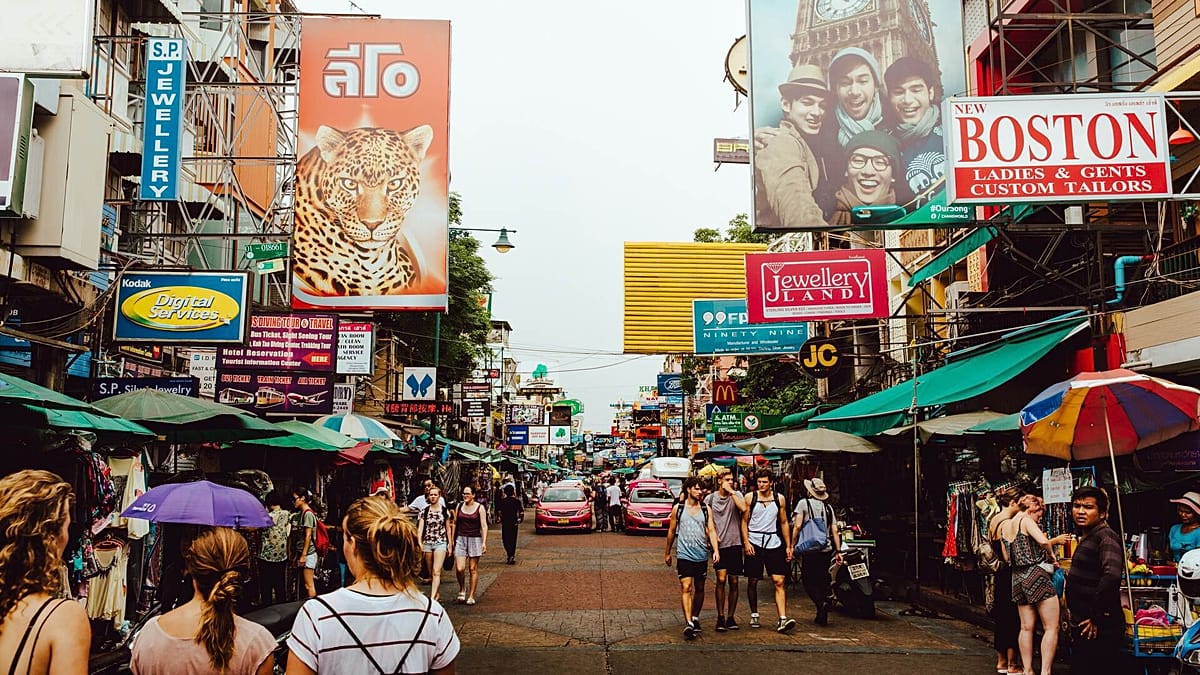
Thailand is one of the world’s most reliably carefree travel destinations, a place where backpackers, families, retirees and luxury jetsetters alike come for island-hopping, full moon beach parties, late-night street food and a famously easy-going vibe.
But beneath that reputation is a surprisingly strict approach to alcohol. Now, one of the country’s most long-standing restrictions on drinks is on the chopping block.
For decades, Thailand barred alcohol sales between 2 pm and 5 pm, a midday dry window that has often vexed and sometimes ensnared unsuspecting travellers.
On 3 December, that changed. Following a 15-day public consultation, the country’s Public Health Minister and National Alcohol Policy and Alcoholic Beverage Control Committees have put an end to the restriction altogether.
Why is the law changing now?
Despite the promise of sunny skies, the pull of one of the world’s greatest cuisines and a bump from the White Lotus, Thailand’s tourism industry is hurting.
Even with a rosy forecast over the peak winter season, the Tourism Authority of Thailand warned in October that the country is on track to welcome just 33.4 million visitors in 2025, down about 6 per cent from last year. It is the first annual decline in a decade, outside the pandemic.
The outlook for 2026 is only marginally brighter.
According to the government’s PR department, Thailand forecasts about 34 million international arrivals next year, but officials expect per-trip spending to stay low.
For a nation where tourism underpins everything from beach businesses to nightlife, officials are scrambling for ways to make the country more visitor-friendly.
Deputy Prime Minister Sophon Saram said the move aims to stimulate tourism and economic activity during peak periods such as the New Year and Songkran, Thailand’s water-soaked April festival that draws millions.
And the original logic behind the ban, he added, no longer holds.
“The afternoon sales ban was introduced long ago to prevent civil servants from drinking during office hours. But that era is over… so the ban should be lifted,” he told reporters outside Bangkok’s Government House on 13 November.
A law with a history that repeats itself
Thailand’s relationship with alcohol rules is a bit like a Mobius strip, endlessly looping through changes and reversals before ending up back where it started.
The 2 pm to 5 pm ban dates back to 1972, and successive governments have alternated between tightening controls and loosening them. Just last month, authorities briefly revived a regulation imposing THB 10,000 (€267) fines on anyone drinking at bars or restaurants during restricted hours – unwitting tourists included.
Until the recent change, alcohol sales were allowed from 11 am to 2 pm and 5 pm to midnight. Venues in designated nightlife zones in major tourist areas can legally serve drinks until 4 am.
Now, the three-hour afternoon ban has been removed. The midnight ban remains in effect, but a grace period of one hour will now be given to customers to finish their drinks.
The changes to the ban are part of discussions that could further expand drinking hours, though officials have yet to agree on how far these changes should go.
However, it is subject to a 180-day trial period, after which its impact will be assessed.
What does this mean for travellers?
Now approved by the prime minister’s office, the change removes one of the most confusing quirks of travelling in Thailand, where travellers often found themselves barred from buying a beer in the afternoon despite seeing bars buzzing with life.
For a country beloved for its spontaneity, from bar-hopping in Bangkok’s bustling neighbourhoods to meet-ups with new friends after sundowners on the beach, the change brings policy closer to the lived reality on the ground.
With its tourism industry stagnating, Thailand appears ready to do whatever it takes to keep its status as one of the world’s most irresistible holiday destinations.