

 ADVERTISEMENT
Every year, millions flock to Europe’s most popular beach destinations, dreaming of an idyllic escape. But for many, reality falls short of the picture-perfect hype.
According to a new report from cloud tech company Cloudwards, European beaches are among the most complained-about in the world – especially when it comes to overcrowding. The findings are based on TripAdvisor reviews of 200 of the world’s most visited beaches, analysed using keyword filters to identify the most frequent grievances.
From tightly packed sands in Sardinia to Greece’s round-the-clock parties, the report reveals the disconnect between the Instagram‑worthy images we find online and what people actually experience when they get there.
Europe dominates the global list for overcrowding
If you’ve ever walked a kilometre to find a bare patch of sand or shared the sea with a flotilla of inflatable unicorns, this won’t come as a shock: eight of the ten most criticised beaches for overcrowding are in Europe.
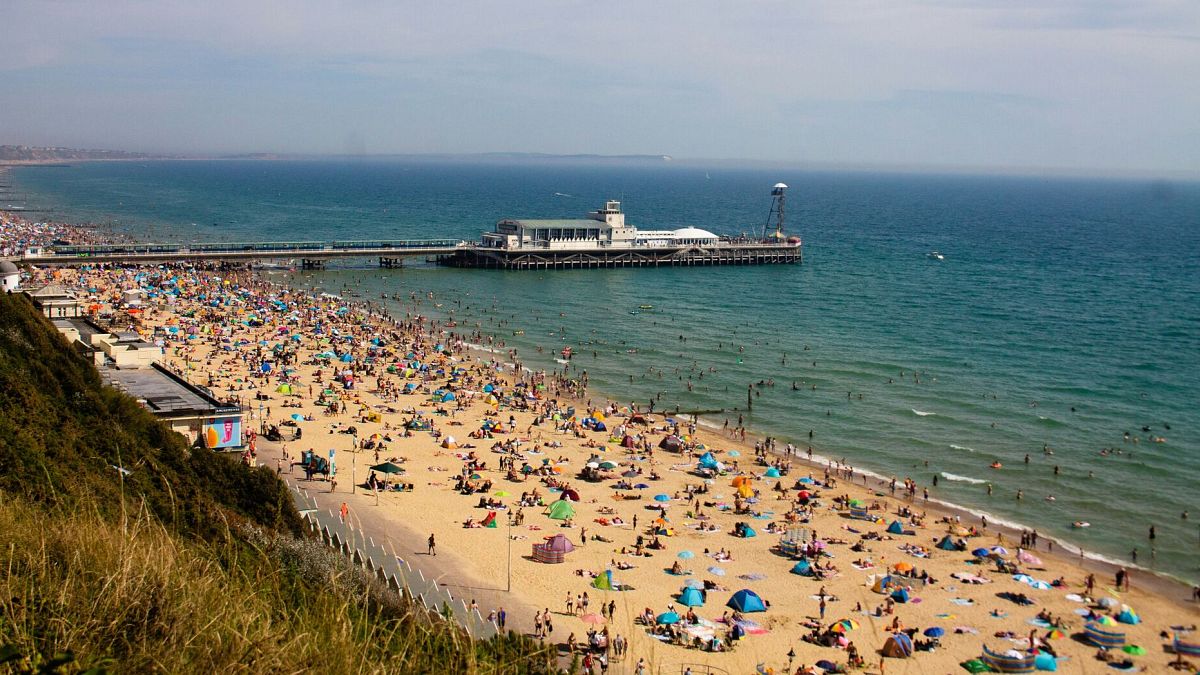
The UK’s Bournemouth Beach “topped” the list among European nations, ranking fifth overall globally, with frequent remarks about its cleanliness and crowds. But few European countries fare worse than Italy when it comes to overcrowding.
Sardinia’s La Pelosa – a stunning spit of sand surrounded by turquoise waters in the island’s northwest – topped the global chart for overcrowding complaints, with nearly 87 per cent of negative reviews mentioning crowd-related issues.
“It was a weekday morning in mid-September yet the crowds resembled central London/New York/Sydney on New Year’s Eve,” wrote one La Pelosa reviewer.
Spiaggia La Cinta, a five-kilometre stretch of white sand surrounded by junipers and dunes on Sardinia’s east coast, took second in this category.
Just behind Sardinia’s beachy jewels came Portugal’s Praia da Falésia – known for its golden sands and looming cliffs – and Ibiza’s Cala Comte and tiny Konnos Bay in Cyprus, often described as “a little slice of island paradise” despite the cramped conditions.
Greek beaches among the dirtiest and noisiest – and most popular
Greece fared better than some destinations when it came to overcrowding but stood out in other categories.
Balos Lagoon in Crete ranked 26th overall and seventh globally for dirtiness, with nearly half its complaints citing cleanliness, and 40 per cent citing overcrowding.
Elafonissi, another beloved Cretan beach known for its pink-hued sands and shallow waters, came in as the seventh most complained about beach globally. More than 70 per cent of its negative reviews mentioned overcrowding, though few mentioned noise or dirtiness.
Porto Katsiki, a postcard-ready beach on Lefkada Island in the Ionian Sea, landed in the global top ten for noise and disruption. Perhaps unsurprisingly, the World’s 50 Best Beaches also ranked it number 36 in 2025, illustrating how surging popularity can create outsized pressures on ecological landmarks.
How the rankings were compiled
Cloudwards analysed more than 1.3 million TripAdvisor reviews of 200 beaches around the world. They filtered negative reviews for keywords related to four main complaint categories: dirtiness, overcrowding, long queues and noise.
Each beach was then given a complaint score from 0 to 100, based on the frequency of those keywords. The higher the score, the more common the complaints.
That makes it even more jarring to see iconic destinations like Waikiki Beach in Hawaii receive a perfect 100 – for all the wrong reasons.
A wave of regulation could manage tourism pressure
Many of these destinations suffer from the same mix of factors: limited stretches of prime shoreline, peak-season congestion and viral social media fame that has outpaced infrastructure and put strain on local communities.
Some of the beaches flagged in the report are already taking steps to address overtourism and preserve their fragile environments – and maybe their reputations.
Sardinia has led the way in Europe with a slate of summer policies aimed at reducing damage to its most popular seaside spots. These include daily visitor caps, mandatory advance bookings and, in some cases, bans on bringing towels to prevent sand erosion.
In Greece, a new €20 entry fee was introduced in 2025 for cruise passengers visiting congested island hotspots such as Mykonos and Santorini.
Spain, meanwhile, has banned booze on some beaches and introduced fines to curb bad behaviour.
It’s all part of a wider reckoning with overtourism across Europe, from its cities to its seas.
This summer, the golden promise of a perfect beach holiday is being tested by crowds, chaos and the growing gap between expectation and experience. In an era of filtered photos and viral fame, even paradise might have a breaking point.