

 ADVERTISEMENT
According to the latest Eurostat data, only 26.6 per cent of Romanians could afford a one-week holiday last year, whether in the country or abroad.
In Europe, only Bulgaria came close to this number, while other continental neighbours in western and northern Europe had vastly higher figures.
On average, some 85 per cent of citizens of Sweden, Luxembourg and the Netherlands could afford a one-week annual holiday.
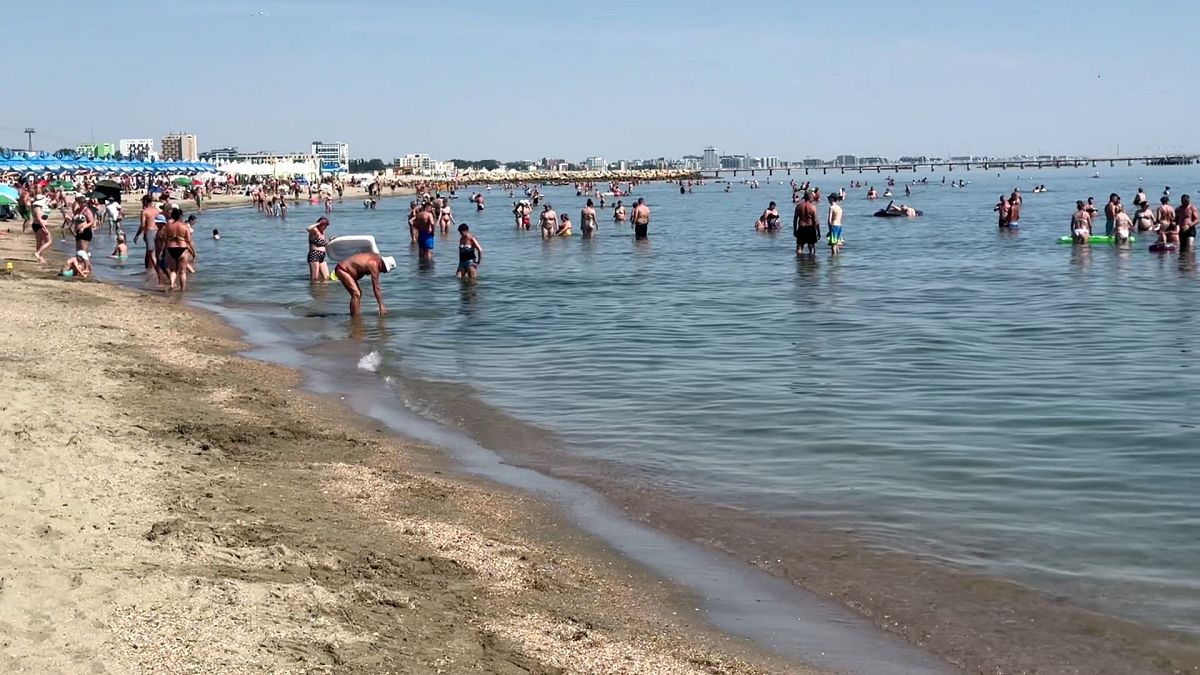
This has translated to a sharp decline in tourism in Romania, like in the once bustling Black Sea Mamaia resort, which now looks like a skeleton of its former self, with hundreds of sunbeds lying vacant.
“You can see clearly, you don't have to be an expert to figure it out. You check how much you earned last year, the same day and how much you earned this year the same day, it's a decrease of about 30-35 per cent,” says Răzvan Chițan, a beach manager at a Mamaia hotel.
Why are fewer people visiting Romania's Black Sea Mamaia resort?
The decline in holidaymakers is a result of multiple factors, from the war in Ukraine to economic concerns.
One main reason, however, is Bucharest’s decision to slash the value of the popular holiday voucher scheme, to the tune of 50 per cent.
These vouchers can be used to pay for hotel accommodation, food and drink and entertainment events within participating venues inside Romania, and aim to beef up local tourism, as well as attract foreign travellers.
Travel agents say that in May of 2024, roughly €95 million worth of holiday vouchers were sold, but this year, only €9 million worth were sold.
Hoteliers in the area say the decline has been severe, placing a serious strain on their businesses.
“Bookings are made for no more than two, three days, because tourists are fewer,” said Felicia Simion, a hotelier in Mamaia.
“In our unit, a room with breakfast is 350-400 Leu (€69-79) in July, with breakfast and sunbeds included. And the all-inclusive package varies from 700-850 Leu (€138-168) per night, all inclusive, sunbeds, drinks all day,” said Sebastian Puznava, also a hotelier.
Prices have skyrocketed
The decline in tourists mostly affects two and three-star hotels, where a majority of stays are paid for using the holiday vouchers.
But tourists also say that prices have skyrocketed as of late, also contributing to the downturn in bookings.
“Very expensive, so very expensive compared to previous years,” said Cătălin Ciobanu.
“Absolutely everything [increased in price], from a water bottle to the famous beer pint.”
“I haven’t calculated, let's say around 800-1,000 Leu (€158-197) maximum,” said Virgil Nohai, a tourist.
Last month, most bookings in seaside resorts were made for the weekends, whereas in previous years, people often stayed for a week or more. Most tourists this year have also chosen last-minute offers to maximise on savings and value.