

 ADVERTISEMENT
Foreign tourists in Japan have been sparking anger among residents after a spate of disrespectful acts.
A visitor from the US was arrested after he graffitied Tokyo’s Meiji Jingu shrine, a British man has been linked to a 13 million yen (€80,000) theft, and a Chilean tourist was videoed doing pull-ups on the gate of a shrine.
Such sensational misdemeanours are, thankfully, rare. But tourists can easily fall foul of behavioural expectations without even realising in Japan.
“Due to differences in culture and customs, what may be ‘obvious’ etiquette for Japanese people may not always be the case for foreign travellers,” the Japan Tourism Agency (JTA) explains.
“While tourism demand is steadily recovering and on a strong growth trajectory, there are some areas where the occurrence of tourists' bad manners is becoming a problem.”
The JTA has released new written and pictorial guides - with text in five languages - to promote respectful and responsible visitor behaviour.
Here are some of the top etiquette rules and customs to be aware of.
Be aware when taking photos and store your luggage: Japan’s etiquette tips for tourists
To combat overcrowding, the JTA campaign advises visitors to avoid hotspot destinations or attractions at peak times and instead sightsee on weekdays, in the early mornings, or at night to enjoy a more relaxed visit.
Tourists are also asked to avoid sightseeing during rush hours when the local people use public transport to commute to and from work or school.
Signs will indicate whether an attraction is open to visitors early in the morning or in the evening.
JTA encourages visitors to travel light by putting large suitcases and bags into a luggage-storage service, a locker, or a luggage courier, which will be signposted in popular tourist locations.
Respecting Japan’s cultural assets is another key rule.
“Japanese temples and shrines, which have great historical and cultural value, have been preserved for generations as the nexus of religious faith and symbols of their local areas,” the campaign material reads.
“Defacing cultural assets with graffiti or marks of any kind causes irreparable damage to these valuable structures, not to mention being a criminal offence.”
Tourists are also urged to dispose of rubbish and recycling in waste bins, or take it home with them.
ADVERTISEMENTTo support local communities, visitors are encouraged to buy local handicrafts and meals made with local ingredients.
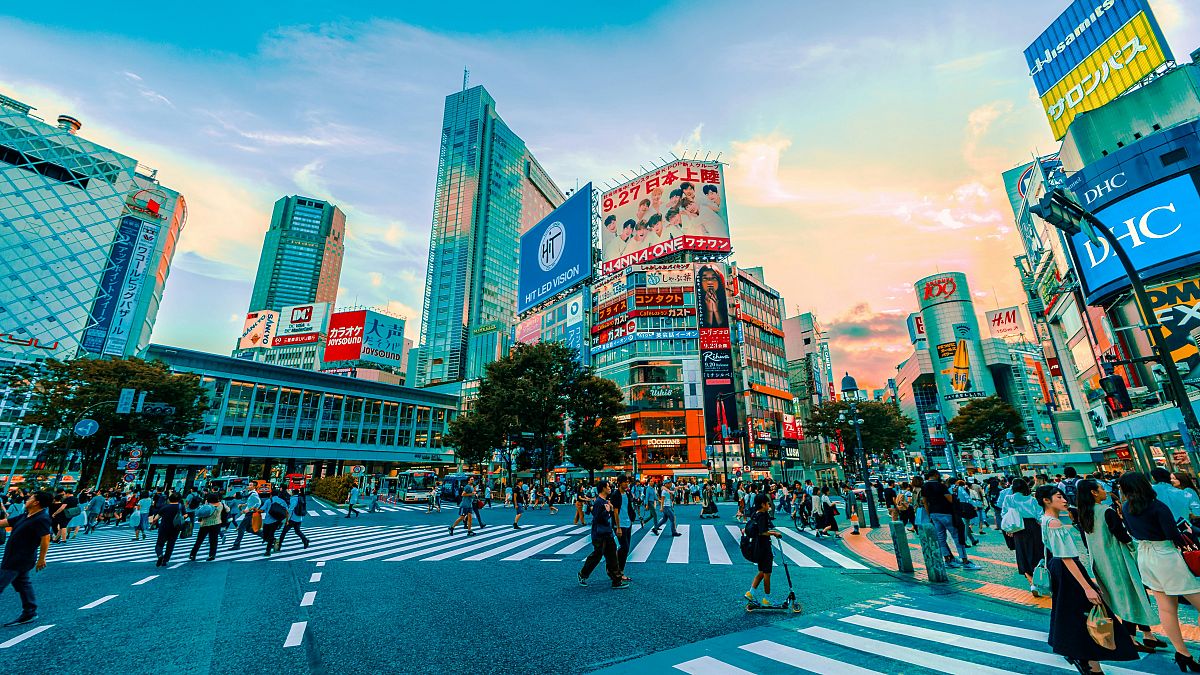
There will also be signs in busy areas advising visitors not to stop suddenly or block walkways, to be aware of their surroundings when taking photos, not to look at their phones while walking, and not to queue jump.
Is walking and eating ‘taboo’ in Japan?
Another sign you may see while exploring Japan instructs visitors not to eat while walking. This has a name in Japan - ‘tabearuki’ - and tourists are often warned against it as it’s believed that when you do eat and walk, you’re not respecting the food.
JTA encourages finding a quiet park to sit down and enjoy your snack instead.
ADVERTISEMENTAnd, as a general rule, you should avoid messy foods and lidless drinks, especially in crowded areas where you risk bumping into others.
In some places, such as food markets or festivals, eating on your feet is not frowned upon, but the general best practice is to step aside from the main crowd to consume your refreshments.
In Japan, you should tone down ‘PDA’ and loud chatting
Although not a hard and fast rule, visitors are encouraged to avoid excessive public displays of affection (PDA) and physical greetings like hugs and kisses.
“If you’re unsure of someone’s comfort level, simply bowing is usually the safest bet,” the Japan National Tourism Organisation advises.
ADVERTISEMENTSimilarly, you should lower your voice when having conversations, particularly in restaurants and on public transport.
The same applies to phone calls, which are banned outright on many transportation systems.
As a rule of thumb, match your voice level and manners to those around you, and you shouldn’t go wrong.