

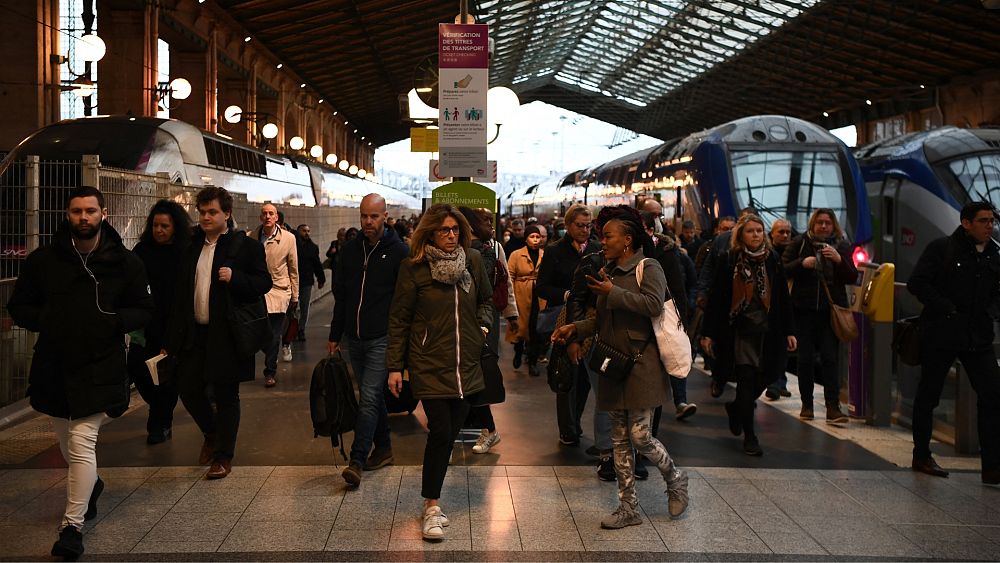
Some passengers facing rail delays and cancellations may no longer be eligible for compensation this summer.
New EU rules introduced on 7 June mean train operators are exempt from paying up under certain conditions. Passengers previously had the right to claim back 25 per cent of their ticket price for delays of over an hour and 50 per cent for more than two hours delay in most circumstances.
But new rules mean companies won’t have to pay compensation in the event of a “force majeure” or extraordinary circumstances. This means events outside the rail operators' reasonable control such as storms, flooding, terrorist attacks or pandemics.
The new rules only apply if the company can’t prevent or avoid delays or cancellations caused by these events. Strikes don’t count as extraordinary circumstances and rail operators will still have to fulfil other obligations like reimbursing ticket costs or rerouting passengers.
The European Commission says the move is intended to “establish a level playing field with other transport modes”. It says in the future a new EU-wide standardised compensation and reimbursement form will be developed.
EU claims new rules offer better protection for passengers
Despite changes to compensation, the new rules introduced on Wednesday do include some extra protections for passengers.
If travel is disrupted and they aren’t offered a solution to continue the journey within 100 minutes, they have a new right to “self-rerouting”. This means passengers will be able to organise their own travel by rail or bus and be reimbursed by the rail company for the “necessary, appropriate and reasonable” cost of the new ticket.
New rules also include regulations on “through tickets” - when connecting train tickets are sold together. Passengers have more rights if they miss a connection, including ticket reimbursement or compensation, accommodation when a journey cannot continue on the same day, and refreshments.
“We need strong and modern rail passenger rights to attract more people to rail and contribute to our climate goals,” says Commissioner for Mobility and Transport Adina Vălean.
“The new rules will improve protection for rail passengers faced with delays, cancellations and missed connections.”
How do new rules aim to improve travel for disabled passengers?
There are small improvements for disabled passengers and those with reduced mobility too - though campaigners say they still fall far short of ensuring barrier-free travel.
The rules now mean rail operators can’t require them to be accompanied by another person unless it is strictly necessary. If this is the case then their accompanying person is entitled to travel free of charge and be seated near the person they are assisting.
The pre-notification period for assistance requests has also been reduced to 24 hours and railway stations must have a central point of contact for these requests. This is significantly shorter than other modes of transport with buses and coaches requiring 36 hours and 48 hours for flights and ferries.