

 ADVERTISEMENT
This summer has seen dozens of heatwaves bake Europe, creating prime conditions for wildfires to break out, particularly in Greece and Türkiye.
Summer blazes are common in the eastern Mediterranean region, where experts warn that climate change is exacerbating the situation.
If you are planning to travel to wildfire-prone areas this summer, here are some precautions you can take to ensure your safety should an emergency situation occur.
Europe battles dozens of wildfires
June and July have seen wildfires erupt over swathes of heat-scorched Europe.
On Monday, Forestry Minister Ibrahim Yumakli said Türkiye faced a “very risky week” for outbreaks after blazes neared Bursa, the country's fourth-largest city, over the weekend.
More than 3,500 people were forced to flee their homes, and three volunteer firefighters tackling the flames were killed after their water tanker overturned, local news agency IHA reported.
Separately, officials said earlier on Sunday, a firefighter died of a heart attack while battling a blaze. The fatalities brought the total deaths over the past month to 17, including 10 rescue volunteers and forestry workers killed in a wildfire in the western city of Eskisehir.
A wildfire erupted on Monday in forests outside the western port city of Izmir, where 11 aircraft were helping ground-based fire units and residents battle the blaze.
The government had earlier declared disaster areas in two western provinces, Izmir and Bilecik.
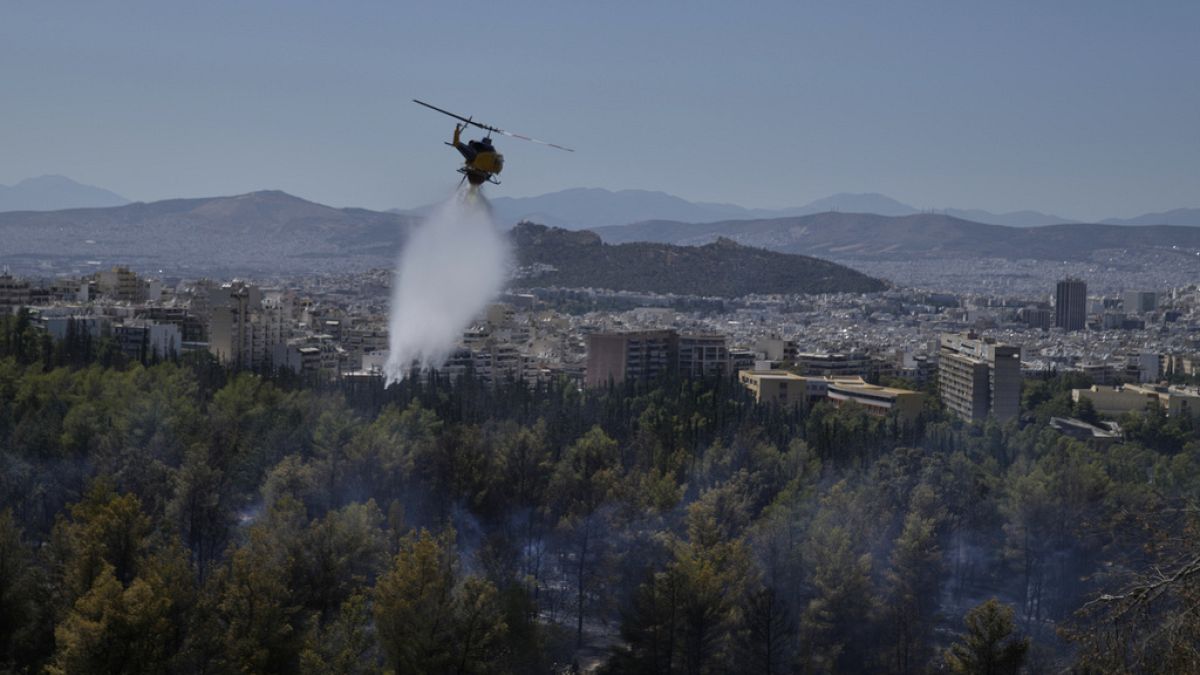
In Greece, firefighters raced to tackle a wildfire that broke out on Monday near a university campus close to the centre of Athens.
Water-dropping planes and helicopters reinforced 110 firefighters on the ground, the fire department said.
A waning fire on the island of Kythera, which lies south of the Peloponnese, was reinvigorated by strong winds. Over the weekend, the blaze burned through around 10 per cent of the small island’s land mass, triggering the evacuation of several villages.
Earlier in July, a coastal wildfire broke out on the island of Crete, where more than 5,000 tourists, hotel workers and residents were evacuated from seaside areas on the south coast.
How to prepare for a holiday in wildfire-prone destinations this summer
A key precautionary measure when visiting wildfire-prone destinations is staying informed of any warnings.
Before your trip, research the specific area you're visiting and be aware of the fire danger ratings and local emergency procedures.
Ensure that your mobile phone is registered to receive emergency alerts. You can do this by going into Settings, followed by Notifications, and Enabling Alerts.
Monitor local news, weather forecasts, and fire updates through official channels like emergency apps and websites.
If travelling to Greece, for example, register for alerts from the Greek government’s Emergency Communication Service. You should also follow @112Greece on X for official updates.
The UK government also recommends preparing a ‘grab bag’ of essentials, including passports and ID cards, mobile phones and chargers, money and bank cards, essential medicine, and insurance documents.
Ensure you have the right travel insurance for wildfire coverage
When booking travel insurance, make sure you choose a policy that will refund you or entitle you to compensation should wildfires affect your holiday.
This is particularly important if you choose not to go ahead with your trip, even if the airline, tour operator or accommodation has not cancelled your bookings.
This is because, without an official ‘no-go’ warning from foreign governments, travellers who choose not to go ahead with their trip are unlikely to receive reimbursement or compensation, as this is considered “disinclination to travel”.
The vast majority of travel insurance policies will also not cover situations of “loss of enjoyment” due to wildfires, which includes being unable to leave your hotel.
Travellers can only expect refunds if their flights or accommodation are cancelled by airlines, providers or tour companies.
Some insurance policies include trip disruption or natural disaster cover, which usually applies to wildfire-related issues, but not every company will offer this, so make sure you have the correct insurance before you leave.