

 ADVERTISEMENT
Earlier this year, Air France-KLM spoke out about the challenges the airline faced in reinstating flights between Europe and China to what they were pre-pandemic.
The general manager for Greater China Wouter Vermeulen cited the restrictions on flying over Russian airspace as a significant obstacle.
He added that European airlines have not been able to compete on a “level playing field” with Chinese counterparts, who are permitted to use Russian airspace.
Since the invasion of Ukraine in 2022, countries placed sanctions on Russia and its airlines. In retaliation, Russia has limited access to its airspace to just a few nations and carriers.
Those not permitted to fly over the country have had to take alternative routes resulting in longer journey times. This means rising operational costs and airfares.
Which airlines can fly over Russia?
Following the introduction of sanctions, Russia closed its airspace to most airlines.
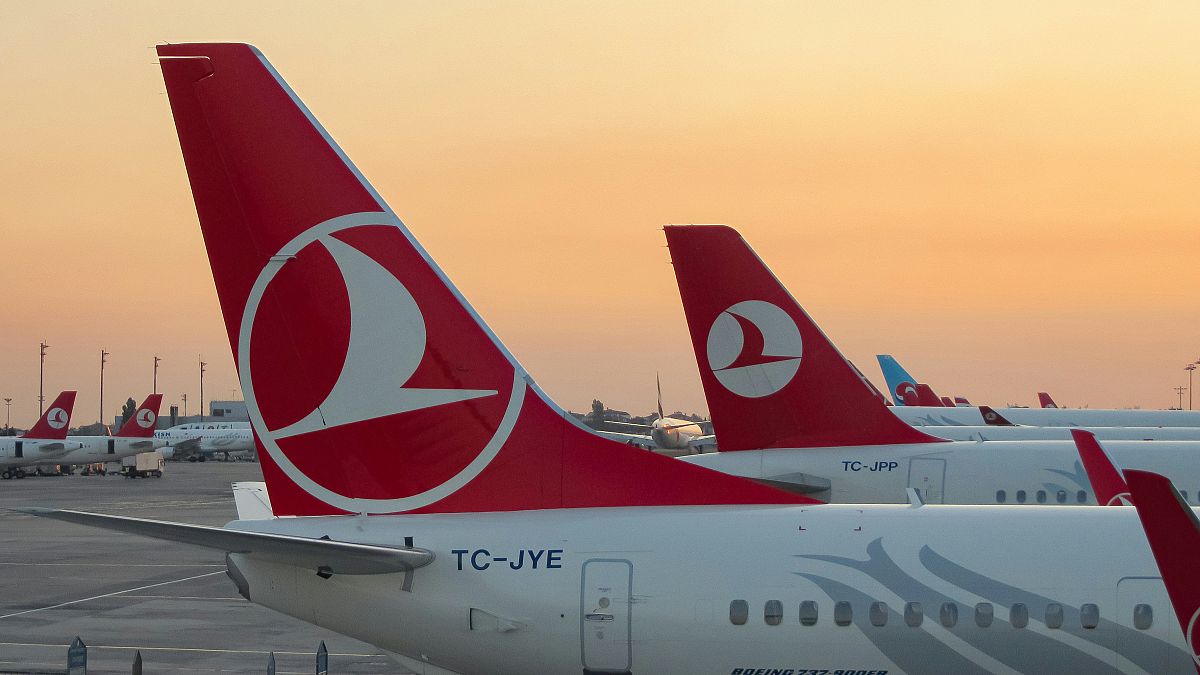
Only four European carriers are exempt due to their diplomatic ties with Moscow. These are Air Serbia, Turkish Airlines, Pegasus Airlines and Belavia.
Turkish Airlines flies to seven airports in Russia while Air Serbia continues to serve Moscow, St. Petersburg, Kazan and Sochi.
China has the largest number of airlines using Russian airspace. Beijing Capital Airlines, China Eastern, China Southern, Air China, Xiamen Air and Hainan Airlines fly over Russia to reach many destinations in Western Europe.
Emirates, Etihad and Qatar Airways are also still operating in Russian airspace.
Does not being able to fly over Russia change flight times and prices?
In order to avoid Russian airspace, many flights between Europe and Asia are now significantly longer.
Airlines now have to fly further south over areas like Turkey, Central Asia, China and Mongolia.
Airlines including British Airways (BA), Finnair, KLM and Lufthansa have had to add one to three hours to journeys due to alternative routes.
For example, BA’s flight between New Delhi and London now takes an extra hour while London to Tokyo has gone from 12 to 14 hours.
Finnair’s Helsinki to Tokyo route has been lengthened by four hours to become a 13-hour journey.
Longer journeys also mean extra costs for airlines due to increases in fuel consumption and the length of shifts for cabin crew and pilots.
As a result, airfares have been pushed up. According to Business Traveler USA, the cost of flying from New York to New Delhi in April 2023 on Air India was nearly $1,500 (€1,380) with a flight time of 13 hours and 40 minutes.
The same journey on a US airline cost $1,740 (€1,610) and was scheduled to take approximately 14 hours and 55 minutes.