

 ADVERTISEMENT
The EU's post-Brexit Entry/Exit System (EES) will launch on 10 November, EU Home Affairs Commissioner Ylva Johansson has confirmed.
“The moment is finally there. There may have been times you believed it will never happen,” Johansson said during a visit to the Tallinn-based eu-LISA, the EU agency in charge of the IT infrastructure behind the EES.
“But it's going to happen. Everything is coming together. We're in the final testing phase. There is a real momentum now. Carriers, operators, train stations, airports, everyone is getting ready for the big day.”
The EES was first slated to launch in 2022 but has faced multiple setbacks due to IT issues and delays in installing the automated barriers required at all international land, maritime and air borders in the Schengen Area.
When it becomes operational in autumn, non-EU travellers entering the Schengen Area will face new border controls.
Which travellers will need to use the EES?
The Entry/Exit Systemwill be an automated registration system for UK and other non-EU travellers who don’t require a visa to enter the EU.
Travellers will need to scan their passports or other travel document at a self-service kiosk each time they cross an EU external border. It will not apply to legal EU citizens or residents or those with long-stay visas.
The system will register the traveller’s name, biometric data, and the date and place of entry and exit. Facial scans and fingerprint data will be taken every three years and are valid for multiple trips within that period.
It will apply when entering all EU member states, apart from Cyprus and Ireland, as well as four non-EU countries in the Schengen Area: Iceland, Lichtenstein, Norway and Switzerland.
The EES is being introduced to bolster border security and identify travellers who overstay their permitted time in the Schengen Area (90 days within a 180 day period).
“With the EES we will know exactly who enters the Schengen area with a foreign passport,” Johansson said.
“We will know if people stay too long, countering irregular migration. And the EES will make it harder for criminals, terrorists or Russian spies to use fake passports thanks to biometric identification, photos and fingerprints.”
Will the EES cause travel delays?
In the UK and elsewhere, there are concerns that the EES could increase delays at border checkpoints.
In a European Council report released by non-profit Statewatch, various countries express concern over the EES implementation delays. Last year, they said the amount of time they will have to test the system prior to its launch was rapidly decreasing.
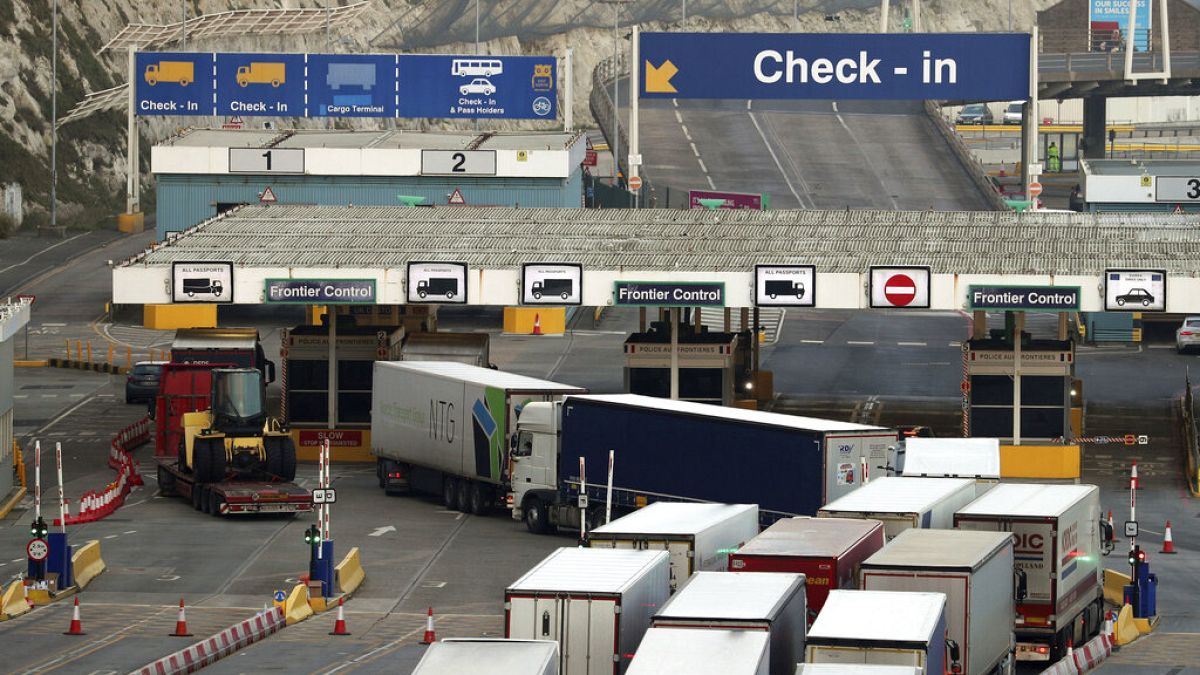
French authorities will operate EES border checks at the UK’s Port of Dover, Eurostar and Eurotunnel. They are currently working with the UK government to minimise the system’s impact on border flows and traffic, but express concern about potential waiting times.
ADVERTISEMENTGovernment agencies and representatives for the tourism industry have said that the EES will likely cause long queues for ferry traffic sailing from Dover to Calais.
Guy Opperman, a minister in the UK’s transport department, has since explained the scheme will have a “six-month soft launch” to make the process more simple.
“If one got to a situation where there were a certain amount of queues or delays, then the provisions of the precautionary flexibility measures allow for much greater freedom of passage of vehicles, coaches, HGVs and cars,” he said. “That takes care of so much of the queuing, so many of the complications.”
Other countries are still working on EES implementation plans, too. The European Commission has suggested that the system may need to be introduced in a gradual and flexible way to reduce the likelihood of long waiting times at borders.
ADVERTISEMENTIs ETIAS still on track?
Roughly six months after the launch of the EES will see the introduction of the European Travel Information and Authorisation System (ETIAS).
This new scheme obligates non-EU citizens who do not require an EU visa to gain travel authorisation to enter the bloc (as opposed to the EES which is a monitoring system of border crossings by third-country nationals). The visa waiver will be mandatory for anyone wishing to visit the Schengen Area short term.
ETIAS was originally set to be operational from November 2023. However, the European Commission now states that it will come into force in 2025.
While an exact date is not provided, the EU has previously indicated that it will be introduced five to six months after EES. There may be an implementation period where it is gradually introduced alongside the Entry/Exit System.
ADVERTISEMENTTravellers will be able to apply for ETIAS online before their trip at a cost of €7. Once approved, the electronic travel authorisation will be electronically linked to their passport and will last for three years.
Click here for full details on the ETIAS.