

 ADVERTISEMENT
A partial shutdown of the US government is looming and it could cause disruption for travellers across the country.
Unless the US Congress passes government funding legislation that President Joe Biden can sign into law by midnight on Saturday 1 October, hundreds of thousands of federal workers could be furloughed. It would affect a range of services from national parks to airports.
The US Travel Association has warned that a government shutdown could cost the tourism industry as much as $140 million (€133 million) a day.
But what does that actually mean for travellers?
Will a government shutdown affect flights in the US?
Many essential travel services such as airport security and passport or visa processing will continue.
But, US Transport Secretary Pete Buttigieg warned on Wednesday that a partial government shutdown could still disrupt air travel.
According to the White House, past government shutdowns have caused “significant delays and longer wait times” for travellers. Transport Security Administration (TSA) workers and air traffic controllers are still required to work - but they don’t get paid during this time. Instead, they have to wait until the shutdown ends to get their paycheck.
Buttigieg said it could mean that thousands of air traffic controllers have to be furloughed and training stopped for more than 1,000 more. Shortages of air traffic controllers have been causing prolonged flight disruption in the US and the Federation Aviation Authority has already said that it is behind on its yearly training targets.
During 2019’s 35-day shutdown, unexpected absences among air traffic control and TSA workers also went up, leading to increased waiting times at some airports. A short shutdown is likely to have little effect but if it lasts in the long term, it could mean more significant disruption for air travel.
How else could tourists be affected by the government shutdown?
With the leaves turning autumnal, it is peak season for people to take in the colours at parks across the country.
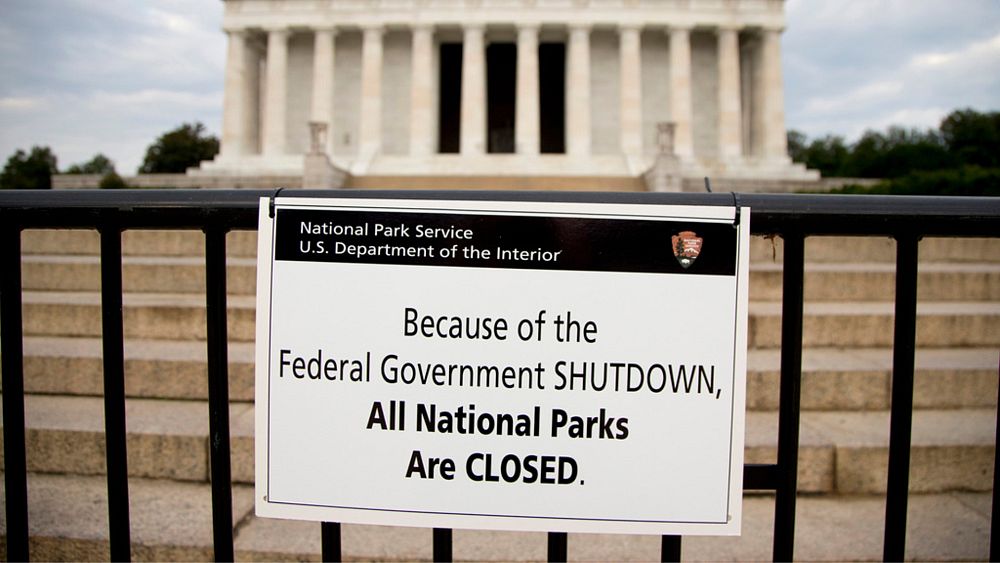
The 425 national parks across the US and a range of different historic monuments will close during a government shutdown. That includes historic houses, battlefields, museums and all of the amenities at national parks such as visitor centres, campgrounds and educational programmes.
The National Parks Conservation Association strongly recommends against visiting parks during the shutdown as there are likely to be very few if any staff. This is a health and safety concern and visiting could also impact the protection of wildlife and natural and cultural resources.
Many parks and monuments stayed open during the 2018 and 2019 shutdowns due to state funding but there was no trash collection and facilities like toilets were closed. There were also increased reports of major vandalism and damage.
Some states have already said they are planning to try and keep their national parks open in the event of a shutdown - including the Grand Canyon in Arizona.
The National Parks Service says that during the government shutdown in 2013, the closure of all national parks and monuments resulted in $500 million (€474 million) of lost tourism income.
It's also worth considering that road maintenance is unlikely to happen. If you are in an area affected by snow, it may not be cleared and could make journeys dangerous. Some rescue and safety services could also be limited.
Should you cancel your travel plans?
Around 6 in 10 Americans say they would cancel or avoid air travel in the event of a shutdown according to Ipsos and US Travel. Unfortunately, your travel insurance is unlikely to refund your trip if you decide to do this.
So what are the alternatives? For one, passengers should have a bit more patience with airport staff who may be stressed and stretched thin due to the shutdown.
ADVERTISEMENTIf you had planned to travel to a national park, all might not be lost. Many sites next to public land are likely to be open as well as attractions and restaurants run by private owners. Contact your accommodation provider to see if they have any suggestions and find out what their recommendations are about your stay.
For those planning to camp in a national park, you could look for a different site in an alternative area. State parks, for example, are often less busy and won’t be affected by the shutdown.