

If you’re curious about becoming a digital nomad, you’ll likely have a lot of questions about how it works.
From how to pay taxes to where to find accommodation, there’s a lot to consider before launching into the lifestyle.
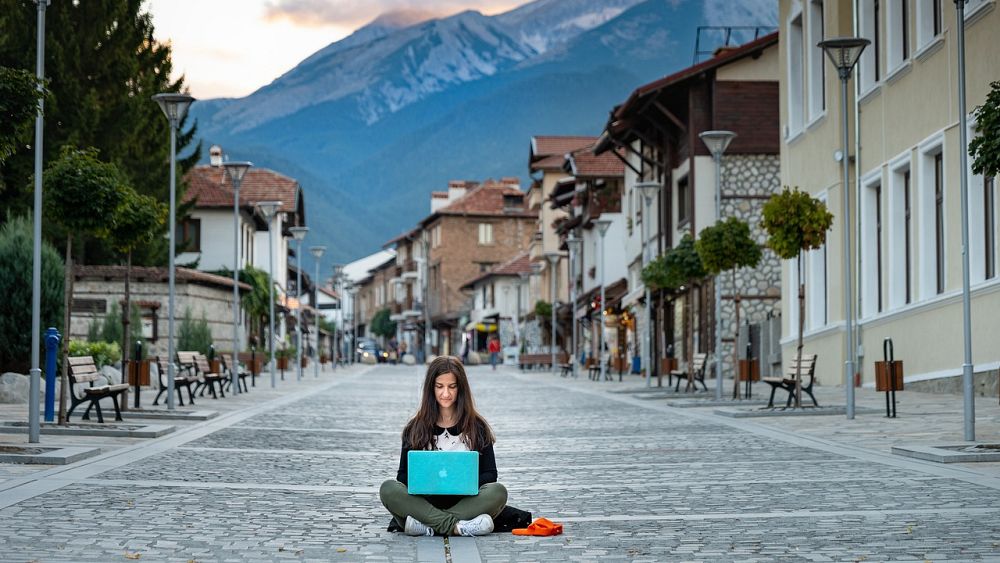
Digital nomads travel from location to location working remotely using technology and the internet.
One of the best ways of getting information is by talking to those who have experience as digital nomads.
Luckily, the housing platform Flatio has done some research to help you.
The company asked 1,200 digital nomads of different ages, genders and nationalities about their frustrations, motivations and favourite destinations.
Here’s what their 2023 report reveals about work, lifestyle and demographics.
Where are most digital nomads from?
The Flatio report includes information about the demographics of digital nomads.
Out of those surveyed, the greatest proportion were from the US (37 per cent) followed by the UK (12 per cent) and Germany (5 per cent).
Just over half of the digital nomads are aged 30-39 and nearly 23 per cent are between 18 and 29.
Gender is reasonably balanced, with 55 per cent male and 44 per cent female.
How do digital nomads choose a destination?
The report revealed that the most important factor for digital nomads when choosing a new destination is cost - nearly half of those surveyed ranked this top.
Other aspects they consider are sunshine, safety, wifi quality and healthcare services.
Portugal is the most popular destination for digital nomads, followed by Thailand, Spain and Argentina.
When asked which destinations the digital nomads were most excited to visit next, Spain came in first place ahead of Brazil, Madeira and Sri Lanka.
What kind of work do digital nomads do?
The Flatio survey found that just over a third of digital nomads are freelancers, just under a third are full-time employed and around 13 per cent are entrepreneurs or business owners.
IT and technology and media, advertising, PR and marketing were the most common industry sectors followed by entrepreneurship and arts, culture and entertainment.
How much do you need to earn a month to be a digital nomad?
Of those surveyed, just over 25 per cent say that you need to earn between €3,000 and €3,900 a month to be a digital nomad.
Just over 20 per cent opted for the €2,000 - €2,900 bracket and 18 per cent say digital nomads need to earn €4,000 - €4,900.
Where do digital nomads usually pay taxes?
The majority (66 per cent) of digital nomads surveyed say they pay taxes to their home country. Only 19.4 per cent pay taxes to a different country.
What is the most difficult part of being a digital nomad?
The Flatio report found that digital nomads rank finding accommodation as the most frustrating part of the lifestyle.
Those surveyed said they tend to look for accommodation on Airbnb, booking.com and Facebook groups.
Private apartments and hotel rooms are the most common choice of accommodation followed by private rooms and hostels.
A quarter of those surveyed spend €501 - €700 a month on rent and just under 20 per cent spend €301 - €500.
Finding friends and meeting people came in second as the most difficult part of being a digital nomad. Tax issues was voted third.
What are the benefits of digital nomad visas?
The survey group was split fairly evenly on the topic of digital nomads visas. Just over 46 per cent say they use them while 44 per cent don’t.
Over 60 per cent think they are beneficial, while 15 per cent think they need work and 7 per cent don’t think they’re useful.
Asked about Spain and Portugal’s digital nomad visas in particular, around 60 per cent of those surveyed say they are beneficial.