

 ADVERTISEMENT
Algeria might be on lots of travellers’ bucket lists for its vast deserts and sun-kissed beaches, but it is also home to hundreds of spectacular natural hot springs.
The North African country is now an emerging wellness destination as tourists discover its nearly 300 thermal springs and burgeoning spa sector.
These therapeutic facilities are already popular with Algerians seeking their health benefits - in fact, they have been sought out for millennia by Romans, Berber tribes and Ottoman sultans.
Choose from nearly 300 thermal springs in Algeria
There are 282 thermal springs in Algeria, according to a 2015 study scattered around 40 of the country’s wilayas (states). Around two-thirds of these are natural springs and the remainder are boreholes.
Around half of Algeria’s hot springs are concentrated in the north of the country with 93 found in the northeast.
There are also 82 thermal springs in the south of the country.
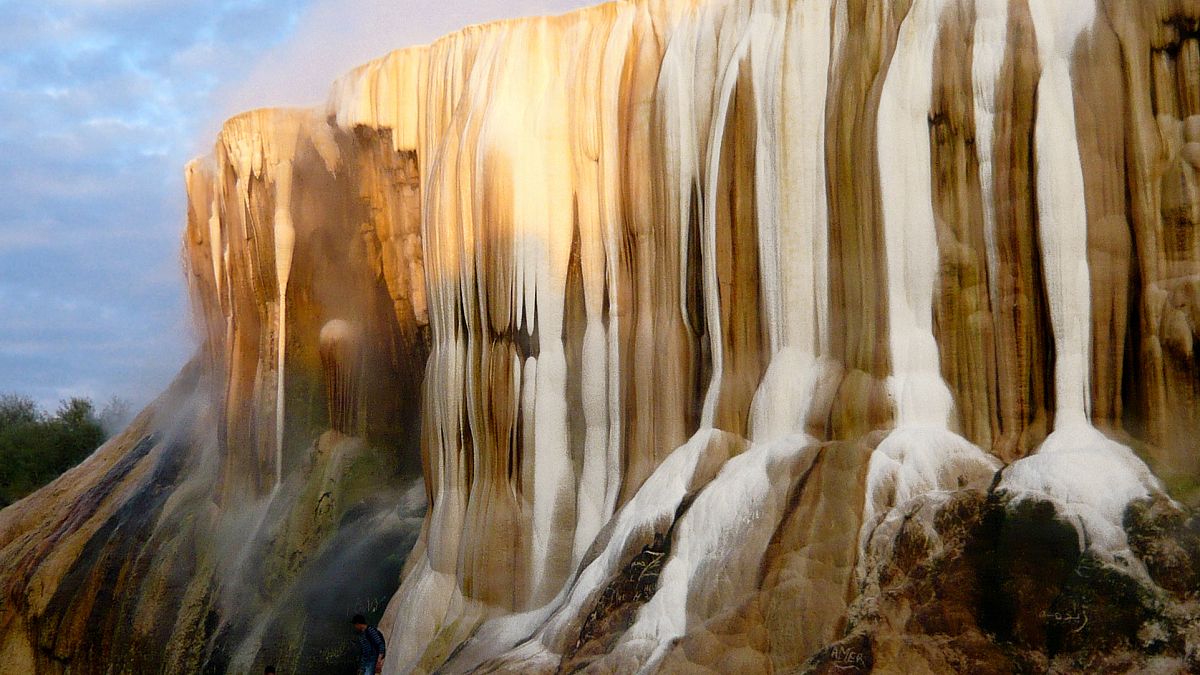
The Hammam Maskhoutine in the Guelma province is one of the most popular locations, attracting visitors since the Roman era. It is famed for its monumental travertine walls and mineral-rich waters.
At the Hammam Essalihine in the northeastern Khenchela province, visitors bathe surrounded by 2,000-year-old Roman ruins.
Visit Algeria for spas and hammams
Alongside Algeria’s natural hot springs are a growing number of spa facilities and hammams.
There are 35 spas in the country, eight in the public sector and 27 in the private sector.
Most include accommodation facilities like hotels and bungalows, with a total capacity of around 4,300 beds.
There are also some 40 traditional baths, known as hammams, which also offer visitor accommodation.
The curative benefits of thermal springs
Thermal water is thought to have multiple health benefits thanks to its chemical makeup of therapeutic minerals.
In Algeria, natural springs are used to treat rheumatism, respiratory ailments and dermatological conditions, as well as gastric, intestinal and biliary ailments.
Sulphur, present in the waters of Hammam Maskhoutine for example, is thought to be beneficial for skin conditions while magnesium aids stress relief and relaxation.
ADVERTISEMENTThe country’s spas and springs are already popular with elderly people seeking cures. Some company employees also receive spa trips as a health benefit.
Many other Algerians visit for a day out, especially with family, and take advantage of the nearby attractions like the natural landscapes or picnic areas.