

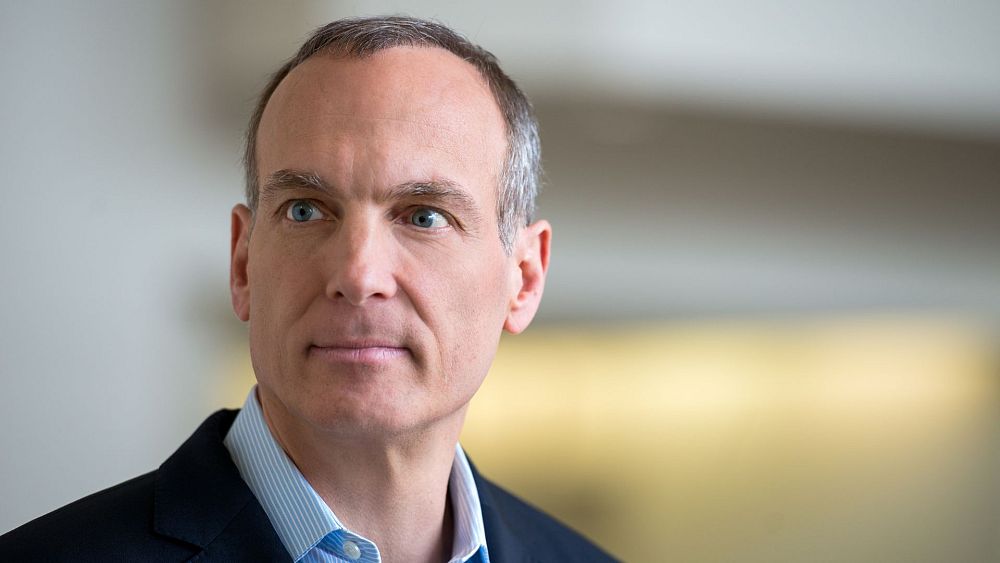
Travel is recovering from the effects of COVID-19 but “we’re not there yet,” says Glenn Fogel, CEO of leading online travel platform Booking.com.
Speaking at the ETC’s Destination Europe Summit yesterday (27 June), he warned against glossing over the turbulence of recent years.
“We're coming back from what was one of the worst tragedies that the entire world has experienced,” Glenn explains.
“We should always remember the past so we can learn from things that were done well and things that could have been done better.”
Travel may feel like it’s back in full swing in Europe as popular destinations are overrun with tourists, but visitor numbers from some places - including Asia - are yet to return to pre-pandemic levels.
Still, the outlook is bright, according to Glenn. Here’s what he says has changed for the better since the pandemic - and what’s in store for the future.
Have hotel booking habits changed since the pandemic?
Travellers changed their behaviour during COVID - and some of those changes are here to stay.
“People went to places where they could be isolated and be safe,” says Glenn. For Booking.com, this meant a spike in short-term rentals and a change in travellers’ perspectives on where was a good place to stay.
“People who never thought of using a short-term rental or an alternative accommodation…[said] ‘Oh, this isn't a bad way to travel!’”
Although many travellers have returned to hotels in recent months, Booking.com says so-called ‘alternative accommodations’ are on the up. They now account for around a third of the company’s bookings.
Are travellers spending less due to the cost of living crisis?
The rising cost of living has been on everyone’s mind over the past year and it's hit travel as much as any other sector.
Prices are up, wages are stagnant and workers are striking. Another summer of airport chaos is on the horizon.
Yet holidaymakers aren’t ready to give up their travels just yet. Last year an ABTA survey found that more than 60 per cent of people in the UK planned to travel in 2023.
Last year, more than 60 per cent of ABTA survey respondents in the UK said they planned to travel in 2023. And more than a third said they’d like to take more holidays than before the pandemic.
Now they are doing just that and travellers aren’t curbing their holiday spending either.
“We haven't seen anybody pulling back in terms of going from a high-star rated hotel to low-star or shortening the length of stay,” says Glenn.
“Of course, everybody's concerned about the economy, particularly in Europe. So we'll see how that plays out over time. But for right now, we’re not seeing it.”
When are people booking their travel?
When lockdowns eased, travellers were still wary of restrictions returning. Last-minute trips became the new normal, with people booking their accommodation with less than a month to go before their trip, Booking.com reported in September 2020.
That’s all changed now, says Glenn.
“People are willing to book further ahead - the booking window has extended out. And that says something,” he tells Euronews Travel. “It says people are more confident about travelling… And that's a great thing.”
He also says rising costs and demand could have something to do with it.
“Last summer… all of a sudden everything was booked up... So people [are trying] to get ahead of the game,” he says, adding that “costs have continued to go up over last year” so people are trying to “lock in the price now”.
This rush to secure the best deals has led to a new problem: overcrowding and overtourism.
Popular destinations are being inundated with visitors, forcing them to take extreme measures to prevent the exodus of locals.
How can we combat overtourism in popular destinations?
“There's an old saying, ‘It's too crowded. Nobody goes there anymore’. Which is kind of an odd thing to say. But everybody understands what that means,” says Glenn.
“So the question really is, how does one decide how many people can go to a place or not?”
Over the past year, hotspots across Europe have been grappling with this question. Last summer, Mallorca proposed capping the number of hotel beds available to tourists. This year Barcelona hiked up its tourist tax once more, and Italy is now considering new nationwide regulations on Airbnb-style rentals.
We have to do it in a way that’s “fair to everybody” says Glenn.
Whether it’s implementing tourist taxes or a lottery system for visitors, “we [need to] make sure that people who live in this area are not badly impacted,” he continues.
Can Booking.com help make travel more sustainable?
One way destinations can ensure travel helps - rather than hurts - local people is by combatting ‘tourism leakage’. This is when spending doesn’t end up in the hands of the local community but instead with international hotel chains or tour operators.
“Booking.com started by going out to the small hoteliers who didn’t have the ability to get tourists from around the world the way the big international chains could,” says Glenn.
The platform now lists over 28 million properties worldwide, ranging from major hospitality brands to locally owned apartments. It’s free to list properties on the platform and a fee is only taken when a booking is placed.
“We’re providing an equal playing field…for small, individual, unique places,” says Glenn.
Booking.com says it is also helping smaller players compete in terms of sustainability. Stays listed on the platform can gain a Travel Sustainable badge, which appears as one, two or three green leaves next to their listing.
“The really important part about this is… education,” says Glenn. “It's working with our partners so they know what they could do better because a lot of them don't know how to do it.”
The platform approaches this on a case-by-case basis, “because it's different in different areas,’ says Glenn.
“For example, you can't tell everybody you should have solar panels if you’re so far north that the amount of sun you're going to get isn't going to justify it.
“Or if somebody is in a place that has a tremendous amount of rainfall, [we won’t need to] talk about water conservation nearly as much.”
So far 500,000 properties have joined the scheme.