

North Korea Has Infiltrated Up To 20% Of Crypto Firms, Security Expert Says
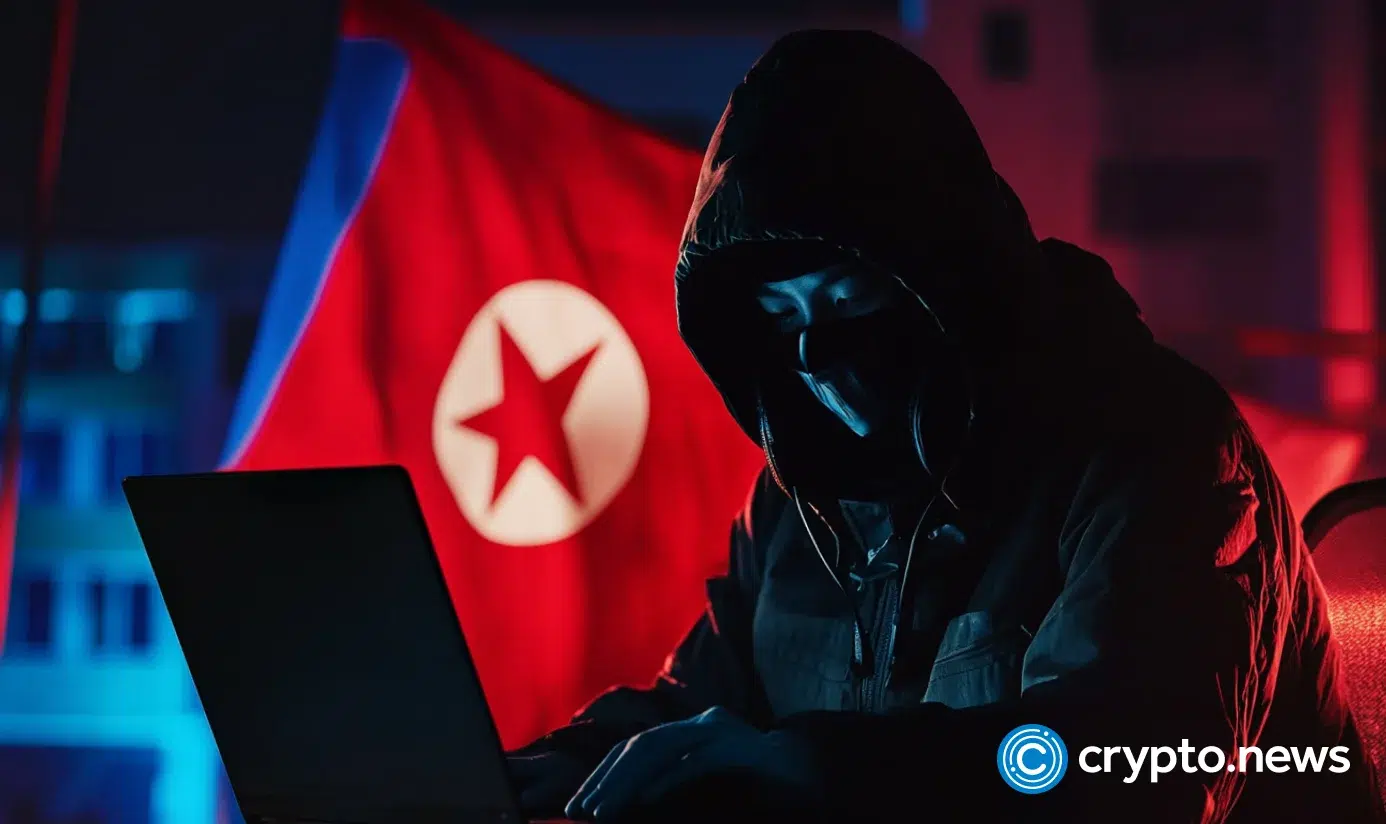
Up to one-fifth of all crypto companies may have North Korean workers embedded in their operations, a security expert warned at Devconnect in Buenos Aires.
Summary
- Up to 20% of crypto companies may unknowingly have North Korean workers embedded.
- An estimated 30–40% of crypto job applicants are DPRK attempts to infiltrate firms.
- North Korea has stolen over $3B in crypto in three years, funding nuclear programs.
Pablo Sabbatella, who founded web3 audit firm Opsek and serves as a Security Alliance member, shared estimates that suggest the problem extends far beyond isolated incidents.
Job applications flooding into crypto firms show an even more troubling picture. Sabbatella estimates that roughly 30% to 40% of applicants are North Korean attempts at gaining employment.
Sanctions evasion through identity theft schemes
International sanctions prevent North Koreans from applying for jobs under their real identities. The workaround involves recruiting people in other countries to serve as fake employees.
Freelance platforms like Upwork and Freelancer have become hunting grounds for these recruiters, who target workers in Ukraine, the Philippines, and similar nations.
The arrangement splits earnings 80-20, with the North Korean agent taking the larger share. Collaborators provide verified credentials or allow remote use of their identity.
U.S. companies face particular targeting. North Korean agents claim to be non-English speaking Chinese applicants who need interview assistance.
The “front person” gets their computer infected with malware during this process and grants the agent access to American IP addresses and overall internet access than North Korea allows.
Companies often retain these workers long-term. “They work well, they work a lot, and they never complain,” Sabbatella told local news. Performance keeps suspicions low while access to sensitive systems grows.
Weak security practices enable massive theft operations
Pyongyang’s cyber operations have netted over $3 billion in stolen cryptocurrency across three years, according to U.S. Treasury Department figures from November.
The stolen funds flow directly into North Korea’s nuclear weapons development programs.
Sabbatella placed blame squarely on industry practices. Crypto companies show weaker operational security than any other computing sector, he argued.
Founders publicly reveal their identities, mishandle private keys, and succumb to manipulation tactics.
Major Players In Crypto Hacked
Crypto's Billion-Dollar Blind Spot: Inside the Bitget Heist and the Revolut Extortion PlotThere is a particular kind of ... Read more
Bitcoin Suisse Turns Regulation Into Growth
For much of crypto’s short history, growth was measured in trading volumes, token prices and the number of customers w... Read more
Circle Wins Landmark US Banking Licence
Circle Internet Group has finally secured the regulatory prize it has been chasing for more than a year, with the Office... Read more
Crypto Treasuries Chase A New Kind Of Capital
There is a peculiar irony at the heart of the crypto treasury movement. Companies that staked their futures on digital a... Read more
What Strategy's Bitcoin Sale Really Tells Us
There is a moment in every bull run when the narrative starts to fray. Not with a crash, not with a scandal, but with so... Read more
The Clock Is Ticking On UK Stablecoins
The world is not waiting for Britain to make up its mind. While the United States and the European Union have spent the ... Read more