

Iran Plans Crypto Strategy With BRICS To Work Around Global Sanctions
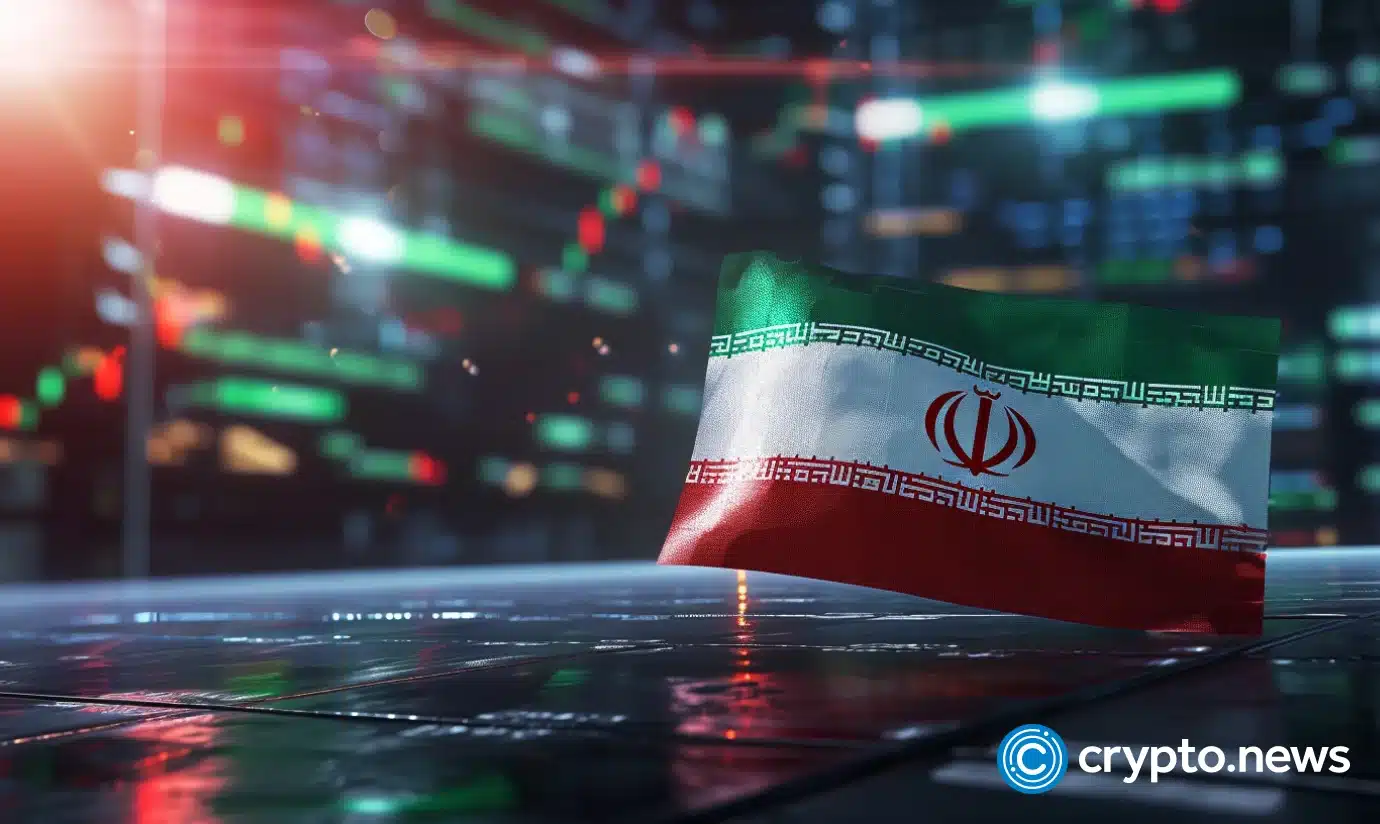
Iran is pushing forward with plans to adopt cryptocurrencies for international trade settlements as a way to circumvent U.S. and U.N. sanctions.
Summary
- Iran advances crypto-based trade plans after sanctions return, calling it essential.
- Officials frame digital currencies as a required workaround to restricted payment rails.
- Industry leaders warn Iran’s unclear crypto rules threaten adoption and infrastructure.
The strategy was shared at the deBlock Summit, Iran’s first government-backed international blockchain conference, where officials called digital currencies a necessity for the sanctions-hit economy.
The move comes after France, the U.K., and Germany triggered a ‘snapback mechanism’ in August 2025 that restored international sanctions on Tehran.
Iranian leadership positions crypto as sanctions workaround
Mohammad Bagher Ghalibaf, Speaker of the Iranian Parliament, told the deBlock Summit that digital currencies offer fresh pathways for commerce and cross-border payments. “Independent nations can benefit from these new payment methods,” Ghalibaf said.
As per a report by The Hindu, the speaker framed cryptocurrency adoption as critical for Iran’s economic survival. “Settling international transactions in digital currencies isn’t optional for us – it’s required,” he stated.
Ghalibaf announced Parliament’s commitment to collaborating with universities, technology firms, and researchers on blockchain initiatives. He stressed the government’s focus on attracting foreign capital into the digital currency sector.
President Trump has threatened BRICS members with steep tariffs if they pursue an alternative currency system.
India’s foreign ministry rejected the concept in August 2025, stating that abandoning the dollar “is not part of India’s financial agenda.”
Industry leaders push back on regulatory gaps
Business leaders at the summit criticized Iran’s cryptocurrency regulatory framework as inadequate.
Ehsan Mehdizadeh, who runs Wallex Iran, the nation’s top crypto exchange, said during a panel that current rules lack clarity and transparency.
“A country facing sanctions cannot afford to reject innovative financial infrastructure. Yet Iranian regulators still haven’t grasped how blockchain technology functions,” Mehdizadeh argued.
He pointed to Iran’s SWIFT exclusion as justification for crypto adoption. “Digital assets offer a pathway around payment system restrictions,” he noted.
Iran’s Central Bank maintains sole authority over crypto market oversight. The institution has imposed restrictions preventing Iranian Rial conversion to cryptocurrencies through local platforms.
Crypto mining operations have received approval, though debate continues on energy pricing. Shamseddin Hosseini, who heads Parliament’s Economic Committee, raised questions about subsidized electricity rates for miners versus residential users.
Major Players In Crypto Hacked
Crypto's Billion-Dollar Blind Spot: Inside the Bitget Heist and the Revolut Extortion PlotThere is a particular kind of ... Read more
Bitcoin Suisse Turns Regulation Into Growth
For much of crypto’s short history, growth was measured in trading volumes, token prices and the number of customers w... Read more
Circle Wins Landmark US Banking Licence
Circle Internet Group has finally secured the regulatory prize it has been chasing for more than a year, with the Office... Read more
Crypto Treasuries Chase A New Kind Of Capital
There is a peculiar irony at the heart of the crypto treasury movement. Companies that staked their futures on digital a... Read more
What Strategy's Bitcoin Sale Really Tells Us
There is a moment in every bull run when the narrative starts to fray. Not with a crash, not with a scandal, but with so... Read more
The Clock Is Ticking On UK Stablecoins
The world is not waiting for Britain to make up its mind. While the United States and the European Union have spent the ... Read more