

Inside A $400,000 Lobster Cargo Theft And What It Signals For Supply Chain Risk

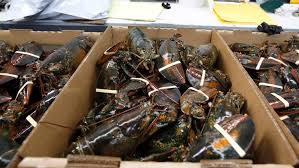 On December 30th, 2025, $400,000 of lobster was stolen before it arrived at its Midwest Costco destinations. A rising trend impacting supply chains and a wake-up call for the logistics industry. This is just another case of a calculated digital age crime made possible by cargo and IT thieves.
The Anatomy of the Heist
The theft was carried out using a method known as a fictitious pickup. This isn’t a smash-and-grab at a truck stop. Instead, it involves sophisticated identity theft.
In this case, the criminals impersonated a legitimate freight carrier. They used spoofed email addresses—often differing by only a single character from the real company—and forged paperwork to gain the trust of the broker and the warehouse. They arrived at the facility, loaded the $400,000 worth of processed lobster, and simply drove away. By the time the actual carrier arrived for the scheduled pickup, the goods and the fraudsters were long gone.
Why Seafood?
Seafood, particularly lobster and crab (which was also targeted in a similar theft 10 days prior in the same area), is a prime target for three reasons:
-
High Resale Value: $400,000 in a single trailer makes for a lucrative haul.
-
Low Traceability: Unlike electronics or pharmaceuticals, lobster tails don’t have serial numbers. Once they are moved into the black market or sold to unscrupulous wholesalers, they are nearly impossible to track.
-
High Liquidity: There is a constant, high demand for luxury food items, allowing thieves to flip the inventory quickly.
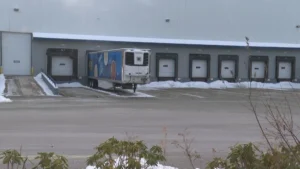 The CEO of the brokerage involved, Dylan Rexing, has been vocal about the fact that these crimes are often dismissed as “white-collar” issues where big businesses just “write a check.” However, the reality is that these losses disrupt operations, impact employee bonuses, and ultimately raise prices for the end consumer.
To protect your shipments from similar “strategic thefts,” consider these three layers of defense:
1. Rigorous Digital Vetting
Do not take email addresses or digital documents at face value. Fraudsters are experts at “spoofing.”
-
Action: Verify carrier identity through independent channels. Use the FMCSA’s SAFER system to check registration details and call the carrier back on a known, verified number listed in their official records—not the number provided in a suspicious email.
2. Enhanced Pickup Protocols
The point of pickup is the most vulnerable moment in the chain of custody.
-
Action: Require drivers to provide physical identification that matches the pre-advised details. Implement secure pickup numbers and use “gate access control” systems that log photos of the driver, the truck, and the license plate.
3. Real-Time Cargo-Level Tracking
If you are only tracking the tractor, you lose visibility the moment the trailer is dropped or the driver turns off their phone.
-
Action: Invest in shipment-level IoT trackers that stay with the cargo itself. These devices can alert you to unauthorized route deviations or trailer door openings in real-time, allowing for immediate intervention before the goods disappear into the black market.
The Bottom Line
Cargo theft is no longer just a physical security problem; it is a cybersecurity and identity verification challenge. As theft rings become more organized and tech-savvy, supply chain managers must move beyond “good enough” vetting and adopt a proactive, multi-layered security strategy.
The $400,000 lobster heist is a stark reminder: if your security processes are stagnant, the criminals are already one step ahead of you.
Copper's Comeback: Inside BHP And Lundin's Argentine Asset Acquisition
Copper, often dubbed "the metal of electrification," is experiencing a resurgence in demand due to its critical role in ... Read more
Revitalizing Commodities: How Clean Energy Is Breathing New Life Into A Stagnant Market
The commodities market, traditionally a cornerstone of investment portfolios, has experienced a decade of stagnation. Ho... Read more
European Airports Disrupted By Escalating Climate Protests
Climate activists have escalated their protests at European airports, blocking runways and causing flight disruptions in... Read more
Hungary's Russian Oil Dilemma: Why Brussels Is Cautious In Offering Support
Hungary's reliance on Russian oil has led it to seek support from Brussels to ensure continued access to this crucial en... Read more
Unveiling China's Secret Commodity Stockpiles: What Lies Ahead?
Xi Jinping's extensive reserves of grain, natural gas, and oil hint at future challenges.In a move shrouded in secrecy, ... Read more
Copper Miners Brace For Industry Overhaul As End Users Seek Direct Deals
The copper mining industry is bracing for a significant overhaul as end users, including cable manufacturers and car com... Read more