

Trumps Tax Bill Sparks Republican Turmoil
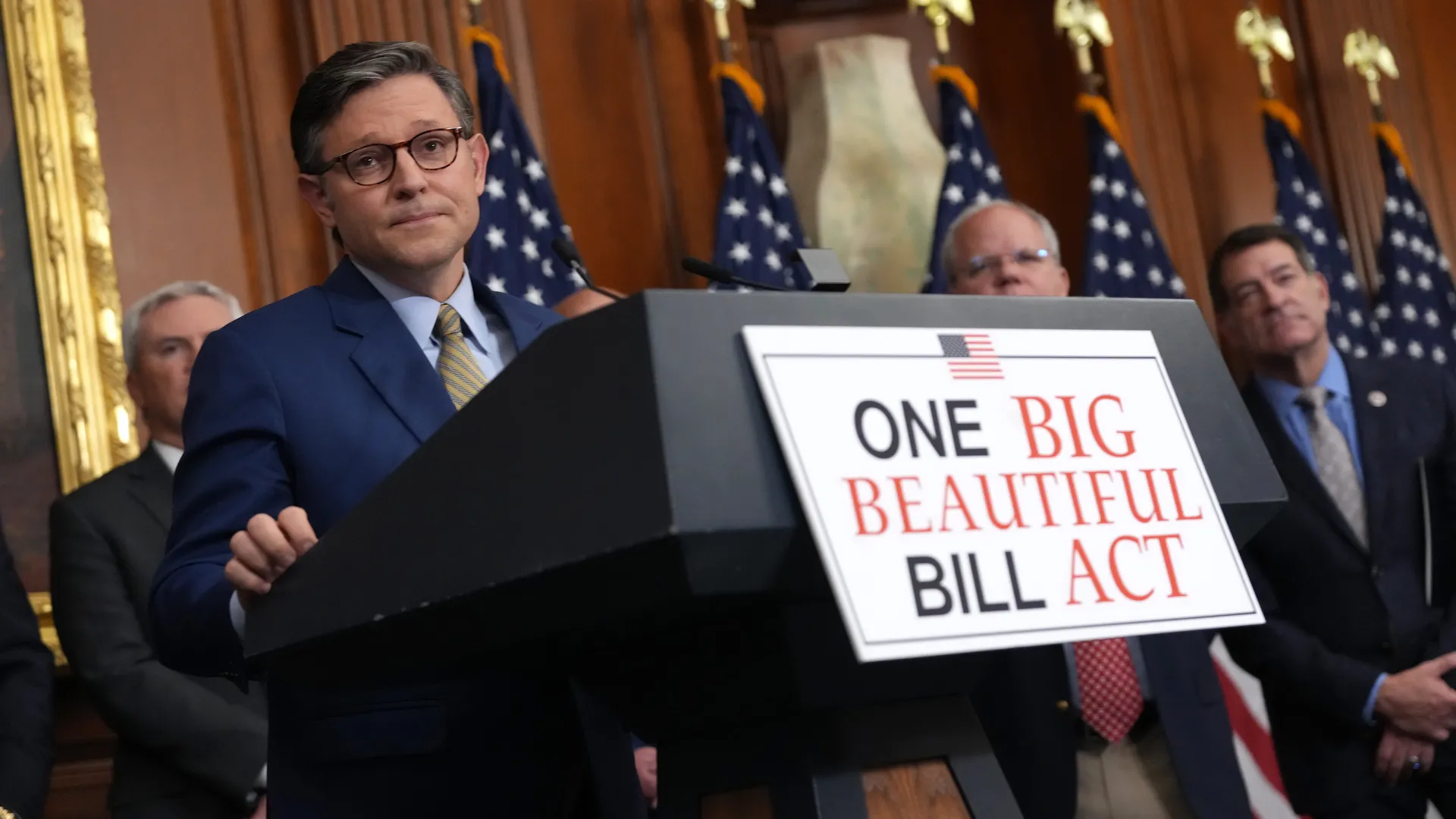
Donald Trump’s controversial new tax bill has moved closer to becoming law, overcoming significant hurdles in the US Congress. Labelled by the former president as a "big, beautiful bill," the legislation proposes vast tax cuts that echo Trump’s first administration's policies. However, it has triggered fierce debate and divisions within his own Republican party.
On Thursday, the House of Representatives narrowly voted 219-213 to advance the legislation, despite earlier delays caused by internal party disputes. This vote came after Trump personally intervened, holding private meetings with rebellious Republican lawmakers at the White House.
The central controversy of the bill arises from its dramatic cuts to public healthcare and social welfare programmes, notably Medicaid. These cuts are intended to finance extensive tax reductions, which Trump insists will boost the economy significantly. Critics within the Republican ranks, however, remain unconvinced.
Fiscal conservatives, particularly from the influential Freedom Caucus, have raised concerns that the bill will increase the national debt substantially. According to the non-partisan Congressional Budget Office (CBO), the tax legislation is projected to add an eye-watering $3.4 trillion to the US deficit over the next ten years. A memo circulated by these lawmakers describes the Senate-approved version of the bill as fundamentally flawed and fiscally irresponsible.
Meanwhile, moderate Republicans are alarmed by the potential human impact of the healthcare cuts. The proposed changes to Medicaid alone could see approximately 12 million Americans lose their health insurance. These lawmakers argue that such deep cuts are unjustified and potentially harmful, especially for low-income and disabled citizens.
Adding further complexity, the bill aims to reverse key elements of President Joe Biden's policy legacy. It proposes rolling back clean energy tax credits introduced during the Biden administration, instead reallocating resources towards expanded military and border protection funding. This move has also drawn criticism from Republicans who favour investment in renewable energy and are wary of losing progress made towards energy independence and environmental sustainability.
The divisions within the Republican party were starkly highlighted when the bill narrowly passed the Senate earlier this week. Three Republican senators joined Democrats in voting against the legislation, resulting in a 50-50 deadlock. This forced Vice President JD Vance to use his constitutional authority to cast a tie-breaking vote, sending the legislation back to the House for final approval.
Despite these controversies and warnings from independent financial analysts, Trump remains defiant. He has continued publicly pressuring Republicans, insisting that passing the bill is critical to economic prosperity. On his Truth Social platform, Trump accused dissenting Republicans of undermining both their party’s electoral prospects and economic success.
Yet financial markets and international observers are watching developments closely. The prospect of significant fiscal stimulus combined with increasing national debt is generating cautious optimism in some financial circles, while simultaneously fuelling concerns over long-term economic stability.
What's next?
With the House’s recent procedural vote completed, the bill is now positioned for a final House vote. Trump has declared he intends to sign the bill into law by July 4, positioning it as a symbolic victory for his administration. However, Republican divisions remain deep, and the tight vote margin indicates continued uncertainty. Financial analysts will closely monitor the situation, anticipating substantial market reactions whichever way the final decision swings. The immediate impact on healthcare and social welfare programmes, alongside long-term effects on the US economy and national debt, will remain areas of intense scrutiny.
Meta Rises On The Back Of Connect
Meta’s AI Moment: Can Muse Justify the Bill?There are moments in the market when investors stop asking whether a compa... Read more
A Buyout Of Another British Fintech
Monzo and Nubank: A Marriage of Digital Banking AmbitionMonzo’s reported discussions with Brazil’s Nubank have the p... Read more
Major Players In Crypto Hacked
Crypto's Billion-Dollar Blind Spot: Inside the Bitget Heist and the Revolut Extortion PlotThere is a particular kind of ... Read more
Does The West Have A Problem With Government Bonds
If you have been following the financial pages over the past few weeks, one theme has begun to stand out from the usual ... Read more
Meta Faces Its Big Tobacco Moment
For years, the largest social media companies have faced accusations that their platforms damage young people. They have... Read more
Sequencing Resilience: Defining A New Category
Why the industry must treat Retirement Portfolio Resilience as a distinct allocation alongside retirement income solutio... Read more