

Trade War Woes Hit LA Port
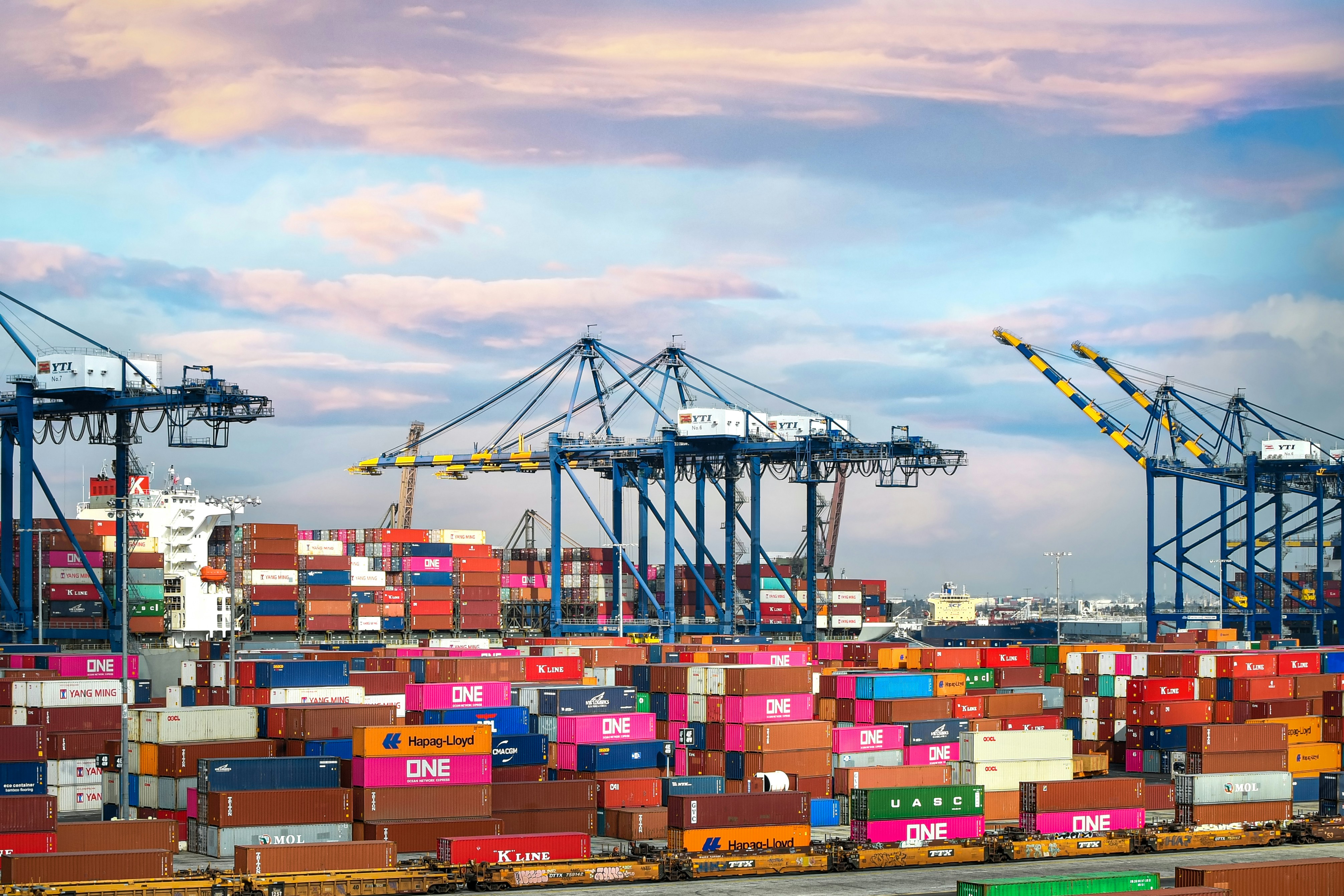
The Port of Los Angeles, America's busiest port, faces a severe 35% drop in shipping volumes next week as tariffs between the United States and China disrupt crucial trade flows. Major retailers, struggling with significantly higher costs due to tariffs as steep as 145% on Chinese imports, are halting shipments from China. This dramatic move raises fears of empty store shelves this summer, especially in consumer-focused industries.
Shipping Shockwaves
Gene Seroka, Executive Director of the Port of Los Angeles, has labelled this abrupt drop as a "precipitous decline," highlighting how vital Chinese imports are, constituting approximately 45% of the port's entire business. The U.S.-China trade battle, reignited under the Trump administration, has effectively shut down significant segments of trade, with China responding by imposing retaliatory tariffs as high as 125% on U.S. goods.
Shipping companies are scrambling to compensate by shifting cargo sourcing to other Southeast Asian nations, where lower tariffs around 10% apply. Yet, this strategy offers limited immediate relief due to the complex nature of global supply chains. This turmoil follows a brief import surge earlier this year, as companies tried to stockpile goods before the tariff escalation. Industry forecasts now indicate a substantial reduction in cargo volume through the second and third quarters of 2025.
Retail's Difficult Choices
Facing the daunting tariff landscape, U.S. retailers have implemented three strategies. Some are trying to negotiate cost-sharing with manufacturers, but this approach has limited potential given China's own economic pressures. Others absorb additional costs themselves, jeopardising hiring and future business investments. Many have no choice but to pass increased costs directly to consumers, which will lead to noticeable price hikes across numerous product categories.
Inventory management has become a critical issue, with stocks estimated to last only five to seven weeks without replenishments. The speed at which inventory levels are diminishing contrasts sharply with the time required to establish new manufacturing and shipping relationships elsewhere in Asia. Thus, retailers face significant short-term supply chain disruptions and risk widespread shortages.
Industries Feeling the Heat
Certain sectors are more vulnerable than others due to their heavy reliance on China. Consumer electronics, apparel and footwear, furniture and home goods, toys, automotive parts, and household appliances are particularly exposed. These industries could soon experience acute shortages, delays in new product rollouts, and substantial price increases.
For instance, consumer electronics heavily depend on Chinese manufacturing, meaning popular gadgets could become scarcer and more expensive. Fashion retailers might struggle to offer seasonal apparel, while furniture shops face prolonged delivery timelines. Even automotive manufacturers, reliant on Chinese-made components, could face production delays and rising operational costs.
Economic Impact Widens
The disruption at the Port of Los Angeles isn't limited to the shipping industry. A report by the LA County Economic Development Corporation highlights a grim forecast, suggesting around $500 billion in regional revenue and up to two million local jobs could be impacted. Combined with the adjacent Port of Long Beach, the region anticipates up to a 40% reduction in overall shipping traffic, underscoring the extensive economic ramifications.
Moreover, the reduction in loaded exports, already down 15% in March, suggests declining competitiveness for U.S. exporters, amplifying economic pressures. The abrupt slowdown also contributes to broader macroeconomic worries, potentially spurring inflation, dampening consumer spending, and harming overall economic growth.
Global Trade Decoupling Accelerates
This latest tariff escalation is accelerating the decoupling of U.S. and Chinese economies. Companies are forced to rethink their global strategies, possibly leading to more profound and lasting changes in global trade patterns. Initially viewed as temporary disruptions, the current tariff crisis is shaping up as a catalyst for longer-term shifts away from China.
Shifting to new markets such as Vietnam, Indonesia, and India appears a logical move but requires considerable lead time. The mismatch between immediate supply shortages and the lengthy process of setting up alternative production sources exacerbates current retail and manufacturing vulnerabilities.
What's Next
Looking ahead, U.S. businesses face critical decisions. Short-term supply disruptions could push companies towards more localised or diversified supply chains. The tariff situation may compel industries to re-evaluate their dependency on China permanently, triggering strategic shifts towards greater economic resilience. Policymakers will also need to assess if continued tariff strategies deliver desired geopolitical objectives or inadvertently damage U.S. economic interests further. For now, retailers and manufacturers must navigate immediate logistical chaos while preparing for potentially lasting changes to global trade dynamics.
Meta Rises On The Back Of Connect
Meta’s AI Moment: Can Muse Justify the Bill?There are moments in the market when investors stop asking whether a compa... Read more
A Buyout Of Another British Fintech
Monzo and Nubank: A Marriage of Digital Banking AmbitionMonzo’s reported discussions with Brazil’s Nubank have the p... Read more
Major Players In Crypto Hacked
Crypto's Billion-Dollar Blind Spot: Inside the Bitget Heist and the Revolut Extortion PlotThere is a particular kind of ... Read more
Does The West Have A Problem With Government Bonds
If you have been following the financial pages over the past few weeks, one theme has begun to stand out from the usual ... Read more
Meta Faces Its Big Tobacco Moment
For years, the largest social media companies have faced accusations that their platforms damage young people. They have... Read more
Sequencing Resilience: Defining A New Category
Why the industry must treat Retirement Portfolio Resilience as a distinct allocation alongside retirement income solutio... Read more