

The Vision Pro Is Coming, Can Apple Repeat Its Trick Of Turning A Slow Burn Into A Firestorm
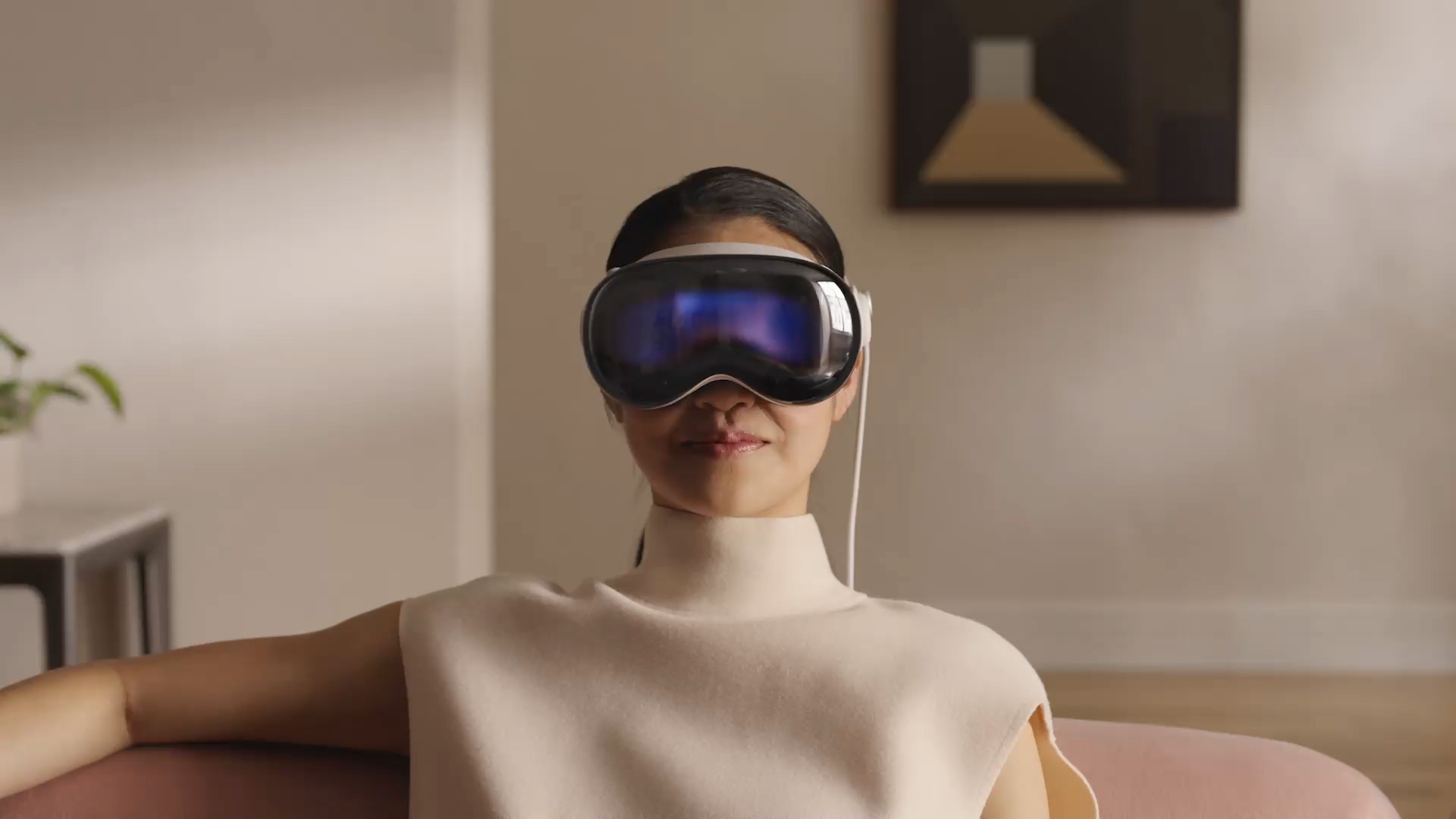
In an intriguing development in the technology sector, Apple, the renowned technology giant based in Cupertino, is poised to release its latest product, the Vision Pro mixed-reality headset. This launch marks the company's first major foray into the gadget market since the advent of the Apple Watch nearly a decade ago, an interval that is notably lengthy even by Apple's meticulous standards. This strategic patience reflects Apple's philosophy of entering new markets only when it is confident of delivering a product that not only meets but surpasses consumer expectations.
The Vision Pro, a synthesis of virtual and augmented reality technologies, is the culmination of almost ten years of intensive research and development, signifying a pivotal moment for Apple. This period of innovation has been marked by the exploration of two particularly ambitious projects: the mixed-reality headset and the much-speculated Apple car. The journey of these products to market has been a testament to Apple's legendary discipline in product launches, a discipline that is now facing a critical test.
Under the leadership of Tim Cook, who succeeded the iconic Steve Jobs, Apple has been the subject of scrutiny regarding its capacity to continue delivering revolutionary products. While Jobs' tenure was distinguished by the successive launches of game-changing devices like the iPod, iPhone, and iPad, Cook has been steering Apple through a different trajectory. His tenure has seen a significant increase in the company's stock price, propelled by the sustained success of the iPhone and an expansion into the lucrative services sector. Under Cook, Apple has not been idle; its research and development efforts have intensified, with spending in this area climbing to nearly 8% of its revenue last year, a notable increase from just over 2% a decade earlier.
This escalation in R&D expenditure reflects Apple's deepening involvement in the development of core technologies for its products, ranging from chips to sophisticated software. A notable area of focus has been the integration of generative AI into its devices, although, in typical Apple fashion, the specifics of these plans remain under wraps. While these efforts have significantly contributed to the evolution of Apple's existing mobile platforms, they also underscore the substantial investment required to pioneer new computing platforms like mixed reality headsets and autonomous vehicles.
The Apple car project, in particular, has been shrouded in intrigue. Recent reports suggest a further delay in its launch, now projected for 2028. The challenges Apple faces in carving out a niche in the slow-moving, capital-intensive automotive industry are formidable, especially in light of recent setbacks experienced by other companies in the driverless car sector. This context makes the potential disruption by an outsider like Apple seem increasingly challenging.
The impending release of the Vision Pro headset is met with a mix of anticipation and skepticism. The product, priced at a steep $3,499, faces constrained sales expectations, a rarity for a company known for defining new consumer technology markets. Despite receiving high praise for its user experience during limited, controlled tests last year, there are concerns about its practicality, given its reliance on an external battery pack and reports of its cumbersome weight. Furthermore, the absence of dedicated apps from key entertainment players such as Netflix and Spotify at launch could dampen its initial appeal.
Despite these challenges, the Vision Pro's launch is a significant event. It embodies Apple's continued commitment to innovation and marks a new chapter in the evolution of general-purpose computing platforms. The trajectory of this new product remains uncertain; it could either emerge as a major new computing platform or become a niche product catering primarily to Apple enthusiasts. In either case, the Vision Pro's journey is emblematic of Apple's deliberate approach to innovation – a 'slow burn' that may yet ignite significant shifts in the technology landscape.
By Brett Hurll
Meta Rises On The Back Of Connect
Meta’s AI Moment: Can Muse Justify the Bill?There are moments in the market when investors stop asking whether a compa... Read more
A Buyout Of Another British Fintech
Monzo and Nubank: A Marriage of Digital Banking AmbitionMonzo’s reported discussions with Brazil’s Nubank have the p... Read more
Major Players In Crypto Hacked
Crypto's Billion-Dollar Blind Spot: Inside the Bitget Heist and the Revolut Extortion PlotThere is a particular kind of ... Read more
Does The West Have A Problem With Government Bonds
If you have been following the financial pages over the past few weeks, one theme has begun to stand out from the usual ... Read more
Meta Faces Its Big Tobacco Moment
For years, the largest social media companies have faced accusations that their platforms damage young people. They have... Read more
Sequencing Resilience: Defining A New Category
Why the industry must treat Retirement Portfolio Resilience as a distinct allocation alongside retirement income solutio... Read more