

The Shine Comes Off Luxury As The Sell Off Starts
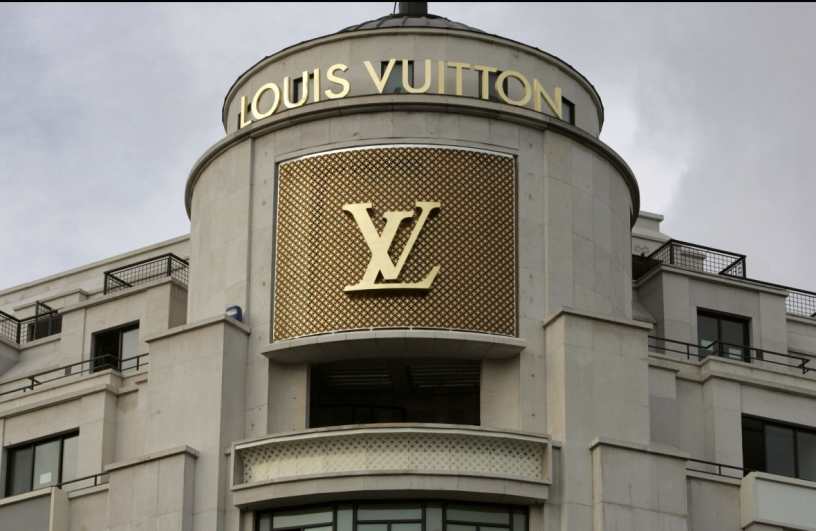
LVMH led a global sell-off in luxury shares on Wednesday, following weaker-than-expected sales results. The company's report highlighted reduced spending on champagne and handbags, sparking investor concern about demand in China and the industry's outlook.
Shares in LVMH dropped over 5%, bringing them to €650 each. This marks a 9% decline in market value this year, now standing at €323 billion. Other luxury brands also saw declines: Hermès and Brunello Cucinelli fell 2.2%, Gucci-owner Kering was down 3.7%, Richemont, owner of Cartier, dropped 2.3%, and Prada declined 5.5%.
LVMH, which owns Louis Vuitton, Dior, and Tiffany, reported a 1% growth in revenue on an organic basis to €20.98 billion in the second quarter. This was slower than the first quarter and below the expected 3% rise. Sales in Asia, excluding Japan, which is heavily influenced by China, fell 14% in the second quarter. This drop heightened worries about luxury demand in China, the world's second-largest economy. However, Chinese shoppers continue to travel and shop abroad, particularly in Japan.
Jean-Jacques Guiony, LVMH's Chief Financial Officer, acknowledged the challenging comparisons but remained hopeful for stronger growth in the latter half of the year. He noted that global spending by Chinese customers, although slightly down from the first quarter, was still robust. "We remain cautious but confident in our brand strength, business model, regional balance, and financial stability," Guiony said.
LVMH is considered a key indicator for the luxury industry due to its size and diverse portfolio, spanning watches, bags, and travel. The industry has slowed over the past year, with LVMH maintaining a middle position while companies like Kering and Burberry struggle, and high-end brands like Hermès and Brunello Cucinelli benefit from wealthier clients.
Luca Solca of Bernstein pointed out that LVMH's slowdown was due to foreign exchange factors and retail investments, not insurmountable issues given the slight miss and the significant share price decline this year. The company's fashion and leather goods division, its largest in terms of revenue and profit, saw a 1% organic growth in the second quarter, with operating profits falling 6%.
First-half operating profits of €10.7 billion were below analysts' expectations, with particular pressure on the wines and spirits and watches and jewellery divisions. Thomas Chauvet of Citi noted that the sector is likely to remain out of favour in the near term.
Champagne sales fell but stayed above 2019 levels, while weak cognac sales in China were partially offset by growth in the US. LVMH's selective retailing, including Sephora, grew 5% in the second quarter, although this was below analysts' forecasts.
Several luxury groups have reported weak demand in China this quarter. Richemont's recent quarter saw flat sales, with growth in the US and Europe offsetting a decline in China. Burberry and Hugo Boss, both undergoing transformations, issued profit warnings last week.
Meta Rises On The Back Of Connect
Meta’s AI Moment: Can Muse Justify the Bill?There are moments in the market when investors stop asking whether a compa... Read more
A Buyout Of Another British Fintech
Monzo and Nubank: A Marriage of Digital Banking AmbitionMonzo’s reported discussions with Brazil’s Nubank have the p... Read more
Major Players In Crypto Hacked
Crypto's Billion-Dollar Blind Spot: Inside the Bitget Heist and the Revolut Extortion PlotThere is a particular kind of ... Read more
Does The West Have A Problem With Government Bonds
If you have been following the financial pages over the past few weeks, one theme has begun to stand out from the usual ... Read more
Meta Faces Its Big Tobacco Moment
For years, the largest social media companies have faced accusations that their platforms damage young people. They have... Read more
Sequencing Resilience: Defining A New Category
Why the industry must treat Retirement Portfolio Resilience as a distinct allocation alongside retirement income solutio... Read more