

Swift Wins Back Her Masters
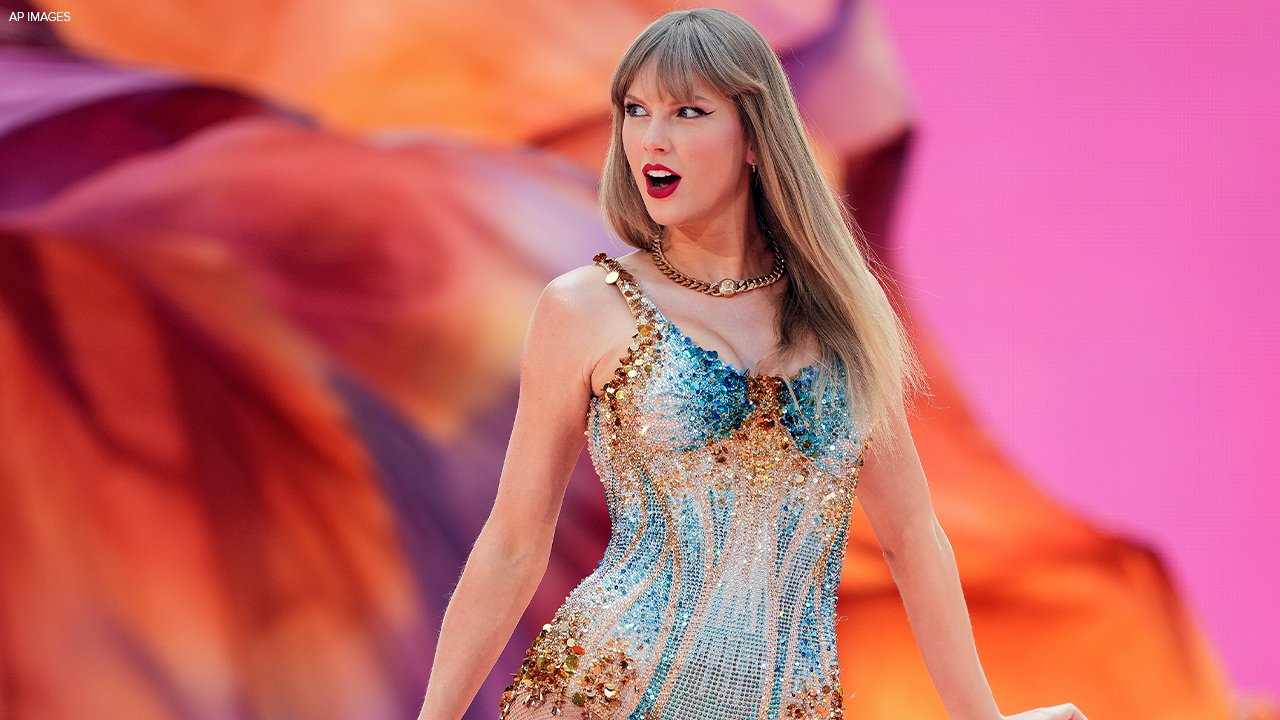
Taylor Swift has at last bought the master recordings of her first six albums from Shamrock Capital, closing a wrangle that reshaped her career and reignited the debate over who really owns the music.
“Calling this my greatest dream barely does it justice,” she told fans on Friday. “All I ever wanted was to work hard enough to purchase my music outright, with no strings, no partners, total autonomy.” The price tag was not disclosed.
Shamrock, the Los Angeles investment house, paid more than $300mn for the catalogue in 2020, acquiring it from music mogul Scooter Braun. Swift, furious at being locked out, vowed to undercut the value of the asset by recording new versions of her early hits. She has now released four of those albums under the “Taylor’s Version” brand, boosting an already record-breaking “Eras Tour” and extending her global reach.
Swift maintains that Braun and her former label, Big Machine Records of Nashville, combined to stop her buying the songs. The clash became a cause célèbre for artist rights and prompted younger musicians to push for control of their master tapes. As a 15-year-old newcomer, Swift had signed the conventional deal of the era: her label financed the launch but kept the masters.
That arrangement illustrates the industry’s permanent yin and yang. Labels and private-equity funds give fresh talent a platform, global distribution and the cash to make an impact. In return they demand the crown jewels, ownership of the recordings that will generate income for decades through adverts, films, mall playlists and streaming services.
Swift’s newly reacquired catalogue is thought to earn about $60mn a year, according to Billboard. It is easy to see why investment groups were willing to pay top dollar, and why Swift would rather own the songs herself. Yet few two-album hopefuls can write a cheque large enough to secure their rights upfront. Most still swap long-term control for the short-term boost that a label, or a well-heeled corporate backer, can provide.
The pop star’s triumph, therefore, sets an example, but also a dilemma. Artists want autonomy; financiers want a return. Until newcomers can fund their own breakout or streaming royalties rise sharply, the bargain will stay much as it was when a teenage Swift walked into Big Machine’s offices: a big chance, at a lasting cost.
Meta Rises On The Back Of Connect
Meta’s AI Moment: Can Muse Justify the Bill?There are moments in the market when investors stop asking whether a compa... Read more
A Buyout Of Another British Fintech
Monzo and Nubank: A Marriage of Digital Banking AmbitionMonzo’s reported discussions with Brazil’s Nubank have the p... Read more
Major Players In Crypto Hacked
Crypto's Billion-Dollar Blind Spot: Inside the Bitget Heist and the Revolut Extortion PlotThere is a particular kind of ... Read more
Does The West Have A Problem With Government Bonds
If you have been following the financial pages over the past few weeks, one theme has begun to stand out from the usual ... Read more
Meta Faces Its Big Tobacco Moment
For years, the largest social media companies have faced accusations that their platforms damage young people. They have... Read more
Sequencing Resilience: Defining A New Category
Why the industry must treat Retirement Portfolio Resilience as a distinct allocation alongside retirement income solutio... Read more