

Mars Acquires Kellanova In $36 Billion Deal To Expand Snack Business
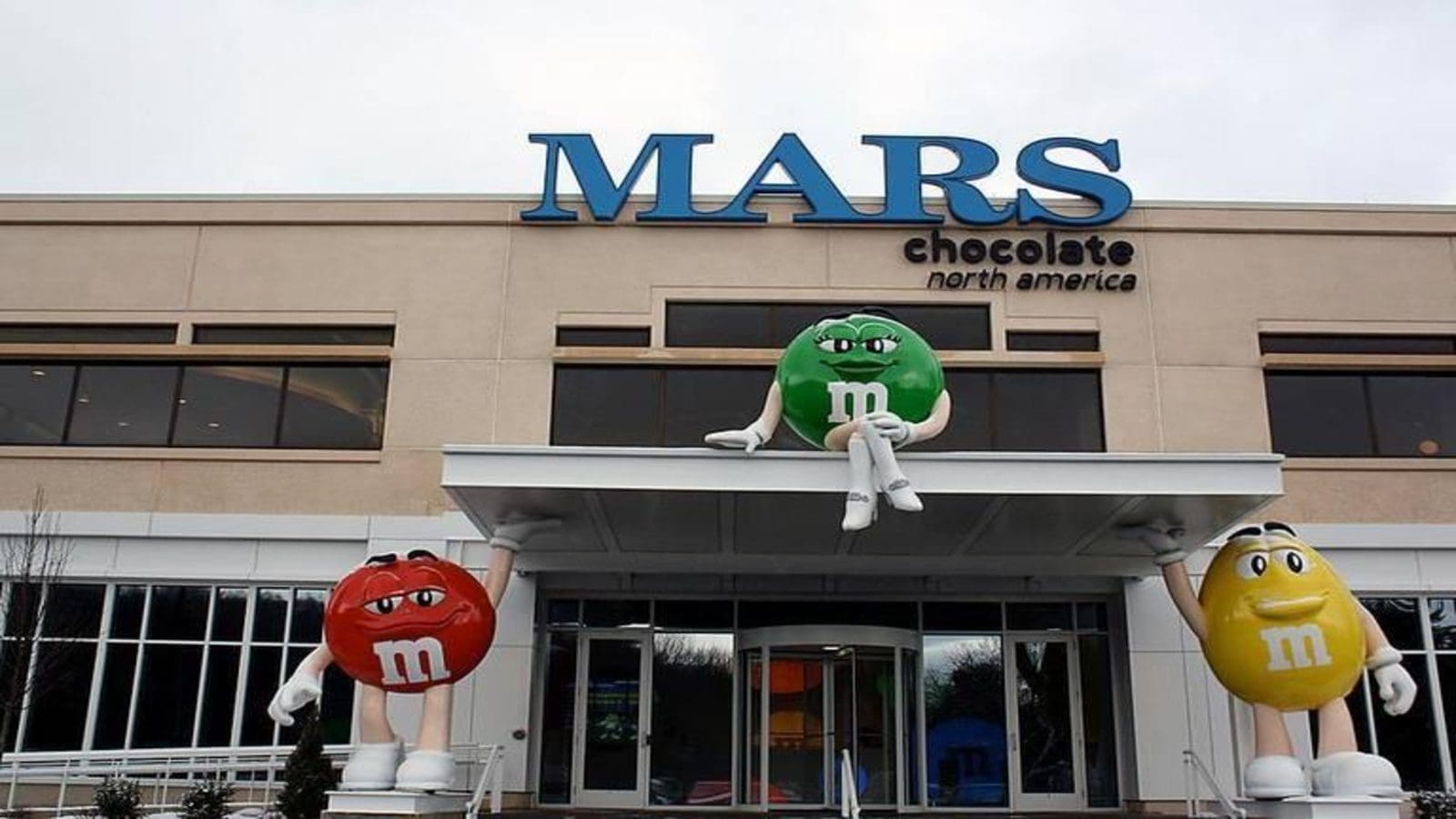
Mars, the company known for Snickers, M&Ms, and Pedigree dog food, has secured a $36 billion takeover of Kellanova, a move aimed at strengthening its presence in the snack market. This acquisition marks a significant step for Mars as it seeks to capitalise on consumers’ growing preference for value brands in light of rising living costs.
The Mars family-owned firm, which reported $50 billion in sales last year, has a broad portfolio that includes confectionery, pet food, and other food products like Ben’s Original rice and Dolmio pasta sauce. Earlier this month, Mars raised its full-year sales forecast after surpassing Wall Street expectations for the second quarter.
With the addition of Kellanova, Mars will see its combined annual sales reach $63 billion, putting it ahead of Kraft Heinz’s $27 billion but still trailing Nestlé’s $108 billion. The acquisition will give Mars and Kellanova a joint 8.5% share of the U.S. snack market, placing them just behind PepsiCo’s 9.1%, according to data from GlobalData.
Mars intends to use the acquisition to bolster its snack division further. The company has expressed plans to invest locally and introduce healthier snack options, reflecting the evolving preferences of consumers. Analysts on Wall Street have noted that this deal will also help Mars expand its snacking business in international markets.
Andrew Clarke, global president of Mars Snacking, stated, “This acquisition allows us to create a more extensive, global snacking business. By combining the strengths of Kellanova and Mars Snacking, we can drive consumer-focused innovation and shape the future of responsible snacking.”
The Kellanova deal is the largest announced this year, surpassing Capital One’s $35 billion agreement to acquire Discover Financial Services earlier in the year, according to Bloomberg. Other notable transactions in the food sector include Campbell Soup’s $2.3 billion purchase of Rao’s pasta sauce owner Sovos Brands and J.M. Smucker’s $5.6 billion buyout of Twinkies maker Hostess Brands.
Despite the robust merger activity, some investors are concerned about the potential impact of weight-loss drugs like Ozempic and Wegovy, which may reduce consumer appetite for snacks.
Under the terms of the deal, Mars will be required to pay a $1.25 billion termination fee if regulatory approvals are not obtained. Kellanova, on its part, has agreed to a $800 million payment should its board change its recommendation. Mars plans to finance the acquisition with a mix of cash and new debt, with Citi advising Mars and Goldman Sachs representing Kellanova. The transaction is expected to close in the first half of 2025.
This acquisition dwarfs Mars’ previous $23 billion takeover of Wrigley in 2008, underscoring the scale of the deal within the packaged foods sector.
Barclays analysts noted that the current environment could encourage large food companies to shift focus from divestitures to growth-driven acquisitions. Following the announcement, shares in Kellanova rose by 7.7%, closing at $80.26 on Wednesday.
Meta Rises On The Back Of Connect
Meta’s AI Moment: Can Muse Justify the Bill?There are moments in the market when investors stop asking whether a compa... Read more
A Buyout Of Another British Fintech
Monzo and Nubank: A Marriage of Digital Banking AmbitionMonzo’s reported discussions with Brazil’s Nubank have the p... Read more
Major Players In Crypto Hacked
Crypto's Billion-Dollar Blind Spot: Inside the Bitget Heist and the Revolut Extortion PlotThere is a particular kind of ... Read more
Does The West Have A Problem With Government Bonds
If you have been following the financial pages over the past few weeks, one theme has begun to stand out from the usual ... Read more
Meta Faces Its Big Tobacco Moment
For years, the largest social media companies have faced accusations that their platforms damage young people. They have... Read more
Sequencing Resilience: Defining A New Category
Why the industry must treat Retirement Portfolio Resilience as a distinct allocation alongside retirement income solutio... Read more