

How Algorithms And Summer Holidays Fuel Stock Market Crashes
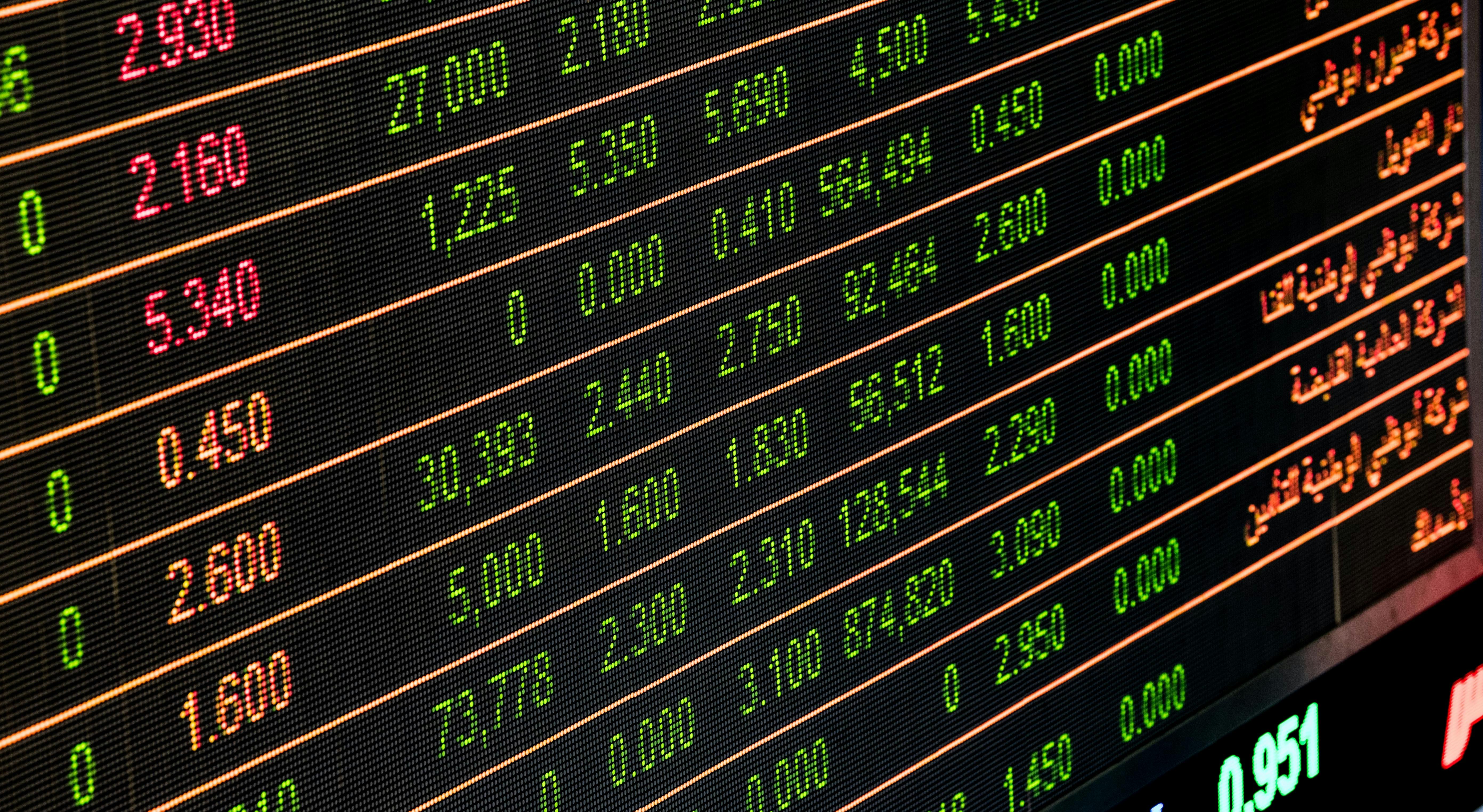
If asked to picture a trading floor during a market meltdown, you might imagine a scene of chaos with traders frantically shouting orders. However, during the summer holidays, trading floors are often deserted. Many senior traders and executives monitor market movements from villas in the south of France or yachts in the Mediterranean, far from the chaos.
August in the City of London sees many decision-makers on holiday. This absence helps explain the extreme swings in stock prices we often witness at this time of year. Despite claims of working remotely, history shows that their oversight isn't as sharp as usual.
Neil Shearing from Capital Economics recalls past summer crises like the eurozone crisis in 2011 and the "taper tantrum" of 2013 when the Federal Reserve signaled a reduction in stimulus. He notes that thin trading volumes and increased algorithmic trading have exacerbated recent market dislocations. These automated trading systems, or "algos," can magnify trends, leading to rapid and severe market movements.
In summer, when fewer fund managers and banks are active, market liquidity drops significantly. For instance, the London Stock Exchange saw a 27% decrease in average daily trades in August compared to March last year. The old adage "sell in May and go away" reflects this seasonal pattern, as many traders secure their profits in spring before the summer slump and return in September.
One City financier, speaking from the south of France, noted that reduced human trading decisions in August result in more algorithmic trading. These strategies often follow market trends; if the trend is to sell, the algorithms will also sell, deepening the downturn.
Recent events illustrate this effect vividly: a global stock index fell by 3.3% on a Monday, marking the fourth-steepest August drop on record. Some of the worst market crashes, like the eurozone debt crisis in August 2011 and the "flash crash" in August 2015, also occurred during this period.
However, low trading volumes and algorithmic trading alone don't trigger global slumps. There must be a catalyst. Last week's weak US data, combined with the Federal Reserve's decision to keep interest rates steady at 5.25% to 5.5%, provided just that. Fed Chairman Jerome Powell hinted at future rate cuts but showed no urgency to lower borrowing costs.
Disappointing jobs and manufacturing data spooked traders, who feared the Fed's inaction might lead the US into recession. Shearing points out that central banks, by waiting for inflation to drop to target levels, risk keeping policy too tight for too long, as inflation is a lagging indicator.
Traders now expect the Fed to cut rates by half a percentage point in September to calm the markets and stave off a potential recession. Some even speculate on an emergency cut before the scheduled meeting, a move usually reserved for crises like the pandemic or the 2008 financial crisis.
Ben Yearsley, investment consultant at Fairview Investing, suggests that markets overreacted to the recent data. He attributes part of the downturn to a bubble in tech stocks, fueled by excitement over cloud computing and artificial intelligence. "Everyone got too excited, and now reality is setting in," he says.
Regardless of the sell-off's cause, Shearing warns that calming the markets now is tough. An emergency rate cut would be a last resort, potentially sending a message of panic. The Bank of England faces similar dilemmas. Last week, it cut rates from 5.25% to 5%. Traders now expect further cuts, possibly to 3.75% by next summer.
Governor Andrew Bailey and his colleagues at the Bank of England have indicated they are not rushing to cut rates again. However, failing to act could exacerbate market instability. As stocks tumble and central bankers weigh their options, senior financiers will continue to watch from their holiday spots, waiting to return to the trading floors in September.
Meta Rises On The Back Of Connect
Meta’s AI Moment: Can Muse Justify the Bill?There are moments in the market when investors stop asking whether a compa... Read more
A Buyout Of Another British Fintech
Monzo and Nubank: A Marriage of Digital Banking AmbitionMonzo’s reported discussions with Brazil’s Nubank have the p... Read more
Major Players In Crypto Hacked
Crypto's Billion-Dollar Blind Spot: Inside the Bitget Heist and the Revolut Extortion PlotThere is a particular kind of ... Read more
Does The West Have A Problem With Government Bonds
If you have been following the financial pages over the past few weeks, one theme has begun to stand out from the usual ... Read more
Meta Faces Its Big Tobacco Moment
For years, the largest social media companies have faced accusations that their platforms damage young people. They have... Read more
Sequencing Resilience: Defining A New Category
Why the industry must treat Retirement Portfolio Resilience as a distinct allocation alongside retirement income solutio... Read more