

Has The Huffington Post Gone Mad?
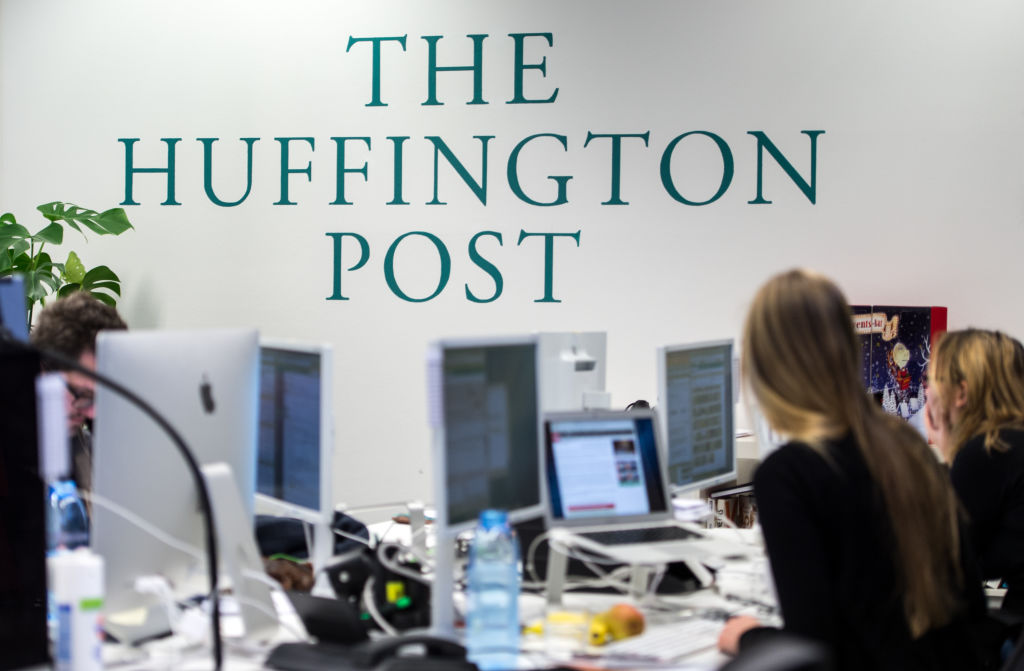
In a recent article, the Huffington Post suggested that President Joe Biden's campaign should utilise artificial intelligence (AI) to disguise his recent difficulties. This proposition has raised eyebrows and sparked concerns regarding the ethical implications and practical limitations of such an approach.
The Limits of AI
AI, while advanced, has its limitations. The idea that AI could seamlessly mask any human flaw is overly optimistic. Current AI technology can generate convincing images, voices, and even video content, but it is far from perfect. The technology often struggles with subtleties and nuances, leading to potential inaccuracies that could easily be spotted by an attentive public. Relying on AI to present a flawless image of Biden could backfire spectacularly, as any AI-generated content with noticeable flaws would be quickly scrutinised and potentially ridiculed.
The Importance of Honesty
Beyond the technical limitations, there is a more significant issue at play: honesty. Politics should be grounded in truth and transparency. Using AI to mask difficulties is fundamentally dishonest and could severely undermine the public's trust in Biden's campaign. Honesty is a cornerstone of democratic processes, and employing AI in such a deceptive manner would set a dangerous precedent. It suggests that it is acceptable to hide the truth from the public, which contradicts the principles of a transparent and accountable government.
The Threat of Deepfakes
The Huffington Post's suggestion also ignores the growing threat of deepfakes. Deepfakes are AI-generated media that can create highly realistic but entirely fake images or videos of people. While the technology can have benign uses, it also poses significant risks. The public is already struggling to distinguish between real and fake content online, and introducing AI-generated campaign material could exacerbate this issue. It would make it harder for people to trust what they see and hear, potentially leading to widespread misinformation and confusion.
Public Awareness and Education
Rather than using AI to deceive, the focus should be on educating the public about the existence and potential dangers of deepfakes. Public awareness is crucial in combating the spread of false information. By understanding how deepfakes work and their potential to mislead, people can become more critical consumers of media. This, in turn, would help foster a more informed and discerning electorate.
A Call for Ethical Use of Technology
The suggestion by the Huffington Post reflects a troubling trend of prioritising political gain over ethical considerations. Technology, including AI, should be used responsibly. Instead of using AI to mask imperfections, it should be employed to enhance transparency and engage with the public honestly. For instance, AI could be used to analyse public opinion, help craft policies that reflect the people's will, or improve communication between the government and its citizens.
The Huffington Post's proposition to use AI to hide Biden's recent difficulties is not only unrealistic but also ethically questionable. AI has its limits, and relying on it to disguise human flaws can easily backfire. More importantly, honesty and transparency should be at the heart of any political campaign. The public deserves the truth, and using AI to mask reality would only undermine trust in the democratic process. Instead, efforts should be directed towards educating the public about the risks of deepfakes and promoting the ethical use of technology. The goal should always be to enhance, not deceive.
Anthropic's IPO
Why the cash raised matters more than the valuation Read more
Tech Rebound Tests If AI Optimism Has Found Floor
Strong CoreWeave results and talk of a higher Anthropic IPO valuation have pulled investors back into US technology stoc... Read more
Binance Reopens, But Confidence Is Damaged
Binance reopens, but confidence cannot be switched back onThere Read more
Big Techs AI Spending Faces A Commercial Test
The loss of nearly $900bn in market value across the largest Read more
Musks $3.6tn Gamble
Can Tesla and SpaceX Become One Company? Read more