

Global Wealth Dips But Banks Vie For Wealth Management Dominance
by Brett Hurll
Global Wealth Dips but Banks Vie for Wealth Management Dominance
The landscape of global wealth experienced a notable dip in the previous year, marking the first such decline since the 2008 financial crisis, as revealed by UBS in its 2023 Global Wealth Report. The report also highlighted a 6% contraction in the number of dollar millionaires, now standing at 59.4 million. Furthermore, individuals with net worths of $50 million or more saw an 8% decline, numbering at 243,000.
Notwithstanding this decline, a fervor for wealth management among banking giants is discernible, notably propelled by UBS following its consequential acquisition and bailout of its Swiss counterpart, Credit Suisse. This inclination towards wealth management among UBS and its major US rivals is driven by three underlying factors. Firstly, the unpredictability associated with their investment banking endeavors has impelled both investors and regulators to advocate for this shift. Secondly, the belief in gaining market share amidst a challenging near-term economic milieu persists. Lastly, they harbor confidence in the resumption of long-term growth trends.
However, the immediate outlook appears relatively subdued. The trimming in UBS’s sector can largely be attributed to asset price deflation, reversing the easy-money wealth accumulation trend witnessed over the last decade and a half. The tug of inflation did escalate nominal wealth, albeit being counteracted by the potency of the dollar. The scene is set for a continued downward trajectory with central banks yet to retract their accommodative quantitative easing stances in both the US and Europe. Coupled with the belated impact of heightened interest rates on real estate values — a primary reservoir of individual wealth — the forecast for high-end wealth remains bleak for the upcoming year or two.
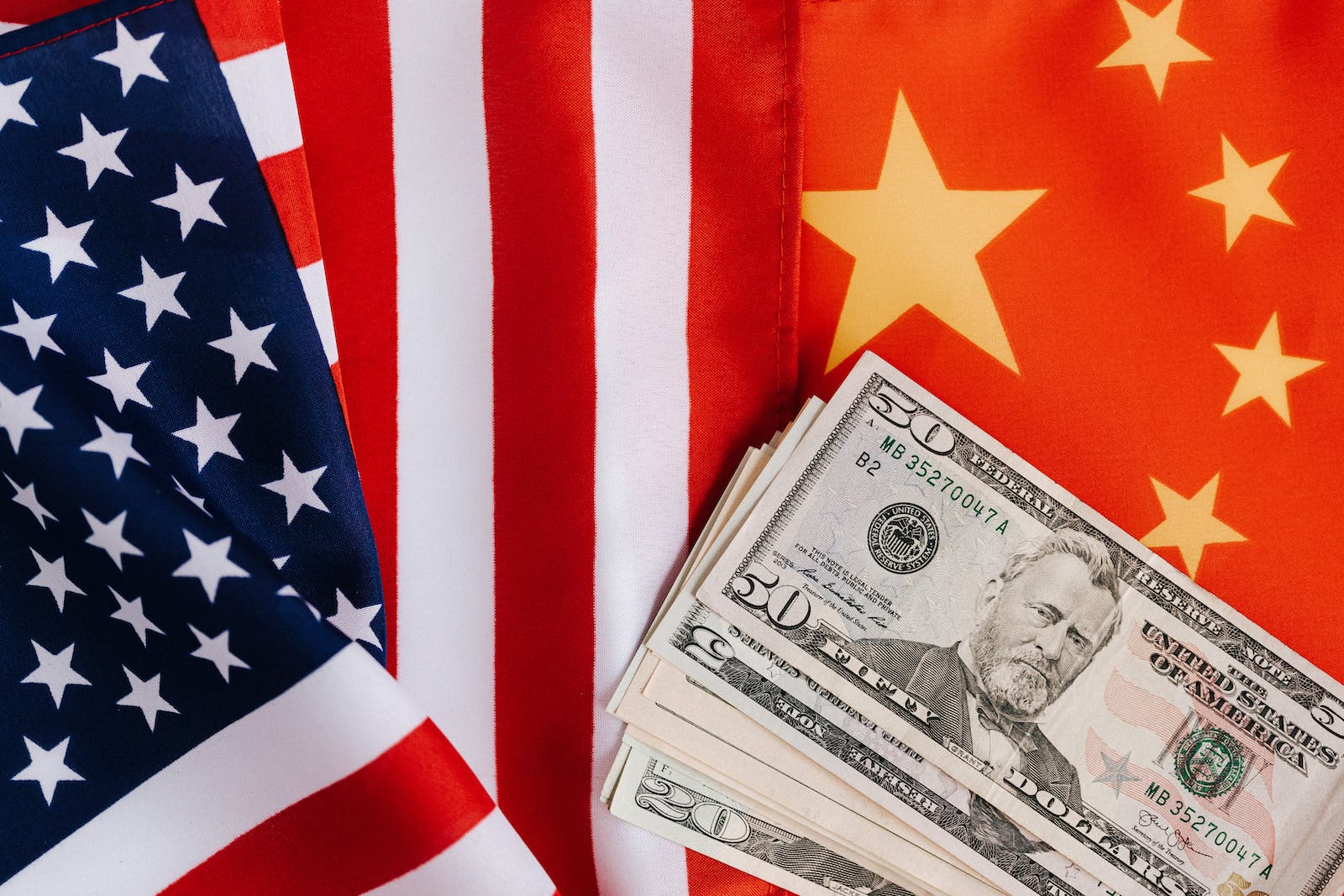
Moreover, the deceleration of China's economic dynamism, once a colossal driver of global wealth, casts a long shadow. As per the UBS report, in 2022, a significant fraction of the top 10% of global wealth was harbored in China, more than any other nation. However, with the Chinese GDP growth rate now throttled to 4.9%, a far cry from its 2007 zenith, the conveyor belt of wealth clientele for global banks from China seems to be slackening.
Nonetheless, these adversities haven't deterred the banking behemoths. Citigroup is the latest to join the fray, with CEO Jane Fraser delineating the expansion of the wealth business as a pivotal strategic endeavor, as she ushered in Andy Sieg from Bank of America’s Merrill Lynch Wealth Management. Sieg envisions some quick wins for Citigroup given a substantial segment of its half-a-million wealth clientele, with roughly $900 billion in client balances, utilize the bank chiefly for deposits and borrowing, but not investments.
The titans of wealth management, Morgan Stanley and UBS, are adamant on expanding their realms. UBS, buoyed by a robust position in wealth management in Asia and the Middle East, envisages growth in the US targeting individuals with liquid assets exceeding $100 million. Concurrently, Morgan Stanley aspires to escalate its wealth and investment assets from over $6 trillion to $10 trillion in the coming years, potentially through synergies with its long-standing Japanese partner, Mitsubishi UFJ Group, and also possibly through strategic acquisitions, especially outside the US.
The trajectory towards wealth management expansion, however, is not devoid of regulatory hurdles, particularly concerning major acquisitions. While organic expansion remains a viable route, with opportunities to snatch larger market shares from rivals, the growth of the overall wealth management pie is also anticipated. UBS’s projections envisage a 38% surge in global wealth between 2022 and 2027, predominantly propelled by middle-income nations. Bain & Co also projects a lucrative horizon, with nearly $230 trillion up for grabs for global wealth managers by 2030. However, amid this optimism, a critical inquiry looms - will the opportunities in wealth management keep pace with the banking giants' ambitions? As history elucidates, a herd mentality in the financial sector seldom bodes well.
Meta Rises On The Back Of Connect
Meta’s AI Moment: Can Muse Justify the Bill?There are moments in the market when investors stop asking whether a compa... Read more
A Buyout Of Another British Fintech
Monzo and Nubank: A Marriage of Digital Banking AmbitionMonzo’s reported discussions with Brazil’s Nubank have the p... Read more
Major Players In Crypto Hacked
Crypto's Billion-Dollar Blind Spot: Inside the Bitget Heist and the Revolut Extortion PlotThere is a particular kind of ... Read more
Does The West Have A Problem With Government Bonds
If you have been following the financial pages over the past few weeks, one theme has begun to stand out from the usual ... Read more
Meta Faces Its Big Tobacco Moment
For years, the largest social media companies have faced accusations that their platforms damage young people. They have... Read more
Sequencing Resilience: Defining A New Category
Why the industry must treat Retirement Portfolio Resilience as a distinct allocation alongside retirement income solutio... Read more