

European Ports Resemble Parking Lots, Full Of Chinese EVs
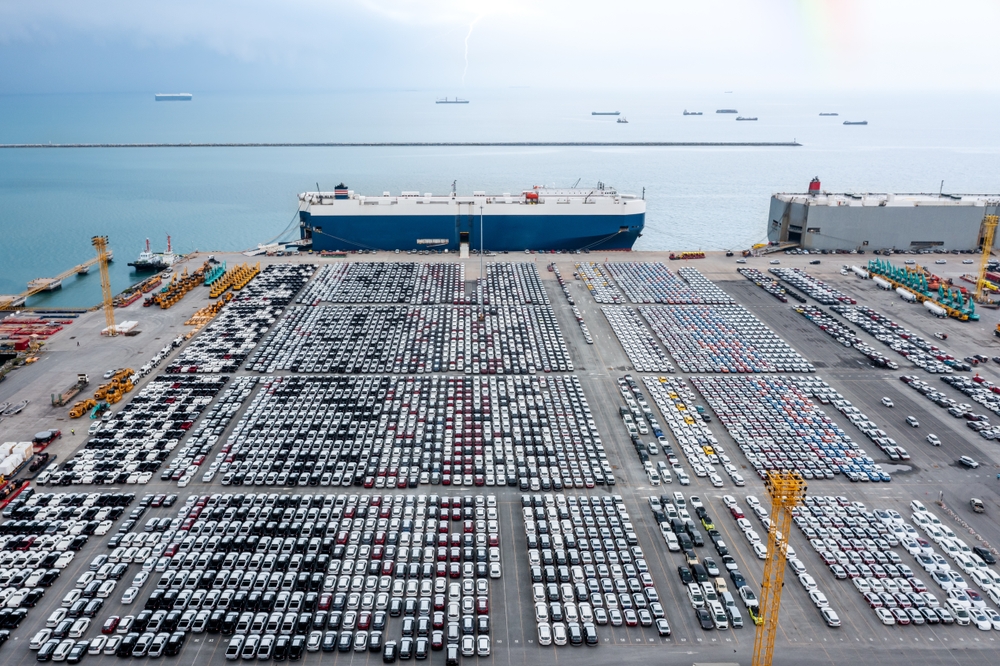
European ports are currently facing significant congestion, effectively turning them into makeshift parking lots due to a glut of imported vehicles, especially electric vehicles (EVs) from China. According to industry leaders, a lack of subsequent transport arrangements is a primary cause of the backlog, with some vehicles reportedly sitting idle for as long as 18 months.
The problem is compounded by a broader slowdown in vehicle sales and various logistical hurdles, such as the scarcity of truck drivers and the required equipment to distribute these vehicles further inland. As a result, ports are being forced to double as storage areas, a role for which they are not designed. This issue is widespread, affecting major European car import hubs like Zeebrugge, Antwerp, and Bremerhaven.
The increasing reliance on ports for storage is symptomatic of larger issues within the car industry, particularly for Chinese brands that are struggling to gain a foothold in Europe. These manufacturers are not moving their stock as quickly as anticipated, leading to significant stockpiles at port facilities. The lack of efficient distribution networks and after-sales services is exacerbating the situation, highlighting the need for Chinese brands to enhance their logistical and customer service operations if they are to compete effectively in the European market.
Moreover, the situation has been worsened by the cessation of EV purchase incentives in Germany, leading to extended storage periods at ports, particularly in Bremerhaven. This port, along with others, has felt the impact of China's aggressive export strategy, which saw a 58% increase in car exports in 2023, pushing European port capacities to their limits.
As the Chinese automotive industry pushes to expand its presence in Europe, it faces not only logistical challenges but also the need to build relationships with local hauliers who are currently prioritizing established brands with regular, large-scale deliveries. This has created a competitive disadvantage for new entrants, who find their vehicles languishing in ports far longer than expected.
The congestion issue is also causing significant operational headaches for shipping companies. Vessels are frequently delayed, with ports like Livorno in Italy and Piraeus in Greece experiencing severe backlogs. These delays ripple through the supply chain, causing disruptions far beyond the ports themselves.
In response to these challenges, some ports have begun demanding proof of onward transport before unloading new shipments, a move aimed at preventing further accumulation of unsold vehicles. This requirement underscores the broader need for improved planning and coordination among automakers, port authorities, and transportation companies.
The current port congestion reflects broader tensions in the global automotive transport system, which has been under strain from increased long-distance vehicle movements. This surge in movement is primarily driven by the rapid increase in Chinese vehicle exports, which have risen sharply as manufacturers seek to keep their production lines busy and tap into Europe’s growing appetite for electric cars.
The congestion at European ports is more than a temporary logistical issue; it represents a significant bottleneck in the global supply chain for cars. As such, it requires a coordinated response from car manufacturers, shipping companies, port authorities, and governments to resolve these disruptions and streamline the flow of new vehicles into European markets.
Meta Rises On The Back Of Connect
Meta’s AI Moment: Can Muse Justify the Bill?There are moments in the market when investors stop asking whether a compa... Read more
A Buyout Of Another British Fintech
Monzo and Nubank: A Marriage of Digital Banking AmbitionMonzo’s reported discussions with Brazil’s Nubank have the p... Read more
Major Players In Crypto Hacked
Crypto's Billion-Dollar Blind Spot: Inside the Bitget Heist and the Revolut Extortion PlotThere is a particular kind of ... Read more
Does The West Have A Problem With Government Bonds
If you have been following the financial pages over the past few weeks, one theme has begun to stand out from the usual ... Read more
Meta Faces Its Big Tobacco Moment
For years, the largest social media companies have faced accusations that their platforms damage young people. They have... Read more
Sequencing Resilience: Defining A New Category
Why the industry must treat Retirement Portfolio Resilience as a distinct allocation alongside retirement income solutio... Read more