

Europes Green Steel Dreams Under Pressure
Europe’s Green Steel Dreams Under Pressure
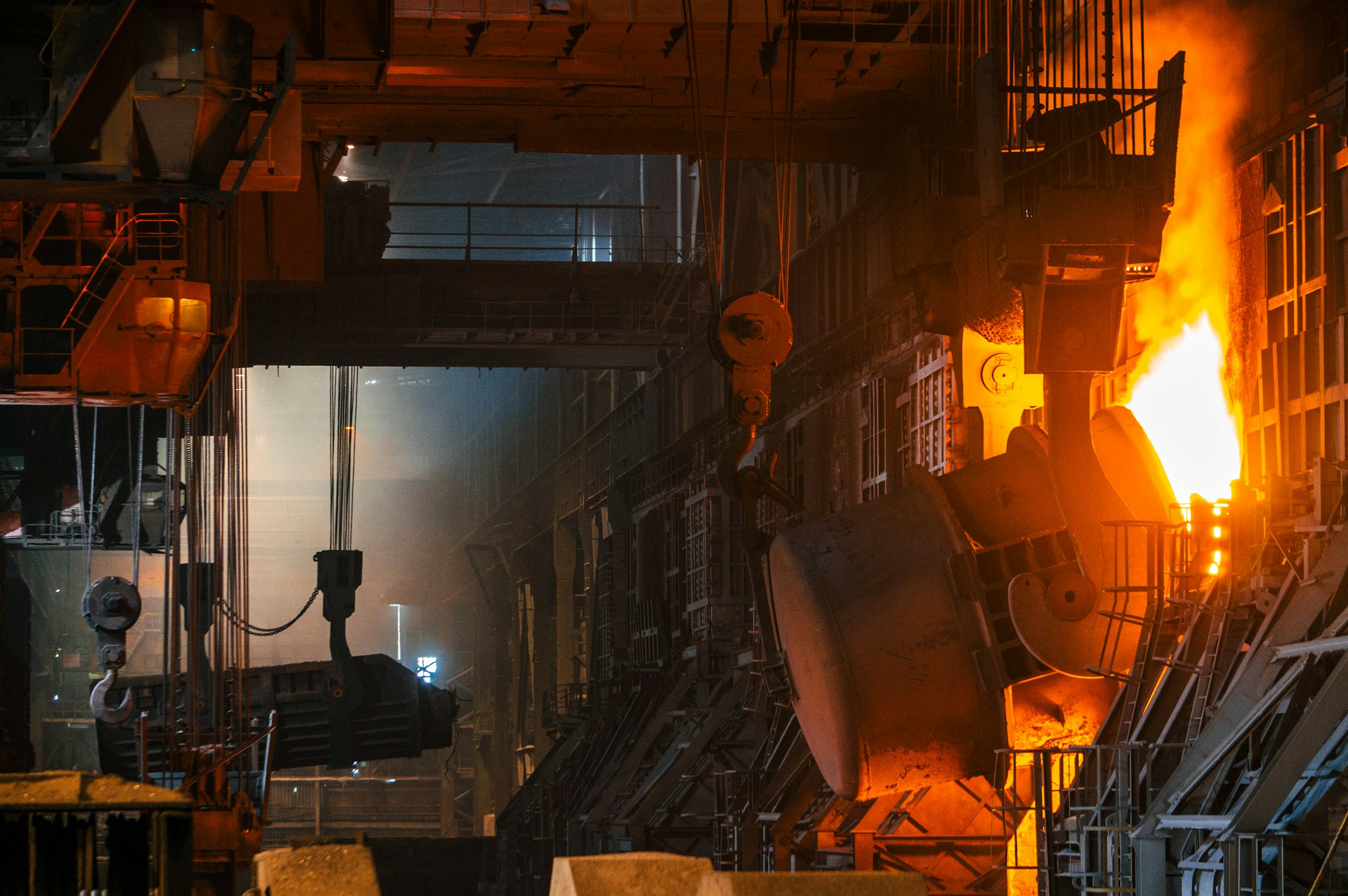
Europe’s ambition to become a leader in green steel production is facing major challenges. Steel companies are battling soaring energy costs, weak market demand, and cheaper imports, especially from China. ArcelorMittal's recent decision to decline over €1 billion in government subsidies for hydrogen-based production highlights this crisis. This move shocked many, demonstrating how severely high energy prices are impacting Europe’s green steel transition.
European steel companies, already struggling with slim profits, find the transition to green steel increasingly difficult. While Europe aims to significantly reduce carbon emissions from steelmaking, high energy prices are complicating these efforts. Currently, energy expenses constitute around 17% of total steel production costs in Europe, far exceeding those in countries like the United States.
Steel remains crucial to Europe’s economy, providing around 300,000 jobs and contributing €191 billion annually. However, it’s also a leading carbon emitter. European steel factories produce about 200 million tonnes of CO₂ each year, roughly 5% of the EU's total emissions, surpassing the annual emissions of entire countries like the Netherlands.
The EU has long sought to drive emission reductions through its emissions trading scheme, which compels companies to purchase carbon permits. While effective in theory, this scheme has unintentionally placed European producers at a disadvantage against low-cost imports, primarily from China. The past year alone saw excess global steel production, driven largely by China, reaching over four times the annual EU steel output.
European steel manufacturers have urged EU policymakers to step in urgently. They seek greater protections against imports and more robust state support to prevent the collapse of green steel initiatives. Currently, less than 1% of European steel production utilises green hydrogen, while around 40% rely on electricity-driven furnaces, still dependent on expensive EU power.
Sweden, initially seen as a beacon for green steel due to its abundant hydropower, has encountered setbacks too. SSAB and Stegra, two prominent Swedish green steel initiatives, have both experienced project delays. Issues have included unreliable power grids and escalating costs, pushing timelines significantly behind schedule.
Thyssenkrupp, another major German steelmaker, remains committed to its green steel targets despite ongoing challenges. Marie Jaroni, the company’s Chief Transformation Officer, acknowledges the current crisis but maintains that the shift to green production is essential and inevitable.
Critics argue the EU’s carbon border tax, meant to protect European producers from cheaper, dirtier imports, has not been effective enough. Markus Krebber, CEO of energy giant RWE, highlighted the growing prioritisation of affordability over rapid decarbonisation, hinting at the difficult balancing act policymakers face between speed and cost.
Steel industry executives believe more comprehensive EU policies are needed. Axel Eggert from Eurofer has stressed the importance of swift governmental action. He argues that policy support could potentially reverse recent decisions to halt or delay projects.
Experts warn that Europe risks losing its basic steel manufacturing capabilities if it cannot manage this transition effectively. Countries with abundant renewable energy sources, such as Morocco, could become more competitive steel producers in the long run, potentially sidelining Europe's heavy industries.
A coordinated and comprehensive response from European governments is essential. Policymakers must integrate climate, industrial, and economic objectives to safeguard the future of the European steel industry. Without urgent action, Europe's vision of becoming a global leader in green steel could falter, impacting jobs, economies, and crucially, climate targets.
What's Next?
European governments are expected to announce new measures, possibly revising the carbon border tax and enhancing state aid. However, without significant intervention, Europe’s green steel ambitions may continue to face daunting obstacles, potentially reshaping the continent’s industrial landscape for decades to come.
Meta Rises On The Back Of Connect
Meta’s AI Moment: Can Muse Justify the Bill?There are moments in the market when investors stop asking whether a compa... Read more
A Buyout Of Another British Fintech
Monzo and Nubank: A Marriage of Digital Banking AmbitionMonzo’s reported discussions with Brazil’s Nubank have the p... Read more
Major Players In Crypto Hacked
Crypto's Billion-Dollar Blind Spot: Inside the Bitget Heist and the Revolut Extortion PlotThere is a particular kind of ... Read more
Does The West Have A Problem With Government Bonds
If you have been following the financial pages over the past few weeks, one theme has begun to stand out from the usual ... Read more
Meta Faces Its Big Tobacco Moment
For years, the largest social media companies have faced accusations that their platforms damage young people. They have... Read more
Sequencing Resilience: Defining A New Category
Why the industry must treat Retirement Portfolio Resilience as a distinct allocation alongside retirement income solutio... Read more