

Europes Car Industry Faces Prolonged Freeze
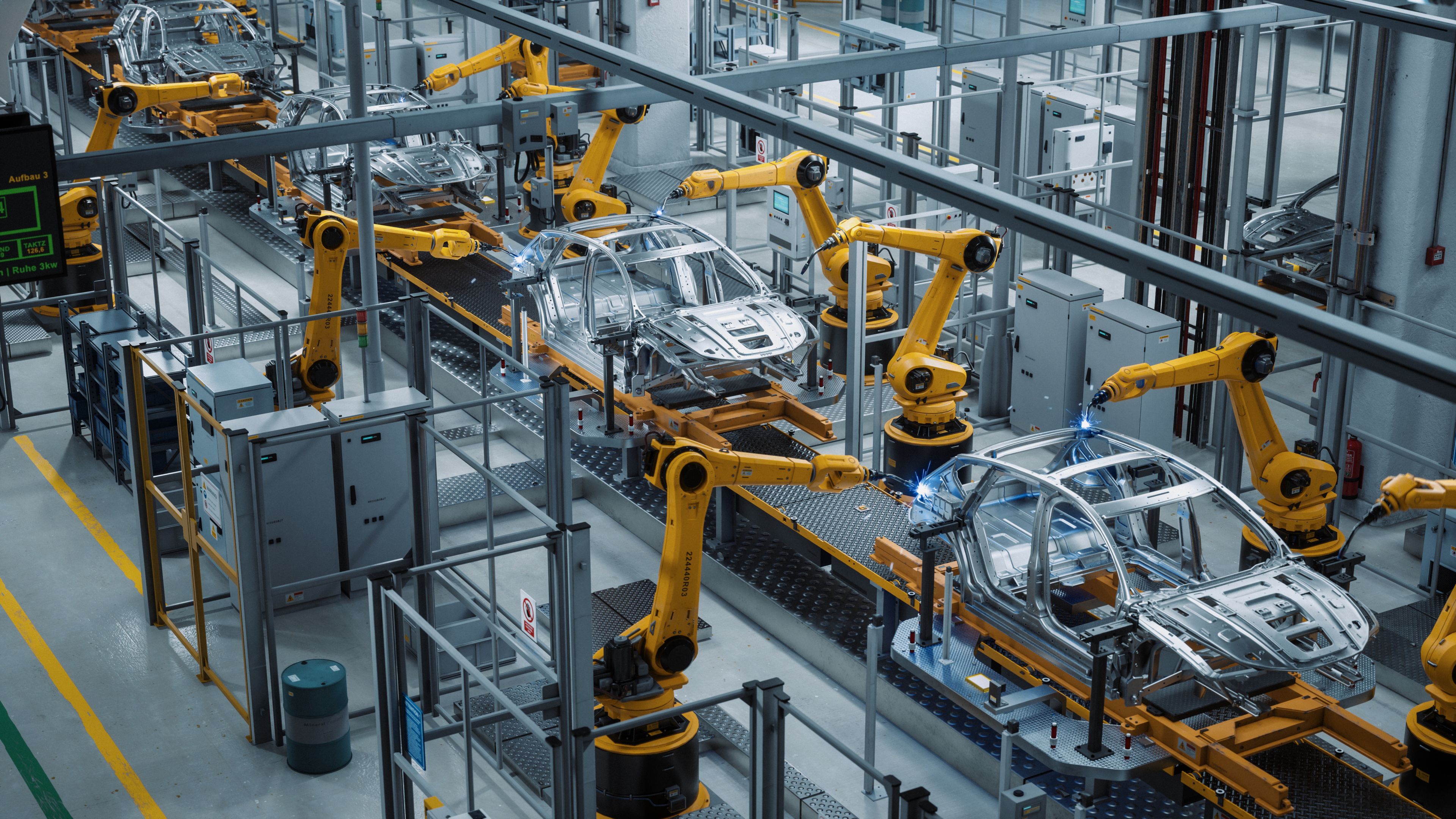
As the new year unfolds, Europe’s car industry—a long-standing barometer of economic health—remains in the grip of a deep freeze. Once a vital sign of consumer confidence and financial security, the sector now tells a more sobering story of shrinking demand, regulatory pressure, and global competition. The shift toward electric vehicles (EVs), intended to reinvigorate the market, has instead deepened the crisis, leaving suppliers and manufacturers alike navigating treacherous terrain.
Job Losses Signal a Struggling Industry
The scale of the challenge became starkly evident in 2024, as job cuts at Europe’s car parts suppliers more than doubled to over 30,000, compared to 15,000 the previous year. Since 2020, the industry has shed a net 58,000 jobs, with no sign of recovery in sight. The decline reflects a slowdown in car sales, leaving suppliers saddled with excess capacity and dwindling prospects for growth.
Major names such as Michelin and Bosch have led the charge in downsizing, with Michelin recently announcing the closure of two French factories and the loss of over 1,200 jobs. Meanwhile, smaller firms have faced an even harsher fate, with many filing for insolvency as falling orders from European carmakers erode their viability.
Christian Kleinjung, CEO of German car parts firm AE Group, summed up the plight of smaller players after his company’s closure: “Attempts to restructure could not offset the slump in demand from car manufacturers.”
The Electric Vehicle Paradox
For an industry placing its bets on EVs, the returns have been lacklustre. Driven by EU regulations that aim to phase out combustion engine cars by 2035, manufacturers have poured billions into electrification. Yet consumer enthusiasm has lagged, with the high cost of EVs and reduced subsidies in key markets like Germany dampening sales.
A 2024 report by CLEPA, the European Association of Automotive Suppliers, revealed a troubling statistic: more EV-related jobs were lost than created during the year, with 4,680 roles cut, compared to 4,450 new positions. This underscores a harsh reality: the transition to EVs has failed to compensate for the decline in traditional automotive production.
Laurent Favre, CEO of French supplier OPMobility, illustrated the broader challenge: “Our ten European factories making fuel tanks face inevitable cuts. The activity is simply disappearing.”
A Perfect Storm of Global Competition and Legislative Pressure
Europe’s automotive woes are not solely self-inflicted. Chinese automakers, buoyed by lower production costs, are steadily increasing their presence in the region. Industry experts warn that this trend will intensify, with Chinese brands likely to assemble vehicles in Europe using imported parts. Marc Mortureux, head of France’s Automotive & Mobility Industry Platform, cautioned that any growth in Europe’s car market would likely be consumed by imports.
Adding to the pressure is a raft of stricter EU carbon emissions regulations set to take effect in 2025. These rules, while essential for achieving climate goals, risk compounding the financial burden on manufacturers and suppliers struggling to adapt. Critics argue that such policies are misaligned with market realities, where consumer demand for EVs remains tepid.
Economic Implications and the Year Ahead
The automotive industry has long been seen as a bellwether for the broader economy, with rising car sales traditionally signalling increased consumer confidence. The current freeze, therefore, points to a deeper malaise in Europe, where inflation, post-pandemic supply chain disruptions, and the war in Ukraine have all taken a toll.
For suppliers, the stakes are particularly high. Stéphane Destugues of France’s CFDT union accused manufacturers of driving down costs to such an extent that suppliers cannot invest in the future. “It’s squeezing margins to the bone,” he said, adding that this approach jeopardises both jobs and innovation.
Searching for Growth Beyond Europe
Amid the gloom, some companies are looking abroad for survival. OPMobility, for example, has launched new operations in the US to serve clients like Tesla and is expanding in China. “We must stick with historic clients, but real growth is elsewhere,” said Favre. “We see little to no significant recovery in Europe’s automotive sector over the next five years.”
Even larger firms are taking long-term measures to weather the storm. Forvia, a supplier of dashboards and exhaust systems, announced plans to cut 10,000 jobs by 2028, reflecting a belief that the industry’s challenges will persist for years.
The Road Ahead: A Sector at a Crossroads
The freeze gripping Europe’s car industry shows no sign of thawing in the months ahead. Suppliers, manufacturers, and policymakers face an urgent choice: adapt to new market dynamics or risk losing ground to global competitors. Industry leaders have called for a rethink of EU policies, urging more incentives for EV adoption and a reassessment of emissions penalties that could stifle investment.
But even with policy changes, the road ahead will be difficult. The EV transition is inevitable, yet it demands significant public buy-in, cost reductions, and infrastructure improvements—all of which remain elusive. For now, Europe’s car industry stands as a stark reminder of the challenges of balancing economic ambition with consumer reality.
As the new year begins, the sector’s struggles may deepen before any recovery takes hold. Whether Europe’s automotive industry can navigate this perfect storm or succumb to external pressures will shape its role in the global market for decades to come.
Meta Rises On The Back Of Connect
Meta’s AI Moment: Can Muse Justify the Bill?There are moments in the market when investors stop asking whether a compa... Read more
A Buyout Of Another British Fintech
Monzo and Nubank: A Marriage of Digital Banking AmbitionMonzo’s reported discussions with Brazil’s Nubank have the p... Read more
Major Players In Crypto Hacked
Crypto's Billion-Dollar Blind Spot: Inside the Bitget Heist and the Revolut Extortion PlotThere is a particular kind of ... Read more
Does The West Have A Problem With Government Bonds
If you have been following the financial pages over the past few weeks, one theme has begun to stand out from the usual ... Read more
Meta Faces Its Big Tobacco Moment
For years, the largest social media companies have faced accusations that their platforms damage young people. They have... Read more
Sequencing Resilience: Defining A New Category
Why the industry must treat Retirement Portfolio Resilience as a distinct allocation alongside retirement income solutio... Read more