

EU Prepares Fightback Against US Tariffs
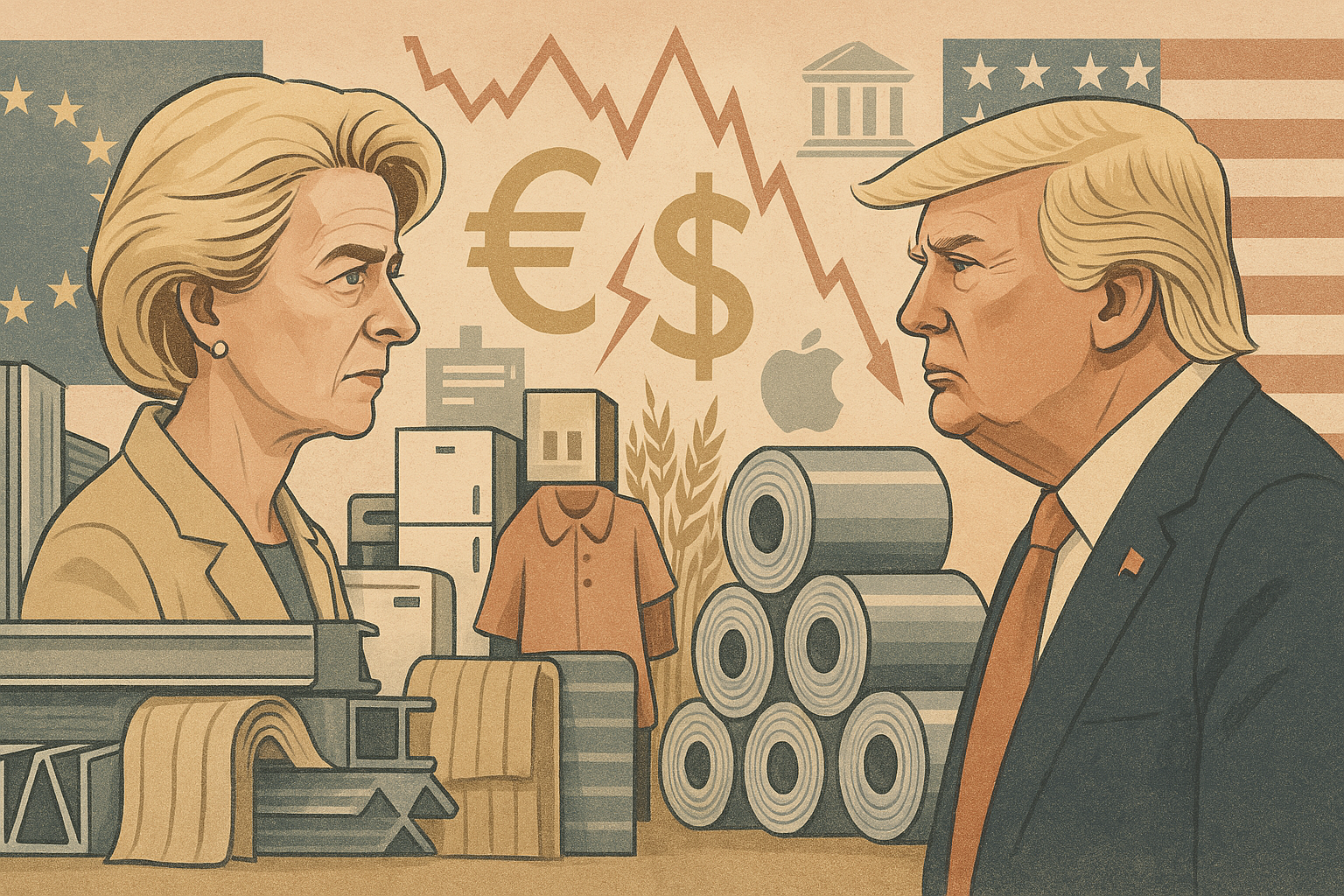
Tensions between the European Union and the United States are escalating sharply as Europe gears up for a strong response to US President Donald Trump's latest round of reciprocal tariffs, due to take effect this April. The European Commission, under the leadership of President Ursula von der Leyen, has signalled clearly that while diplomacy remains their preferred path, Europe is ready and willing to retaliate decisively if pushed.
Von der Leyen's recent statements to EU lawmakers underline the seriousness of the situation. She warned explicitly that "all instruments are on the table" should the US proceed without negotiation. Europe maintains that it has not provoked this trade dispute but asserts confidently that it will act with "unity and determination" to safeguard its economic interests.
What's at stake?
The proposed US tariffs are seen as particularly damaging, targeting core EU industries like steel, aluminium, textiles, home appliances, and agricultural goods. In response, Brussels is preparing a counter-tariff package worth approximately $28 billion, which could take effect as soon as mid-April. This retaliation could have significant impacts on major American businesses and sectors, potentially triggering broader economic repercussions on both sides of the Atlantic.
However, Europe's preparations are not limited solely to imposing tariffs on goods. The EU is also contemplating additional regulatory actions against powerful US technology and financial services companies. Such measures could affect major players from Silicon Valley giants to prominent Wall Street institutions, increasing pressure on the US economy and highlighting the gravity of Europe's retaliatory options.
Von der Leyen's strategic approach
To confront these rising trade tensions effectively, von der Leyen has introduced a clear three-part strategy:
Negotiation from Strength: Europe is leveraging its large Single Market, the biggest unified trading zone globally, and advanced technological capacities. This powerful position is designed to give the EU a robust negotiating stance, forcing the US to reconsider the cost of tariffs.
Trade Diversification: The EU aims to reduce its dependency on any single trading partner, including the US, by expanding trade agreements with rapidly growing markets globally, notably in Asia and Africa. This strategy aims to secure Europe's economic resilience amid increasing trade disputes worldwide.
Strengthening the Single Market: Internally, the EU plans to remove barriers that limit cross-border commerce within its member states. A stronger, more integrated European economy would better withstand external economic shocks and enhance the EU's negotiation position in international disputes.
Financial markets react
Markets have already started feeling the impact of this looming trade conflict. In the US, indices like the S&P and Nasdaq recently suffered their worst quarterly results since 2022, reflecting investor nervousness. Analysts suggest that this downturn may be the beginning of a more significant trend, should trade relations deteriorate further.
Both Europe and the US are acutely aware of the potential for escalating trade conflicts to cause lasting economic harm. Von der Leyen specifically warned that continued tariff wars would lead to higher consumer prices, increased inflation, and job losses, particularly in US manufacturing sectors heavily reliant on European imports.
For Europe, retaliation carries its own risks. American counter-countermeasures could further impact Europe's exports, particularly in industries already vulnerable from previous global disruptions. Despite this risk, Brussels' current stance suggests that EU leaders see their retaliation as both justified and essential to preserving the bloc's economic sovereignty.
Controversy and criticisms
Critics argue that Europe's aggressive approach may exacerbate tensions rather than resolve them, potentially causing long-term damage to transatlantic relations. However, proponents contend that Europe's assertiveness is essential, claiming past leniency with the Trump administration resulted in continued tariff threats. From this perspective, Europe's firm stance is a strategic necessity to deter future unilateral actions by the US and other trade partners.
Europe's strategy also reflects broader geopolitical concerns. By firmly resisting US pressures, Brussels is signaling globally that it will not be coerced by unilateral economic actions, setting a precedent for future international negotiations.
What's next
The next few weeks are crucial. The EU and US still have a narrow window to find a diplomatic solution before tariffs escalate further. High-level negotiations are expected to continue, with both sides seeking compromises that can avert a broader trade war. Should these talks fail, the market response could intensify, and economic consequences might become increasingly difficult to contain. Europe is prepared for a drawn-out conflict but prefers a swift resolution. The coming days will reveal whether the US and EU can reconcile their differences or whether an economic battle becomes inevitable.
Meta Rises On The Back Of Connect
Meta’s AI Moment: Can Muse Justify the Bill?There are moments in the market when investors stop asking whether a compa... Read more
A Buyout Of Another British Fintech
Monzo and Nubank: A Marriage of Digital Banking AmbitionMonzo’s reported discussions with Brazil’s Nubank have the p... Read more
Major Players In Crypto Hacked
Crypto's Billion-Dollar Blind Spot: Inside the Bitget Heist and the Revolut Extortion PlotThere is a particular kind of ... Read more
Does The West Have A Problem With Government Bonds
If you have been following the financial pages over the past few weeks, one theme has begun to stand out from the usual ... Read more
Meta Faces Its Big Tobacco Moment
For years, the largest social media companies have faced accusations that their platforms damage young people. They have... Read more
Sequencing Resilience: Defining A New Category
Why the industry must treat Retirement Portfolio Resilience as a distinct allocation alongside retirement income solutio... Read more