

China Warns Trump: No Winners In A Trade War
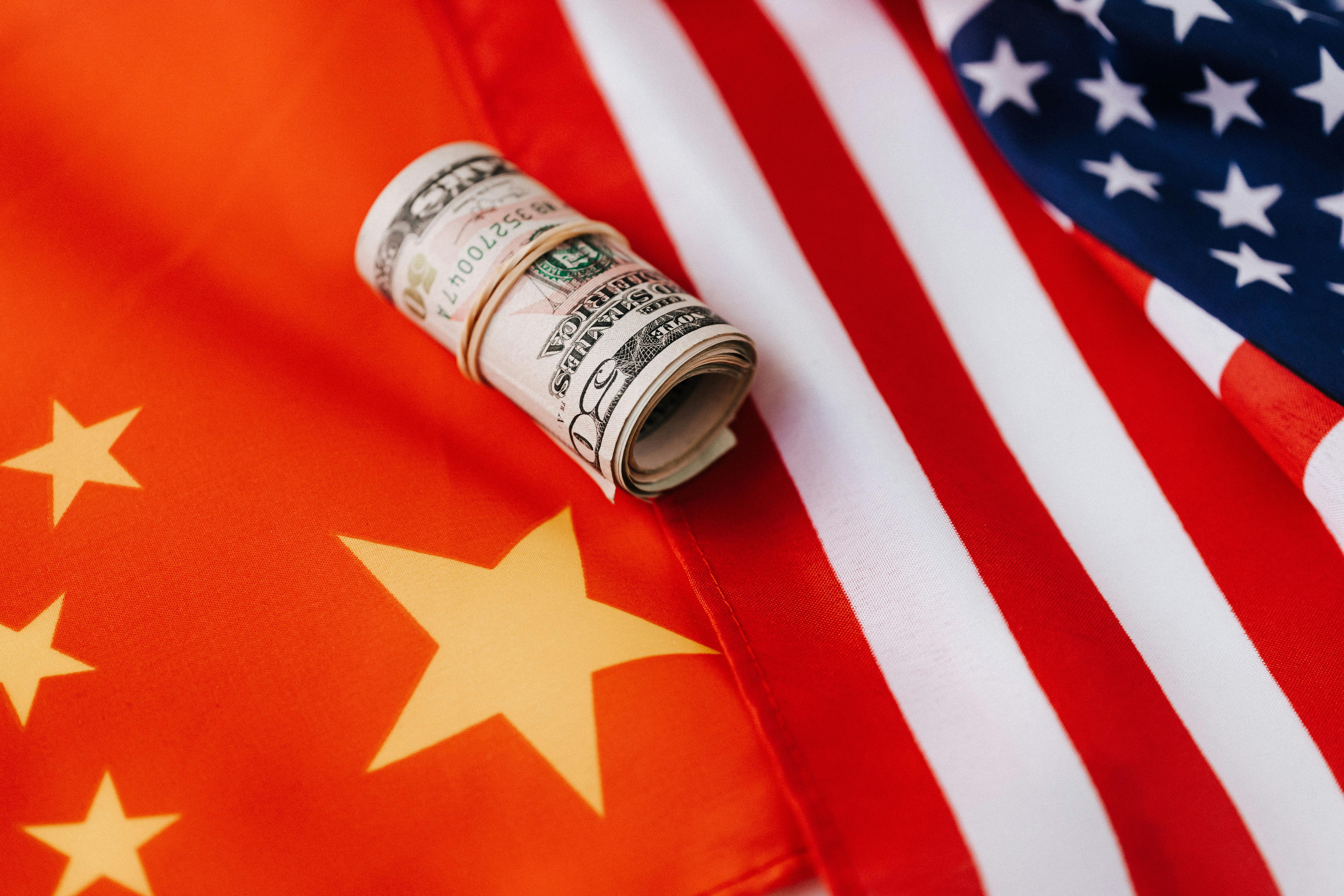
China has issued a stark warning to the US, with Vice-Premier Ding Xuexiang cautioning against protectionist policies that could lead to global divisions and economic confrontation. Speaking at the World Economic Forum in Davos, Ding called for greater cooperation and a new phase of globalisation, urging nations to move away from a “zero-sum” mindset.
His comments follow a flurry of executive orders from Donald Trump, signed just hours after his inauguration. Among them was the threat of 25% tariffs on Canadian and Mexican imports as early as February. While no immediate tariffs on China were announced, Trump warned that Chinese firms could face action, including divesting stakes in TikTok. On the campaign trail, Trump had also pledged to impose duties of up to 60% on Chinese goods entering the US.
Ding highlighted the dangers of such policies, warning that dividing the global economy into rival blocs could lead to “unimaginable consequences.”
“It would be difficult for humanity to address common challenges together. In the worst case, we could lapse into confrontation,” he said. “That would be a situation where no country can stay unaffected. We need to act to narrow divisions and firmly oppose zero-sum and cold war mentalities.”
A Call for Balanced Trade
The vice-premier struck a conciliatory tone, extending an olive branch to the Trump administration. He emphasised that China is committed to pursuing “balanced trade” and is keen to “import more quality products and services.”
The message is significant given the US-China trade imbalance, with China’s goods trade surplus exceeding $100 billion. The Trump administration has long accused Beijing of engaging in unfair competition, a charge that has fuelled tensions between the two economic superpowers.
In a move that underscores his combative stance on global agreements, Trump addressed the Davos gathering remotely, reiterating the US’s withdrawal from key international accords. These include the Paris Climate Agreement, the World Health Organisation, and a global deal on minimum corporate tax rates negotiated through the Organisation for Economic Co-operation and Development (OECD).
Domestic Challenges and Economic Recovery
Ding acknowledged the challenges facing China’s economy, which he described as suffering from “temporary pain” in the wake of the pandemic. However, he dismissed the need for drastic counter-cyclical measures, instead signalling targeted steps to stabilise growth.
“We will intensify the package of incremental policies to boost real estate, the stock market, and restore public confidence,” Ding said. “This year, China will intensify its proactive fiscal policy and accommodative monetary policy while vigorously boosting consumption, facilitating innovation in industry, and developing capital markets.”
China’s government aims to achieve annual GDP growth of 5% through a combination of export expansion and increased consumer spending. Analysts believe additional stimulus measures could be announced as early as March, complementing the $1.5 trillion in credit easing rolled out last year.
The Path Forward
The vice-premier’s remarks underline China’s determination to counter the fallout from global tensions while maintaining a steady path of domestic reform. By focusing on balanced trade and economic innovation, Beijing appears to be signalling a willingness to cooperate with Washington—provided there is mutual respect.
As Trump’s trade threats loom, the stakes are high. Ding’s warning serves as a reminder that in a trade war, there are no winners—only shared costs.
Meta Rises On The Back Of Connect
Meta’s AI Moment: Can Muse Justify the Bill?There are moments in the market when investors stop asking whether a compa... Read more
A Buyout Of Another British Fintech
Monzo and Nubank: A Marriage of Digital Banking AmbitionMonzo’s reported discussions with Brazil’s Nubank have the p... Read more
Major Players In Crypto Hacked
Crypto's Billion-Dollar Blind Spot: Inside the Bitget Heist and the Revolut Extortion PlotThere is a particular kind of ... Read more
Does The West Have A Problem With Government Bonds
If you have been following the financial pages over the past few weeks, one theme has begun to stand out from the usual ... Read more
Meta Faces Its Big Tobacco Moment
For years, the largest social media companies have faced accusations that their platforms damage young people. They have... Read more
Sequencing Resilience: Defining A New Category
Why the industry must treat Retirement Portfolio Resilience as a distinct allocation alongside retirement income solutio... Read more