

Apple's $99M Bet On Green China
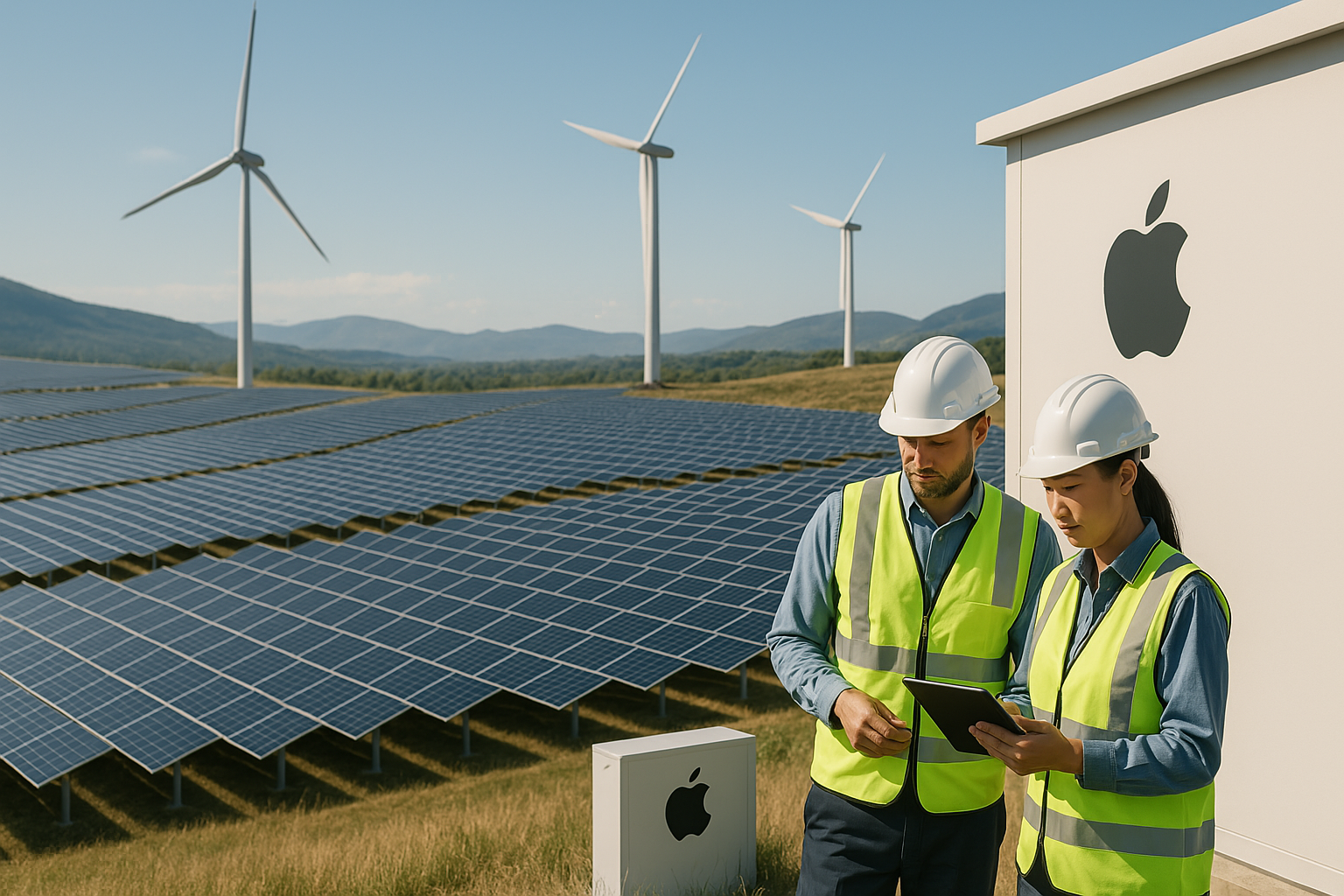
Apple Inc. has unveiled a new $99 million renewable energy fund dedicated to expanding clean energy production in China. Managed by the respected British asset management firm Schroders, the fund is the latest phase in Apple's ongoing push towards achieving a completely renewable energy supply chain by 2030. This ambitious investment marks a significant step forward, not only environmentally but also financially, reflecting the increasing global trend towards sustainable business practices.
This new fund builds directly on the success of Apple's initial China Clean Energy Fund, established in 2018, which surpassed many of its original targets. The first fund created renewable energy projects amounting to more than one gigawatt, equivalent to powering hundreds of thousands of homes annually. Spread across 14 provinces, these projects have played a significant role in transitioning China's power grid away from fossil fuels towards more sustainable energy sources.
Apple's strategy is notably holistic. It involves close collaboration with suppliers, financial institutions, and local governments to accelerate the adoption of renewable energy. Over 100 suppliers currently contribute to Apple's clean energy initiatives in China. This networked approach ensures scalability and broader impact, making it easier for other companies to follow suit.
One of the central aspects of Apple's renewable energy strategy is its collaborative framework. By aligning interests between suppliers, investors, and Apple itself, the company creates strong incentives for all stakeholders to participate in sustainability efforts. Moreover, structuring the fund to offer financial returns alongside environmental benefits makes it an attractive option for traditional investors seeking stable and impactful investments.
The $99 million investment aims to add approximately 550,000 megawatt-hours annually to China's renewable energy capacity, primarily through wind and solar projects. This addition is substantial, capable of significantly reducing carbon emissions and contributing to cleaner air quality across Chinese cities. Apple’s environmental ambitions are aligned closely with the Chinese government’s sustainability targets, helping to strengthen the company's relationships and operational stability in a crucial market.
However, Apple's initiative is not without its critics. Some industry analysts argue that the scale of Apple's investment, though impressive, may only scratch the surface given China's massive energy consumption needs. China's industrial energy requirements continue to grow rapidly, and renewable sources currently meet only a fraction of overall demand. To these critics, Apple's latest fund is symbolically powerful but practically limited without broader systemic changes in energy policy and infrastructure.
Furthermore, concerns have been raised regarding the actual transparency and accountability of such investments. Critics suggest that although Apple's intentions appear commendable, the complex web of international finance and Chinese local government engagement raises questions about the genuine effectiveness of these projects in the long term.
Yet supporters point out the precedent-setting nature of Apple's investments. As one of the world’s largest and most influential companies, Apple’s commitment significantly elevates the global profile of corporate sustainability. Tim Cook, Apple's CEO, highlighted this point during the China Development Forum in Beijing, underscoring that large-scale businesses must lead by example to encourage widespread corporate action towards environmental responsibility.
Apple's carbon neutrality strategy also incorporates innovation in green manufacturing processes. Suppliers are being encouraged not merely to adopt renewable energy but also to innovate in smart manufacturing techniques. Such innovations aim to reduce overall energy consumption, waste, and inefficiencies, thus further amplifying the fund’s impact.
Given the complexities of global supply chains, Apple's targeted approach towards regional initiatives like the China Clean Energy Fund is increasingly viewed as strategically sound. Tailored solutions to local challenges promise higher effectiveness and quicker implementation compared to generalized global strategies.
What's next
Apple's next steps involve scaling up renewable initiatives in other key manufacturing hubs, including India and Vietnam, which are rapidly becoming significant manufacturing bases. Additionally, further engagement with global finance institutions to create new, attractive, and sustainable investment vehicles appears likely. Apple's strategy may prompt similar moves by other large corporations, potentially accelerating a global corporate race towards renewable energy investments and carbon neutrality.
Meta Rises On The Back Of Connect
Meta’s AI Moment: Can Muse Justify the Bill?There are moments in the market when investors stop asking whether a compa... Read more
A Buyout Of Another British Fintech
Monzo and Nubank: A Marriage of Digital Banking AmbitionMonzo’s reported discussions with Brazil’s Nubank have the p... Read more
Major Players In Crypto Hacked
Crypto's Billion-Dollar Blind Spot: Inside the Bitget Heist and the Revolut Extortion PlotThere is a particular kind of ... Read more
Does The West Have A Problem With Government Bonds
If you have been following the financial pages over the past few weeks, one theme has begun to stand out from the usual ... Read more
Meta Faces Its Big Tobacco Moment
For years, the largest social media companies have faced accusations that their platforms damage young people. They have... Read more
Sequencing Resilience: Defining A New Category
Why the industry must treat Retirement Portfolio Resilience as a distinct allocation alongside retirement income solutio... Read more