

RBI's Retail Loan Curbs: Indian Banks Adjust To RBI's Stricter Lending Rules
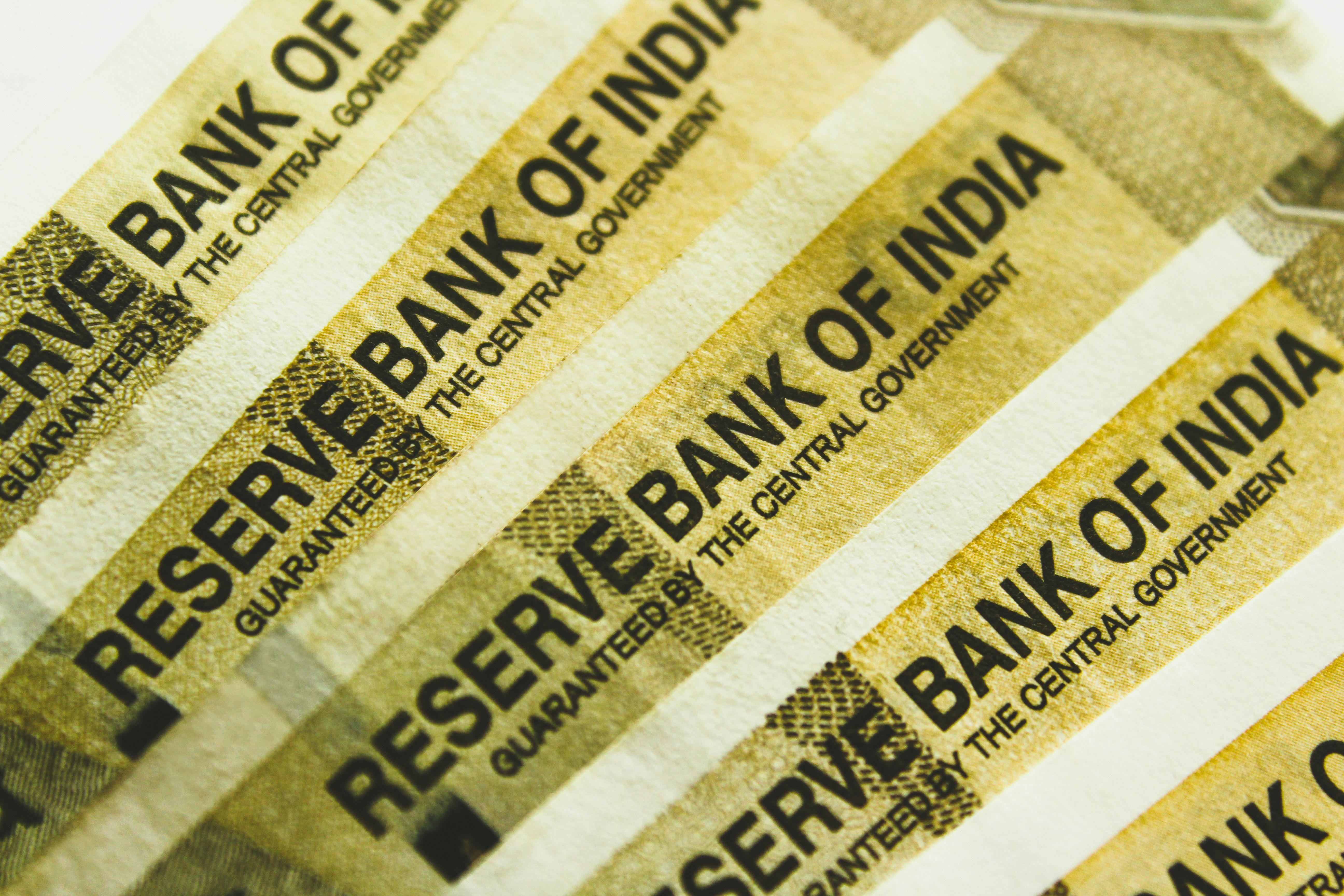
The Reserve Bank of India (RBI) has introduced stricter retail lending rules, prompting Indian banks to recalibrate their strategies to maintain profitability while ensuring financial stability. These measures, aimed at curbing excessive borrowing and mitigating risks, have created immediate challenges for banks but also hold the potential to foster long-term resilience in the financial sector.
The RBI’s Lending Curbs
The RBI’s recent policy changes impose tighter controls on retail lending, including stricter eligibility criteria and limits on loan sizes. These measures were introduced in response to a period of exuberant household borrowing, during which millions of households took on significant debt. The central bank’s goal is to address the risks associated with over-leveraged consumers and maintain the overall health of the banking system.
During the borrowing boom, retail loans became a key revenue driver for banks. However, the sharp increase in household debt has now resulted in rising defaults, pushing the RBI to intervene with tighter regulations.
The Impact on Indian Banks
The stricter lending rules have directly impacted banks’ profitability, particularly in the retail segment. With retail loans accounting for a significant portion of revenue, many banks are now grappling with reduced income from this sector. Additionally, provisions for bad loans have increased as households struggle to meet repayment obligations.
Smaller and mid-sized banks, which rely heavily on retail lending, face the greatest challenges. For these institutions, the new regulations have disrupted business models, forcing them to explore alternative revenue streams to offset losses.
Adjustments in Banking Strategies
In response to the RBI’s curbs, banks are rethinking their approaches to lending and revenue generation. Key adjustments include:
Shift Toward Corporate Lending: With retail lending restricted, banks are exploring opportunities in corporate loans, focusing on large and stable businesses to balance risk and returns.
Stricter Credit Assessments: To minimize defaults, banks are adopting more rigorous credit assessment processes for retail customers. These include enhanced scrutiny of income levels, repayment histories, and overall creditworthiness.
Emphasis on Digital Banking: Banks are investing in financial technology to streamline operations, reduce costs, and improve customer experiences. Digital solutions also enable better monitoring of borrower behavior and faster loan processing.
Implications for Customers and the Economy
Tighter lending rules have made it more challenging for households to access loans, particularly for consumption and investment purposes. This shift could result in reduced consumer spending, potentially slowing economic growth.
At the same time, alternative lenders, such as non-banking financial companies (NBFCs), may step in to meet the demand for retail loans. While this provides an opportunity for borrowers, it also introduces risks, as NBFCs typically operate under less stringent regulatory oversight.
Long-Term Outcomes for the Financial Sector
Despite the short-term challenges, the RBI’s measures could yield positive long-term outcomes for the banking sector. By promoting more cautious lending practices, the new rules aim to reduce systemic risks and enhance financial stability.
A more resilient banking environment, with a balanced approach to retail and corporate lending, could emerge from these adjustments. Banks that successfully adapt to the changes will likely be better positioned to weather future economic uncertainties.
Conclusion
The RBI’s stricter retail lending rules have created significant hurdles for Indian banks, forcing them to adapt their strategies and explore new opportunities. While the immediate impact on profitability and consumer access to credit is evident, these measures also set the stage for a healthier financial ecosystem. By balancing regulatory oversight with sustainable growth, the banking sector can navigate this period of transition and emerge stronger in the long run.
Author: Ricardo Goulart
Revoluts Australian Banking Licence Game Changer
Revolut has spent much of its life insisting that it is more than a bank. In Australia, it has now decided that becoming... Read more
The AI Bank Is Coming, But Who Controls The Risk?
Artificial intelligence is no longer something banks discuss as a distant possibility. It is already working behind the ... Read more
ClearBank UK Profit Leads To European Growth
ClearBank has spent much of the past decade building the technology and regulatory infrastructure needed to challenge so... Read more
Bank Of London Continues To Rebuild
ClearBank’s progress shows that modern clearing and banking infrastructure can become a sizeable and profitable busine... Read more
JPMorgan's Berlin Moment: Chase Takes On Europe
There is something quietly symbolic about JPMorgan Chase choosing Berlin as its gateway into continental Europe. In a fo... Read more
What Strategy's Bitcoin Sale Really Tells Us
There is a moment in every bull run when the narrative starts to fray. Not with a crash, not with a scandal, but with so... Read more