

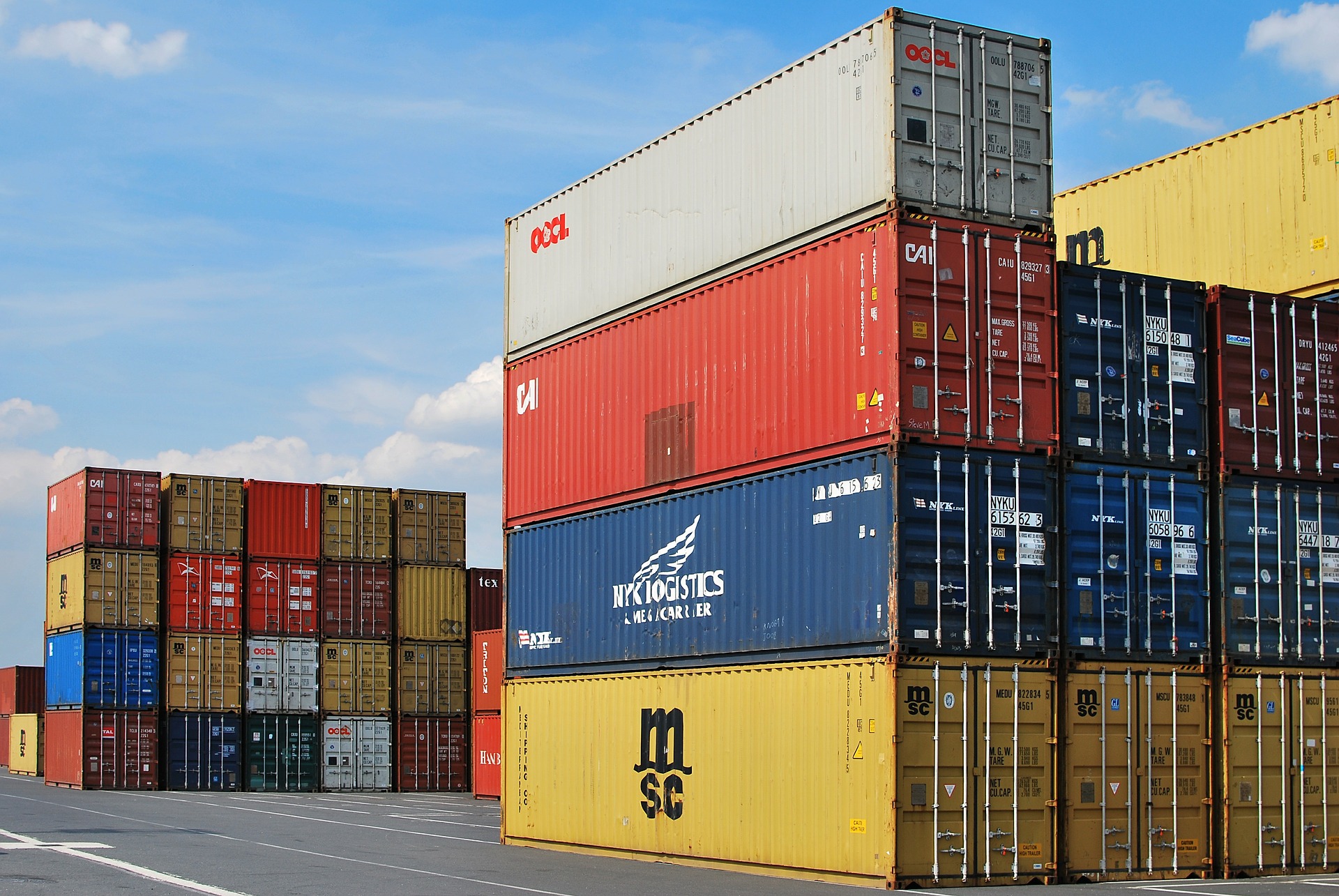
- In 2020, the U.S was the largest importer of EU exports (18.3 %) and the second largest importer of EU goods (11.8 %).
- Among all EU Member States, Germany was both the largest importer of goods from and the largest exporter of goods to the U.S.
- Delineating the main economic differences and similarities between the EU and the U.S.
Indubitably, there are many economic similarities and differences between the EU and the United States.
As we will illustrate below, these differences and similarities pervade a variety of economic aspects, including business entity structures, social initiatives and policies, and wages. Obviously, one of the most fundamental differences between the European Union and the U.S. is that the EU is not a federation; while it may 'evolve' into a similar structure in the future, it should be noted that current comparisons remain limited to a mild extent.
Other aspects of the two entities additionally make them difficult to compare adequately; the EU Byzantine decision making system, for example, adopts a much more complicated approach to the legislative procedures found in the U.S. On the other hand, the presence of monarchies and aristocracies within a plethora of EU member states (in conjunction with several multi-party systems) would never be found within the U.S.
Nevertheless, we have investigated the key economic similarities and differences between the U.S and the UK, and considered a variety of historical and socio-economic contexts.
Economic Similarities Between The U.S and EU
The U.S and the EU indubitably share a variety of cultural and political similarities; unsurprisingly, this trend is consistent in an economic context as well. Let's take a look at some of the similarities.
High Levels of Development
One of the most apparent and self-explanatory ways in which the USA and the European Union are similar in an economic context lies in the high standard of living that their inhabitants enjoy- differentiating them from the vast majority of countries around the world.
Even though this can range significantly between U.S states (and even more significantly between EU member states), the holistically high level of human development is very easily quantifiable when contrasted with most other nations; practically every aggregate descriptor used (including the Human Development Index (HDI)), has ranked the populations of the U.S and the EU very highly in comparison to even the most developed countries.
Of course, development can range significantly (particularly in relation to business structures). The U.S is prominent for being home to a variety of valuable incorporation services which are seldom found in the EU.
A recent report produced by the IncorporationRocket serves as a great example of this, as the company provides information that relates to a variety of tailored business formation services for every single U.S state- considering a prolific number of providers in the process.
Subsidized Agriculture
Subsiding the agriculture industry is actually prevalent in the majority of the developed nations around the globe; obviously, this includes both the European Union and the United States.
In pragmatic terms, this means that their food industries are not subject to the unpredictable and sometimes harsh consequences of a ''free market''. There are a variety of crucial reasons for doing this, as it ensures that the essential agriculture industry remains balanced and sustainable, and no inadvertent spikes in prices or shortages in supply occur in the most crucial sub-sectors of the agricultural industry (such as in dairy, meat and wheat).
Economic Differences Between EU and U.S.
Having said that, the economic differences between the EU and the U.S. remain very significant in a variety of areas.
Economic Ownership Structures
Economic differences in ownership structures stem from differences in philosophical beliefs at a state level; in the EU, government initiatives and policies were developed so as to ensure that the state maintains a key role in the economy.
In the U.S, on the other hand, the government ensures that certain economic losers of the free market (such as leading car manufacturers) are allowed to operate in ways that will enable the government to support them in moments of crises despite any losses or debts incurred.
This is the so-called concept of ''lemon socialism''- whereby any losses incurred by a private business are socialized, which (generally speaking) would be completely unacceptable for most European countries. In the EU, public ownership of several corporations is allowed, even if there is an on-going initiative that is pushing towards increased privatization in a specific industry.
Whilst not a EU member state at the moment, the United Kingdom was the most accurate reflection of a move towards privatization in the past, which was met with significant backlash from the public- reflecting the fundamental economic differences in social and economic ownership at a government level between the U.S and Europe.
Inequalities Between States
Economically speaking, the U.S and the EU are also significantly different in terms of income equality and distribution of wealth.
For example, even though some EU members (such as Italy, Portugal, and Greece) are amongst the least developed nations of any OECD country according to the relevant indexes available, even the most unequal European state (the United Kingdom) has significantly higher levels of income equality in comparison to the USA.
This is interesting, as the UK (who is prominent for its significant aristocracy and its monarchy-filled history), is more ''equal'' than the Republic of the United States.
Conclusion
So, as we can see, the economic differences between the two nation entities seem to be considerably larger than the economic similarities; having said that, the EU and the USA share a plethora of cultural values that will indubitably not be reflected when purely accounting for economic, business considerations.